Zhaoqing Feishuitan
Subtitle: A Guide to Zhaoqing's Feishui Tan (Flying Water Pool)
1. Introduction to Feishui Tan Nestled within the verdant embrace of the Seven Star Crags (Qixing Yan) scenic area in Zhaoqing, Guangdong Province, lies Feishui Tan, or the Flying Water Pool. More than just a scenic waterfall, it is a place where natural beauty, historical significance, and cultural tranquility converge. This serene pool, fed by a cascading waterfall from the nearby Tianzhang Peak, has long been a centerpiece of Zhaoqing's landscape, captivating visitors with its cool mists, the soothing roar of falling water, and an atmosphere of profound peace. For centuries, it has served as a retreat for poets seeking inspiration, a refreshing oasis for travelers, and a symbol of the region's pristine natural environment. A visit to Feishui Tan is not merely a stop on a tourist itinerary; it is an immersion into a living painting, an opportunity to experience the harmonious blend of water, rock, and forest that defines this corner of China.
2. Historical and Cultural Significance 2.1. A Literary and Political Retreat Feishui Tan's history is deeply intertwined with some of China's most influential modern figures. Most notably, it was a favored retreat for Dr. Sun Yat-sen, the founding father of modern China. During his visits to Zhaoqing, he was known to swim and relax in the pool's invigorating waters. This association has elevated the site from a natural wonder to a place of historical pilgrimage. Beyond political history, the site has inspired countless artists and writers. The surrounding cliffs and pavilions often bear inscriptions of classical poetry, echoing the sentiments of scholars from dynasties past who found solace and creativity amidst the spray and sound of the falls. The pool embodies the traditional Chinese aesthetic appreciation for山水 (shanshui, mountains and water), representing the dynamic and essential forces of nature.
2.2. The Heart of Dinghu Mountain's Ecosystem Feishui Tan is an integral part of the larger Dinghu Mountain UNESCO Biosphere Reserve. The water that feeds the pool originates from the protected forests of the reserve, ensuring its remarkable clarity and purity. This connection highlights the pool's role within a vital ecosystem. The area around Feishui Tan is a living museum of subtropical flora, with ancient trees, lush ferns, and rare plant species thriving in the humid microclimate created by the constant mist. Understanding this ecological context enriches the visitor's experience, transforming a view of a waterfall into an appreciation for a complex, interdependent natural world.
3. The Visitor Experience: What to See and Do 3.1. The Journey to the Pool The experience of Feishui Tan often begins with the approach. A well-maintained stone path winds its way from the main entrance of the Seven Star Crags park, leading visitors through a shaded forest. The sound of the waterfall grows from a distant whisper to a commanding presence, building anticipation. Along the path, smaller streams and rock formations offer previews of the area's geological beauty. This journey is an essential part of the visit, allowing one to transition from the bustling world into the tranquility of the natural sanctuary.
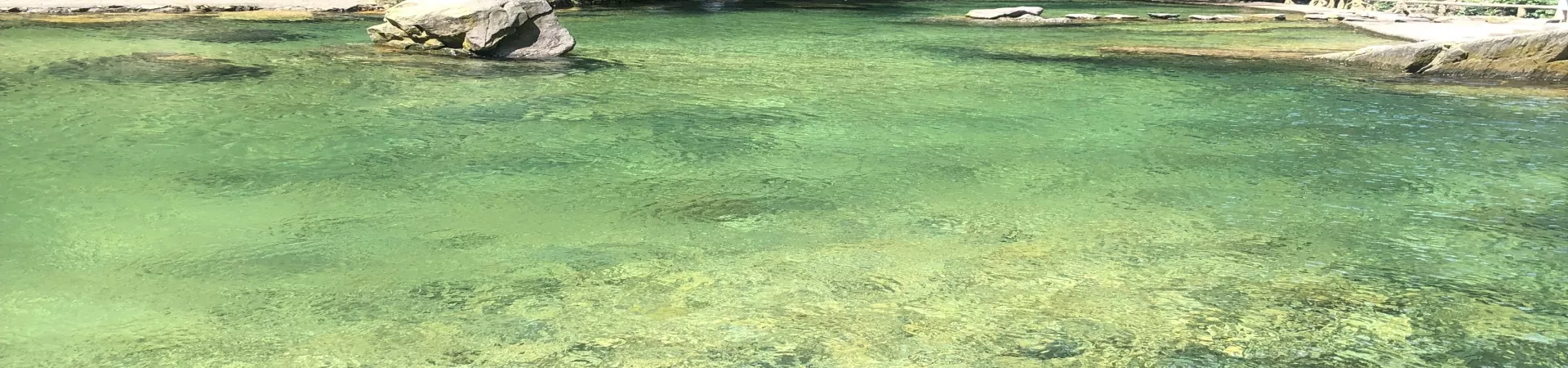
3.2. The Main Cascade and Pool Arriving at the viewing platforms, visitors are greeted by the spectacular sight of the main waterfall. Water plummets from a height of over 40 meters down a sheer rock face, crashing into the jade-green pool below. The force of the fall creates a perpetual, refreshing mist that cools the air and coats the surrounding rocks in a glistening sheen. The pool itself is clear and inviting, though swimming is typically prohibited to preserve the environment and ensure visitor safety. The primary activity here is contemplative observation—watching the endless flow of water, feeling the mist on your skin, and listening to the powerful, rhythmic sound that drowns out all other noise.
3.3. Exploring the Surrounding Area 3.3.1. Viewing Pavilions and Pathways Several traditional Chinese pavilions (ting) are strategically placed around the pool, offering different vantage points for photography and quiet reflection. Stone bridges cross over smaller streams that feed into the main pool, and pathways lead to quieter nooks where one can sit on a rock and enjoy the solitude. Exploring these peripheral areas often reveals intimate views of the waterfall framed by foliage or interesting rock textures shaped by centuries of flowing water.
3.3.2. Connecting to Broader Hikes For the more active visitor, the trails around Feishui Tan connect to longer hiking routes within the Seven Star Crags and the foothills of Dinghu Mountain. These paths can lead to other scenic spots, such as temples, additional smaller waterfalls, and panoramic lookouts over Zhaoqing and the surrounding lakes. Feishui Tan thus serves as both a magnificent destination in itself and a gateway to further exploration of the region's natural treasures.
4. Practical Information for Visitors 4.1. Location and Access Feishui Tan is located within the Seven Star Crags (Qixing Yan) Scenic Area, approximately 4 kilometers north of Zhaoqing's city center in Guangdong Province. The city is well-connected by high-speed rail from Guangzhou (about 1 hour) and Shenzhen. From Zhaoqing's main bus or train stations, local buses or taxis can easily take you to the entrance of the Seven Star Crags park. Admission to Feishui Tan is included in the general entrance ticket for the Seven Star Crags scenic area.
4.2. Opening Hours and Best Time to Visit The opening hours for the Seven Star Crags Scenic Area, which provides access to Feishui Tan, vary seasonally: * Summer and Autumn (June 1st - November 30th): 5:30 AM - 6:30 PM * Winter and Spring (December 1st - May 31st of the following year): 6:00 AM - 6:00 PM It is advisable to confirm these times locally before your visit, as they may be subject to change. The best time to visit is during the rainy season (late spring to early autumn) when the waterfall is at its most powerful and voluminous. However, the site retains its beauty year-round, with the surrounding forest offering vibrant greenery. Early morning visits are recommended to avoid larger crowds and experience the pool in the soft morning light, when the mist often creates beautiful rainbows.
4.3. Tips for a Fulfilling Visit * Footwear: Wear sturdy, comfortable walking shoes with good grip, as the paths can be uneven and may become slippery from the constant mist. * Clothing: The area around the pool is significantly cooler and more humid due to the spray. A light waterproof jacket or windbreaker is useful. * Photography: A lens cloth is essential to keep your camera or phone lens free of water droplets. The dynamic range between the bright waterfall and shaded forest can be challenging; consider using HDR modes. * Respect the Environment: As part of a protected biosphere, it is crucial to follow the principle of "leave no trace." Dispose of all trash properly, stay on designated paths, and avoid disturbing the plant and animal life. * Hydration and Snacks: While there may be small vendors near the park entrance, it's a good idea to carry water and light snacks, especially if you plan on extended hiking.