Zhaoqing Ancient City Wall
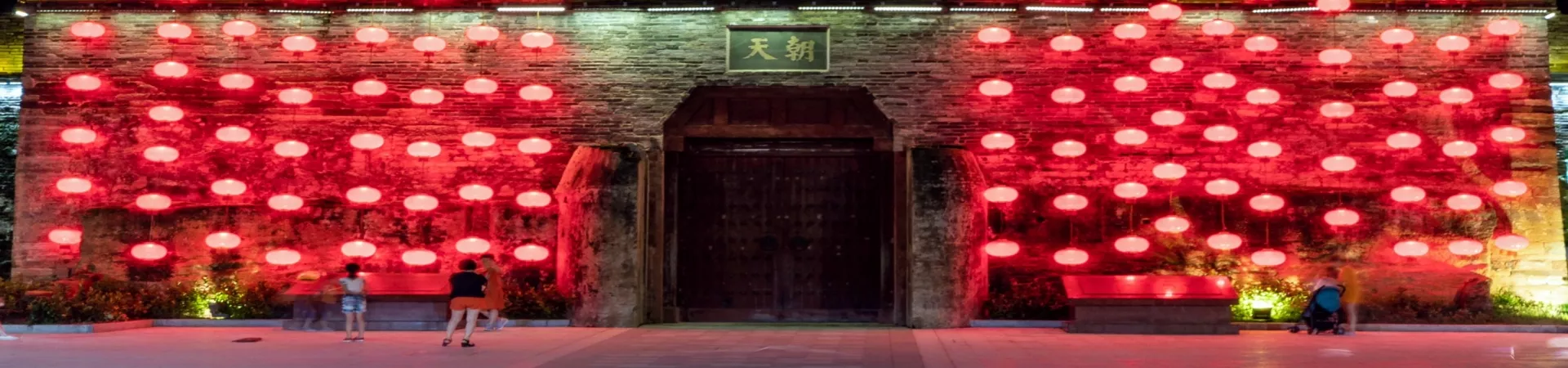
Subtitle: A Walk Through Time on the Ramparts of Zhaoqing
Introduction: The Enduring Sentinel of the Lingnan Region
Nestled in the heart of Zhaoqing, a city renowned for its stunning karst landscapes and serene West Lake, stands a monument of quiet resilience and historical continuity—the Ancient City Wall of Zhaoqing. Unlike the more famous fortifications in northern China, this wall tells a unique story of southern perseverance, having guarded this strategic point in Guangdong province for nearly a millennium. For the modern visitor, a stroll along its 2,800-meter perimeter is not merely a walk on ancient bricks; it is a journey through the Song Dynasty, an exploration of military architecture, and an ascent into the realm of local legend, all offering a profound connection to the enduring spirit of the Lingnan culture.
1. Historical Significance and Architectural Resilience
1.1. A Thousand Years of Stalwart Defense The Zhaoqing Ancient City Wall’s most extraordinary claim is its remarkable state of preservation and historical integrity. Its initial construction dates back to the Northern Song Dynasty, specifically to the year 1113 AD during the Zhenghe reign period. While many ancient Chinese city walls have succumbed to warfare, urban development, or the ravages of time, Zhaoqing’s ramparts have defied the odds. Historical records indicate it has undergone over 20 significant repairs and renovations throughout the Ming and Qing dynasties, each addressing the wear of centuries while faithfully respecting the original blueprint. This careful stewardship has resulted in a rare national treasure: a Song Dynasty city wall where the core structure, layout, and the positions of its gates and towers remain fundamentally unchanged. It stands as one of the best-preserved, most authentic examples of Song-era city wall construction in all of China, providing an invaluable, tangible link to the past.
1.2. Strategic Importance in Southern China The wall’s location was no accident. Zhaoqing (historically known as Duanzhou) was a crucial prefectural seat and a strategic hub for transportation and governance in the region. The wall served as a vital defensive bulwark, protecting the administrative center and its inhabitants. Its enduring presence through successive dynasties underscores its ongoing importance. The very fact that it was maintained rather than dismantled speaks volumes about its perceived value, not just as a fortification but as a symbol of order and stability in the southern frontier of the empire.
2. Exploring the Wall and Its Gates
2.1. The Circuit and Its Perspectives The complete circuit of the wall stretches for approximately 2.8 kilometers. Walking its length offers a fascinating shift in perspective. On one side, you look inward toward the old city, with glimpses of traditional tiled roofs and daily life unfolding in the shadow of history. On the other, the view opens to the modern cityscape of Zhaoqing, with the iconic peaks of Dinghu Mountain often visible in the distance. This juxtaposition creates a powerful dialogue between the ancient and the contemporary. The wall itself, constructed from compacted earth cores faced with large, solid bricks, showcases the pragmatic yet durable building techniques of its time. Visitors can observe the details of the battlements, the drainage systems, and the sturdy foundations that have withstood the test of time and the humid subtropical climate.
3. The Crown Jewel: Piyun Tower
3.1. Ascent into the Clouds No visit to the Zhaoqing City Wall is complete without experiencing its crowning glory: the Piyun Tower (Pi Yun Lou). Situated on the western section of the wall, this imposing wooden tower was constructed in the same year as the wall itself (1113 AD) and has been meticulously preserved and restored.
3.2. The Legend and the View The tower’s name, which translates to "Cloud-Draped Tower" or "Tower Cloaked in Clouds," originates from its lofty position atop the highest point of the fortifications. Historically, it was often shrouded in mist and low-lying clouds, creating an ethereal, poetic sight that inspired scholars and poets for generations. This majestic scene became enshrined as one of the "Eight Ancient Scenic Spots of Duanzhou," specifically known as "Piyun Crane Cries" ("Pi Yun He Lei"), evoking an image of cranes calling from within the misty towers—a symbol of longevity and auspiciousness.
3.3. Architectural and Cultural Hub Today, the multi-eaved Piyun Tower serves as a museum and observation point. Climbing to its upper floors rewards visitors with a panoramic, commanding view of the entire city and its surrounding natural beauty. The tower’s architecture, with its intricate dougong (bracket set) supports and sweeping roofs, is a masterpiece in itself. It functioned not only as a watchtower for military oversight but also as a cultural landmark, a place for literati to gather, compose poetry, and admire the landscape, embodying the perfect fusion of defensive utility and aesthetic aspiration in Chinese architectural tradition.
4. Practical Information for Visitors
4.1. Admission and Opening Hours A significant advantage for travelers is that access to the Zhaoqing Ancient City Wall is completely free of charge, making it an accessible and essential stop for every visitor. The site is open daily from 8:00 AM to 5:30 PM. The last admission is at 5:30 PM, after which the gates are closed. It is advisable to plan your arrival with sufficient time to enjoy a leisurely walk and explore the Piyun Tower without haste.
4.2. Suggested Duration and Best Practices To fully appreciate the scale, history, and views offered by the wall and its tower, a visit of at least three hours is recommended. This allows time to walk a substantial portion of the ramparts, visit the Piyun Tower, read informational plaques, and simply absorb the atmosphere. Comfortable walking shoes are essential. Early morning or late afternoon visits are often ideal, offering softer light for photography and potentially fewer crowds. The wall is a living historical site, so visitors are encouraged to tread respectfully, preserving its stones for centuries to come.