Dinghu
Subtitle: A Visitor's Guide to Dinghu Lake: The Pearl of the Tropic of Cancer
Introduction: The Emerald of Zhaoqing Nestled within the scenic expanse of the Dinghu Mountain area in Zhaoqing, Guangdong Province, lies Dinghu Lake, a breathtaking body of water often celebrated as a "Little Guilin." More than just a picturesque destination, it is renowned as a luminous pearl situated directly on the Tropic of Cancer. This unique positioning contributes to its exceptional environment, characterized by remarkably high concentrations of negative oxygen ions. This pristine air quality establishes Dinghu Lake as an ideal sanctuary for wellness and rejuvenation, offering visitors a profound opportunity to breathe deeply and reconnect with nature in a truly restorative setting.
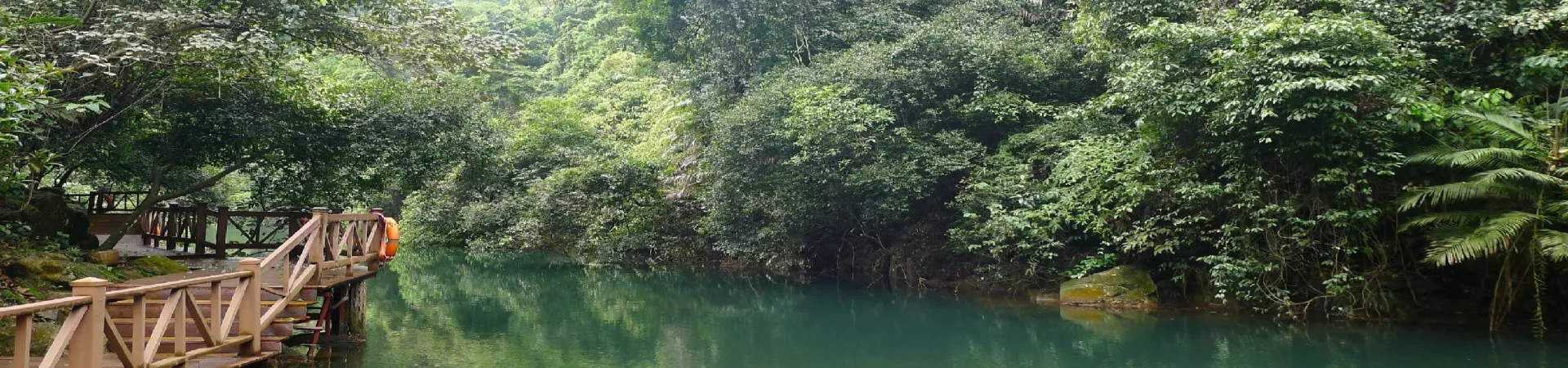
The Enchanting Landscape and Climate A Visual and Sensory Feast The defining feature of Dinghu is its stunning lake. The water presents a mesmerizing palette of emerald green and azure blue, renowned for its exceptional clarity and transparency. Its serene surface, dotted with lush, forested islets and framed by the verdant slopes of Dinghu Mountain, creates a landscape of tranquil beauty that rivals the famous karst scenery of Guilin, hence its affectionate nickname.
A Gentle, Life-Nurturing Climate The Dinghu region enjoys a mild and pleasant South Asian tropical monsoon climate, which plays a significant role in its appeal as a year-round destination. * Temperate Conditions: The annual average temperature is a comfortable 22.3°C (72.1°F). While summer can see highs, with a recorded maximum of 38.7°C (101.7°F), and winter may occasionally dip to a low of -1°C (30.2°F), the area within the mountain forest generally experiences temperatures 2 to 4 degrees Celsius cooler than the surrounding plains, providing a natural respite from the heat. * Ample Rainfall and Sunshine: The area benefits from abundant rainfall, with an annual average of approximately 1,737.3 mm, ensuring the landscape remains perpetually lush and vibrant. It also receives plentiful sunshine, averaging 1,658.2 hours per year, with an annual accumulated temperature of around 7,940.7°C. * Favorable Winds: The prevailing wind direction is from the northeast, and the region is largely sheltered from the severe impacts of tropical cyclones (typhoons), contributing to its stable and visitor-friendly weather patterns.
Essential Visitor Information Planning Your Journey To fully appreciate the serenity of the lake, the surrounding forest trails, and the famous Qingyun Temple and Flying Water Pool, visitors should allocate a minimum of 3 hours. A more leisurely exploration to soak in the atmosphere and enjoy hiking could easily extend to a half or full day.
Operating Hours and Admission * Opening Hours: The operating hours vary slightly by season to maximize daylight and safety. * Summer Schedule (approx. May-October): 5:30 AM – 6:30 PM * Winter Schedule (approx. November-April): 6:00 AM – 6:00 PM * Admission Fees: For the most current and detailed information regarding ticket prices, including potential discounts for students, seniors, or group bookings, it is highly recommended to contact the scenic area directly prior to your visit.
Getting to Dinghu Lake Accessing Dinghu Lake is convenient via public transportation, primarily through two key stations: * Dinghu Mountain Station: Located at the end of Guanyan Avenue in Shuikeng Town, near Shun Jing Road. This station is served by local bus routes including Dinghu Bus No. 9, Zhaoqing Bus No. 205, and K02. * Dinghu East Station: Situated close to the Zhaoqing East Railway Station. This station is also accessible via Bus No. 205 and the K02 route.
Contact Details For any inquiries, assistance, or to confirm details before your trip, you can reach the scenic area at: * Telephone: +86 758 2621116 or +86 758 2621332
Experiencing Dinghu: Beyond the Lake A Sanctuary for Wellness The high concentration of negative ions in the air is not merely a statistic; it is a tangible experience. A walk along the forest paths surrounding the lake is an immersive therapy session. Visitors often report feeling a sense of calm, increased energy, and mental clarity, making it a perfect escape from urban pollution and stress.
Ecological and Cultural Richness The area is part of the larger Dinghu Mountain National Nature Reserve, a UNESCO Biosphere Reserve. This status underscores its global ecological significance, protecting a rich diversity of subtropical evergreen broad-leaved forest flora and fauna. Culturally, the site is home to historical treasures like the Qingyun Temple and the renowned Flying Water Pool (Feishui Tan), where visitors can witness stunning cascades and explore centuries-old religious heritage seamlessly integrated into the natural landscape.
Practical Considerations for Visitors * Footwear and Attire: Comfortable walking or hiking shoes are essential for exploring the trails and stone steps around the lake and leading to various sights. Light, breathable clothing is advisable in summer, with a light jacket recommended for cooler mornings or evenings, especially in the forested areas. * Hydration and Snacks: While there may be small vendors, carrying water and light snacks is recommended for longer explorations. * Photography: The interplay of light on the lake, the mist in the mountains, and the vibrant greenery offers exceptional photography opportunities, particularly in the early morning or late afternoon.