Suixi Confucius Culture City
Subtitle: A Journey Through Time: Exploring Suixi Confucius Cultural City
Introduction: Where History Meets Harmony
Nestled on the southern bank of the Xixi River in Zhanjiang, Guangdong, the Suixi Confucius Cultural City stands as a majestic and serene testament to China's enduring scholarly traditions. More than just a single temple, it is an expansive cultural complex that seamlessly blends monumental historical architecture with tranquil, ecological beauty. Originally established as an "Xuegong" (Confucian School) during the Southern Song Dynasty, the site has been meticulously maintained and expanded through successive dynasties, evolving into the significant cultural landmark it is today. A visit here is not merely a sightseeing trip but an immersive experience into the world of ancient Chinese philosophy, architecture, and natural aesthetics, offering a profound sense of peace and intellectual reflection.
1. Architectural Grandeur and Historical Legacy
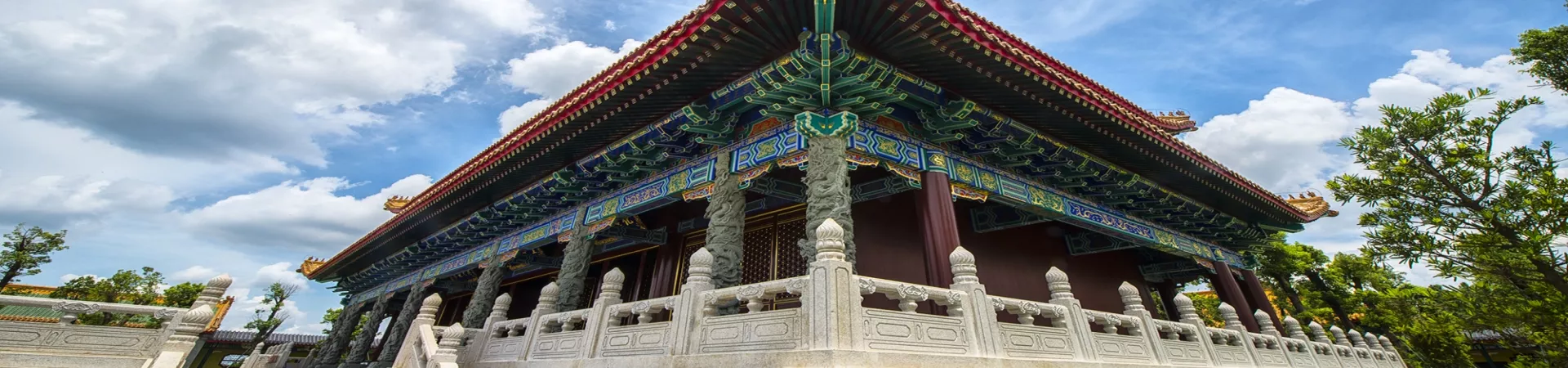
1.1. A Legacy Carved in Stone and Wood The core of the cultural city is the magnificent Suixi Confucius Temple, the focal point of reverence and architectural splendor. The entire complex is designed in the distinctive architectural style of the Spring and Autumn and Warring States periods, an era that shaped Confucius's own life and teachings. This deliberate choice transports visitors back to the very time when Confucian thought was crystallizing. The structures feature sweeping, upward-curving roofs adorned with intricate carvings, heavy wooden beams, and stately columns, all radiating an aura of ancient dignity and grace. The layout follows traditional Confucian temple design principles, emphasizing symmetry, order, and hierarchical space, which reflect the philosophical ideals of harmony and propriety.
1.2. The Sacred Icon: A Link to Qufu A particularly captivating legend adds a layer of sacred significance to the temple. It is said that the head of the principal statue of Confucius enshrined within was not crafted locally. According to tradition, it was sculpted in Qufu, Shandong—the birthplace of Confucius—under an imperial decree and then specially delivered to Suixi. This symbolic connection physically and spiritually links this southern Chinese temple to the very heart of Confucianism, elevating its status and embodying the nationwide reverence for the Great Sage.
2. The Visitor Experience: Immersion and Exploration
2.1. Navigating the Cultural City Allocating 1 to 3 hours for a visit is recommended to fully appreciate the scope of the cultural city. This allows sufficient time to wander through the grand temple courtyards, examine the detailed architectural features, and absorb the scholarly atmosphere. The spacious grounds encourage a leisurely pace, inviting contemplation amidst the historical setting.
2.2. Practical Information for Your Visit * Admission: For the most current information on ticketing and any potential fees, it is advisable to consult the scenic area directly prior to your visit, as policies may be subject to change. * Operating Hours: The Suixi Confucius Cultural City offers remarkable accessibility for visitors. It is open all day, every day of the year (Monday through Sunday, from January 1st to December 31st). This "open all day" policy provides exceptional flexibility, allowing for visits in the soft morning light, during the bright afternoon, or even for a peaceful evening stroll when the structures are beautifully illuminated.
3. The Natural and Philosophical Harmony
3.1. An Ecological Sanctuary Beyond the impressive man-made structures, the cultural city is celebrated for its ecological beauty. The integration with the Xixi River environment creates a landscape of lush greenery, reflective ponds, and carefully curated gardens. This harmonious blend of architecture and nature is a fundamental expression of the Confucian ideal of unity between humanity and the heavens. The serene pathways, shaded groves, and the gentle flow of the river provide a calming counterpoint to the architectural grandeur, making the complex a perfect place for quiet reflection and escape from urban bustle.
3.2. A Living Cultural Space While deeply historical, the site functions as a living cultural center. It serves as a venue for ceremonies, educational activities, and cultural festivals, particularly those related to Confucius's birthday and traditional Chinese studies. This ongoing role ensures that the complex is not a static museum piece but a vibrant part of the community's cultural life, keeping ancient traditions relevant in the modern world.
4. Deeper Significance and Lasting Impression
4.1. More Than a Monument The Suixi Confucius Cultural City ultimately represents the deep-rooted value placed on education, ethical conduct, and respect for tradition in Chinese culture. Walking through its gates, one walks in the footsteps of countless scholars and students who, for centuries, came to pay homage to the teacher who shaped a civilization. The air seems to carry a whisper of ancient discourses on benevolence, righteousness, and wisdom.
4.2. An Enduring Encounter A visit here leaves a lasting impression of tranquility and grandeur. It is a place where the philosophical quest for a harmonious life is given physical form in wood, stone, and landscape. Whether one is a student of history, an architecture enthusiast, a seeker of tranquility, or simply a curious traveler, the Suixi Confucius Cultural City offers a uniquely enriching and contemplative journey into the heart of China's intellectual heritage.