French Minister Department Site in Guangzhou Bay
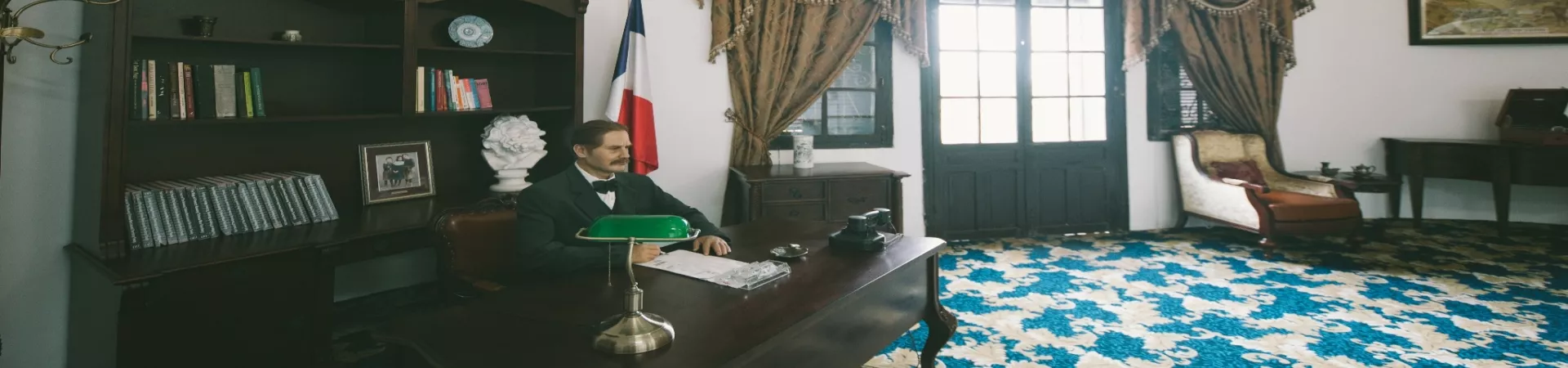
Subtitle: A Journey Through Time: Exploring the Former French Legation of Guangzhouwan in Zhanjiang
Introduction: A Colonial Relic on the South China Coast
Nestled in the heart of Zhanjiang’s Xiashan District, the Former French Legation of Guangzhouwan stands as a silent yet eloquent testament to a complex chapter in the city's history. More than just an architecturally distinctive building, it is a physical portal to the early 20th century, when this region was known as the French leased territory of Guangzhouwan. For modern visitors, a trip here is not merely a sightseeing stop but an immersive experience into the colonial past that shaped Zhanjiang’s urban and cultural landscape. Its proximity to the vibrant Times Square further creates a striking contrast between the city's historical roots and its contemporary dynamism, making a combined visit highly rewarding.
Architectural Grandeur: A Study in French Colonial Design
1. Overall Structure and Facade Constructed in 1903, the three-story edifice was strategically positioned to face the waters of Guangzhouwan (now Zhanjiang Port). The building’s design is a quintessential example of French colonial architecture adapted to the subtropical climate of South China. Its most striking external feature is the grand, curved stone staircase that ascends directly to the second floor, bypassing the ground-level basement. This imposing entrance immediately establishes the authority and prestige the structure was intended to project.
2. Signature Features and Aesthetic Details The second and third floors are graced with elegant, wraparound verandas enclosed by ornate European-style balustrades. These airy galleries, designed to catch the sea breeze, served both practical and aesthetic purposes, offering shaded outdoor space and contributing to the building's graceful silhouette. Crowned atop the structure is a stately clock tower, a common feature in colonial administrative buildings, symbolizing order and the imposition of a new temporal regime on the landscape.
3. Interior Layout and Ambiance Inside, the legation is characterized by spacious, well-proportioned rooms flooded with natural light, a deliberate design choice to counteract the local humidity. Classic French architectural elements define the interior decor, including functional fireplaces—somewhat aspirational for the local climate but essential for formal European design—and elaborately crafted decorative door and window frames. The interplay of light and shadow across the high ceilings and through the long verandas creates an atmosphere that feels both formal and quietly contemplative today.
Historical Significance: Seat of Power and a Symbol of an Era
1. The Heart of Colonial Administration From its completion until the end of the French leasehold in 1945, this building functioned as the supreme administrative organ of the Guangzhouwan territory. Here, French officials governed, legislated, and managed all affairs of the leased enclave. Every policy, decree, and administrative decision that affected the local population for over four decades emanated from these very halls. It was, in every sense, the nerve center of colonial power.
2. Witness to a Century of Change Following the retrocession of Guangzhouwan, the building transitioned through various uses, silently observing Zhanjiang's tumultuous and transformative journey through the 20th and into the 21st century. It has witnessed war, reintegration, development, and modernization. Now preserved as a historical site, it no longer dictates law but instead narrates history. It stands as Zhanjiang's most tangible link to its "Guangzhouwan" period, educating visitors about the city's multifaceted past and the enduring impact of that era on its urban fabric, architectural heritage, and even culinary influences.
Practical Visitor Information
1. Location and Accessibility The site is conveniently located near Times Square, a central modern commercial hub in Xiashan District. This allows visitors to easily combine historical exploration with shopping, dining, and experiencing the pulse of contemporary Zhanjiang. * Transportation: Visitors can take public bus routes 1, 9, 21, or 14 and alight at the Xiashan Fen Station (Xiashan Branch Stop). The legation is within a short and pleasant walking distance from the bus stop.
2. Admission and Opening Hours * Admission Fee: Entrance to the site is free of charge, making it an accessible cultural attraction for all travelers. * Opening Hours: The legation is open from 9:00 AM to 4:30 PM, Tuesday through Sunday, with last entry at 4:30 PM. It is also open on Mondays. Visitors are advised to check for any temporary closures or special notices before their visit.
3. Suggested Visit Duration A thorough exploration of the building's architecture, historical exhibits (if any are on display), and its grounds typically requires 1 to 3 hours. This allows sufficient time to appreciate the architectural details, reflect on its history, and capture photographs of its distinctive features.
Conclusion: An Essential Historical Anchor A visit to the Former French Legation of Guangzhouwan is indispensable for anyone seeking to understand Zhanjiang beyond its surface. It provides crucial context, transforming the city from a mere dot on the map into a place with a layered and resonant narrative. Walking its verandas and rooms offers a palpable connection to the past, making it a profoundly more insightful experience than viewing it from afar.