Tianzi Mountain
Subtitle: A Realm of Peaks and Legends: Your Essential Guide to Tianzi Mountain
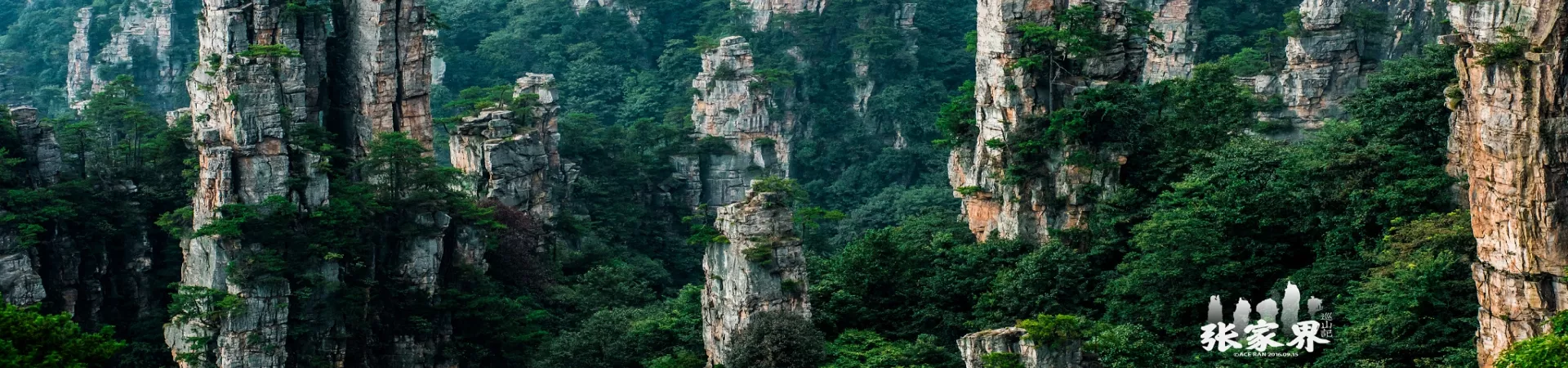
1. Introduction: The Crown Jewel of Zhangjiajie Nestled in the northern part of the Zhangjiajie National Forest Park, bordering the Suoxiyu Valley to the east, lies Tianzi Mountain, a realm of awe-inspiring natural sculpture and profound cultural resonance. This majestic landscape, forming the scenic core of the Wulingyuan region, is far more than a collection of stunning quartz-sandstone pillars; it is a testament to Earth's geological drama and a place steeped in the legacy of local heroism. Its name, translating to "Son of Heaven Mountain," pays homage to Xiang Dakun, a revered Tujia ethnic group leader during the early Ming Dynasty who boldly declared himself "King Xiang the Son of Heaven" and, according to legend, used these formidable peaks as his stronghold. A visit here is a journey through time, offering panoramic vistas of towering stone forests that evoke a sense of ancient, mythical power.
2. A Landscape Forged Through Aeons 2.1. Geological Origins: From Ancient Sea to Stone Forest The breathtaking panorama visible today tells a story hundreds of millions of years in the making. During the Devonian period, the area was submerged under a vast, shallow sea, where thick layers of quartz sandstone sediment accumulated on the seabed. Powerful tectonic forces later uplifted this landmass, and the relentless work of wind, water, and frost over countless millennia eroded the rock, carving it into the dense forest of over 3,000 soaring pillars, deep ravines, and precarious overhangs that define Tianzi Mountain. This slow-motion artistry of nature created some of the park's most iconic and surreal formations.
2.2. Iconic Formations and the "Four Great Spectacles" Among the countless pinnacles, the Yubi Feng (Imperial Brushes Peak) stands out as the quintessential symbol of Tianzi Mountain. This cluster of slender, pointed peaks rising abruptly from a deep ravine resembles a set of colossal brushes placed in a stone holder, as if awaiting the hand of a celestial calligrapher. Another celebrated formation, the Xiannü Sanhua (Fairy Presenting Flowers), resembles a graceful figure holding a basket. The mountain's beauty is dramatically amplified by its famous "Four Great Spectacles." Clouds and Mist often swirl through the peaks, transforming the stone forest into a mystical archipelago floating on a white sea. On clear Moonlit Nights, the silhouetted pillars create a stark, monochromatic landscape of profound tranquility. At Sunrise and Sunset, the sandstone faces ignite in brilliant hues of gold and crimson. In winter, a dusting of Snow contrasts magically with the dark rock, painting a serene and pristine picture.
3. Practical Visitor Information 3.1. Location and Access Tianzi Mountain is an integral part of the Zhangjiajie National Forest Park in Hunan Province. While it is geographically closest to the Tianzi Mountain Ticket Station (one of the park's five main entrances), many visitors opt for a classic hiking route that provides a gradual ascent and diverse views. A popular itinerary begins at the Zhangjiajie National Forest Park Ticket Station (the closest main gate to downtown Zhangjiajie), proceeds through highlights like the Golden Whip Stream, and then takes a cable car or hikes up to the summit area of Tianzi Mountain. The descent is often made via the Bailong Elevator (Heavenly Pillar elevator) or on foot, exiting at the Wulingyuan (Zhangjiajie) Ticket Station. This route effectively traverses the park's most celebrated scenery.
3.2. Transportation * To Zhangjiajie City: The city is accessible by flight (to Hehua Airport), by high-speed train, or by long-distance bus. * To the Park Entrance: From the Zhangjiajie Central Bus Station (adjacent to the railway station), frequent shuttle buses depart for the Zhangjiajie National Forest Park Ticket Station. The journey covers approximately 30 kilometers and takes about 40 minutes. Buses are also available to the Wulingyuan Ticket Station. * Within the Park: An extensive and free shuttle bus system operates on the mountain summit (Yuanjiajie, Tianzi Mountain area) and at the base (connecting major entrances to trailheads and cable car stations). The Tianzi Mountain Cable Car provides a breathtaking aerial ascent to the summit area, while the Bailong Elevator offers a vertical descent/climb on the Yuanjiajie side.
3.3. Tickets and Opening Hours * Admission: Access to Tianzi Mountain is included in the standard Zhangjiajie National Forest Park entrance ticket. There is no separate fee for the mountain itself. The park ticket is valid for four consecutive days and covers entry to all core scenic areas, including the free use of internal shuttle buses. * Operating Hours: * Peak Season (March - November): Generally 07:00 - 18:00, with last entry typically around 17:00. Specific hours for cable cars and elevators may vary slightly. * Off-Peak Season (December - February): Generally 08:00 - 17:30, with last entry around 16:30. * It is highly advisable to check the latest official schedules before your visit, as times can change seasonally and due to weather conditions.
4. Planning Your Visit 4.1. Suggested Duration and Itinerary A comprehensive exploration of the Tianzi Mountain summit area, including viewpoints like Helong Park, Yubi Feng, and Xiannü Sanhua, requires a minimum of 3 to 4 hours. This allows time for walking between sights, photography, and using the summit shuttle buses. When combined with travel to/from the mountain via cable car and exploration of connecting areas like Yuanjiajie, a full day should be allocated. For a thorough experience of Zhangjiajie's core highlights linked to Tianzi Mountain, a 2 to 3-day itinerary within the national park is recommended.
4.2. Hiking and Viewpoints The summit area is served by paved walking paths and shuttle buses, making the major viewpoints accessible. Key lookout points include: * Yubi Feng Observation Deck: The premier spot for photographing the iconic Imperial Brushes Peaks, especially stunning at sunrise or when clouds fill the valley below. * Helong Park: A central area on the summit with several viewing platforms offering sweeping, 180-degree vistas of the pillar landscape. * Shenbing Gathering: A viewpoint showcasing a massive, concentrated assembly of stone pillars resembling an army of stone soldiers.
4.3. Essential Tips for Travelers * Footwear and Clothing: Sturdy, comfortable walking shoes with good grip are non-negotiable. Weather on the mountain can change rapidly; layered clothing, a rain jacket, and sun protection are advisable. * Weather Considerations: Cloudy or misty conditions can obscure views but also create the famous "sea of clouds" effect. Patience can be rewarding. Clear days are best for long-distance panoramas. * Crowds: Tianzi Mountain is extremely popular. Aim to arrive early in the morning to avoid the largest crowds at key viewpoints and cable car stations, especially during Chinese national holidays and summer vacation. * Accommodation: Options range from hotels in Zhangjiajie City or Wulingyuan Town (near the park entrances) to simpler guesthouses within the park itself (e.g., in Yangjiajie or Tianzi Mountain village), which allow for very early sunrise viewing. * Navigation: While signage is present, carrying a detailed park map or using a reliable offline map app is helpful for navigating the extensive trail and shuttle bus network.