Huangshi Village
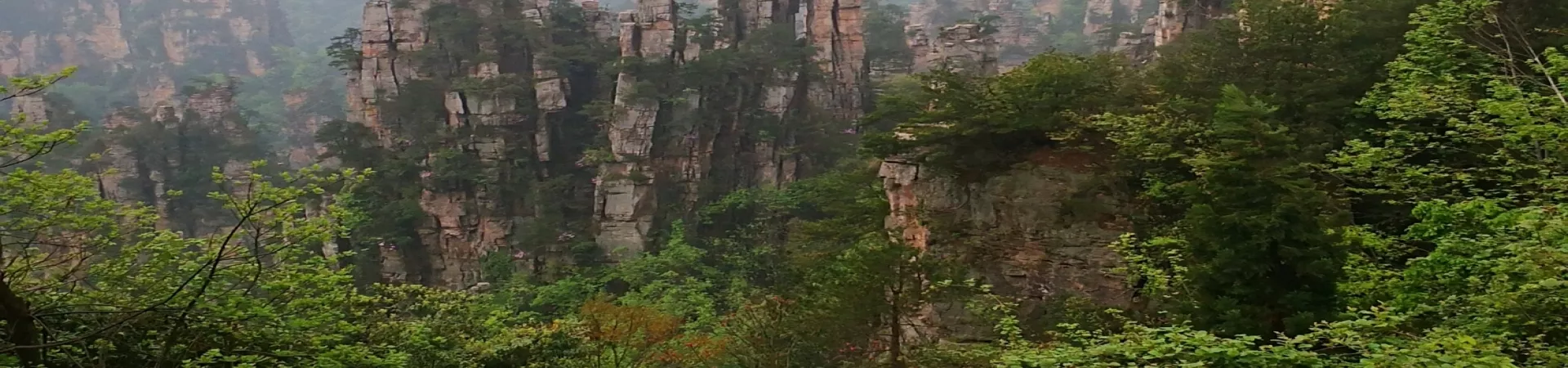
Subtitle: The Crown Jewel of Zhangjiajie National Forest Park: A Comprehensive Guide to Huangshi Village
Introduction Nestled in the heart of the Zhangjiajie National Forest Park in Hunan Province, China, Huangshi Village, also historically known as Huangshi Stronghold or Huangshi Zhai, stands as one of the most iconic and breathtaking panoramic viewpoints in a region famed for its surreal landscapes. This majestic mesa, rising to an elevation of 1,080 meters (3,543 feet), is more than just a scenic spot; it is a geological marvel and a cultural landmark steeped in legend. It is said that the site derives its name from Huang Shigong, a revered hermit and strategist from the early Han Dynasty who was the teacher of the famous statesman Zhang Liang and was believed to have practiced alchemy here. The village offers a quintessential Zhangjiajie experience, combining awe-inspiring natural beauty with accessible exploration.
The Geological Grandeur of Huangshi Village Formation and Structure Huangshi Village is a colossal platform mountain composed primarily of quartz sandstone, a formation dating back hundreds of millions of years. Its structure is a testament to the prolonged geological processes of uplift, erosion, and weathering that have shaped the entire Wulingyuan region. The summit is notably broad and relatively flat, forming a natural observatory that contrasts dramatically with its sheer, forested cliffs that drop precipitously on all sides.
A Landscape of Global Resonance The visual impact of Huangshi Village is profound. It presents a magnificent concentration of towering sandstone pillars and peaks, often shrouded in ethereal mist. This spectacle possesses the distinctive characteristics of Danxia landforms yet also evokes a striking resemblance to the grand mesa-and-butte scenery of the Colorado Plateau in the United States. Adding to its unique charm are the hardy, windswept Wuling pines (Pinus massoniana) that tenaciously cling to the cliffs and adorn the summit. These resilient trees, with their gnarled trunks and umbrella-shaped canopies, provide a vibrant splash of emerald green against the reddish-gold stone, completing a picture of博大 (vastness), 瑰丽 (splendor), and 浑厚 (majestic solidity).
Exploring the Summit: A Panoramic Paradise The Ultimate Viewing Platform The primary allure of Huangshi Village is its status as the largest aerial viewing platform in Zhangjiajie. The expansive summit area allows visitors to walk along its edges and absorb a 360-degree panorama of the park's most famous pinnacles and forests. It is widely regarded as the精华 (essence) of the Zhangjiajie National Forest Park scenic area.
Iconic Viewpoints and Named Formations From this vantage point, numerous legendary rock formations come into view, each with a name inspired by its shape or associated folklore. Key vistas include: * 闺门初开 (The Boudoir Door Beginning to Open): A scenic gateway of towering peaks. * 天书宝匣 (The Heavenly Book and Precious Casket): A rock formation resembling a giant book and a box. * 定山神针 (The Mountain-Steadying Divine Needle): A tall, slender pillar that appears to stabilize the surrounding mountains. * 黑枞脑 (Black Fir Top): A secluded, ancient forest area on a distant peak. * 南天一柱 (The Southern Sky Pillar): A solitary, towering column that pierces the sky (famously used as inspiration for the "Hallelujah Mountains" in the film Avatar).
Man-Made Vantage Points To enhance the experience, several structures have been built on the summit: * 六奇阁 (Liuqi Pavilion or the Six Wonders Pavilion): This multi-story observation tower is named for the six wonders of Zhangjiajie: majestic mountains, unique rocks, serene waters, deep ravines, dense forests, and mysterious clouds. Climbing the pavilion offers even higher, unobstructed views. * 摘星台 (Star-Platform): Located to the left front of the Six Wonders Pavilion, this platform juts out courageously from the cliff face. Standing here, especially on a clear night, gives one the sensation of being able to "pluck the stars from the sky," hence its poetic name.
Practical Visitor Information Access and Transportation There are three primary ways to reach the summit of Huangshi Village: 1. Huangshi Village Cable Car (Recommended for efficiency): The most popular method, this cable car ride offers stunning aerial views of the pillar forest during the approximately 10-minute ascent or descent. 2. Hiking Trails: For the adventurous, well-maintained stone-step footpaths lead up the mountain from both the north and south sides. The hike is strenuous but rewarding, taking several hours and providing intimate encounters with the forest and geology. Many visitors opt for a one-way cable car ride combined with a hike the other way to experience both perspectives.
Ticket Information (Prices subject to change, verify before visit) * Huangshi Village Cable Car: * Round Trip: Adult: 118 RMB; Child/Senior/Student/Military/Disabled: 59 RMB. * One Way: Adult: 65 RMB; Child/Senior/Student/Military/Disabled: 33 RMB. * Note: Access to Huangshi Village itself is included within the main Wulingyuan Scenic Area Entrance Ticket (valid for 4 days), which must be purchased separately. The cable car ticket is an additional cost.
Visiting Details * Suggested Duration: A minimum of 3 hours is recommended to fully appreciate the summit views, walk the trails, and visit the pavilions. Allocate more time if planning to hike one or both ways. * Operating Hours: Typically 07:00 - 17:30 daily, with last entry at 17:00. Hours may vary seasonally. * Contact Information: For the latest information, you may contact the park administration at 0744-5712548 or 0744-5712330.
Final Tips for Your Visit * Visit early in the morning to avoid the largest crowds and to have the best chance of experiencing the magical sea of clouds that often envelops the peaks. * Wear sturdy, comfortable walking shoes with good grip, as the paths can be steep and slippery, especially after rain. * Bring water, snacks, and weather-appropriate clothing. Conditions at the summit can be significantly cooler and windier than at the base. * Be prepared for changing weather; mist and rain can roll in quickly, but they also create the park's characteristic mystical atmosphere.