Yuxi Tonghai Xiushan Historical and Cultural Park
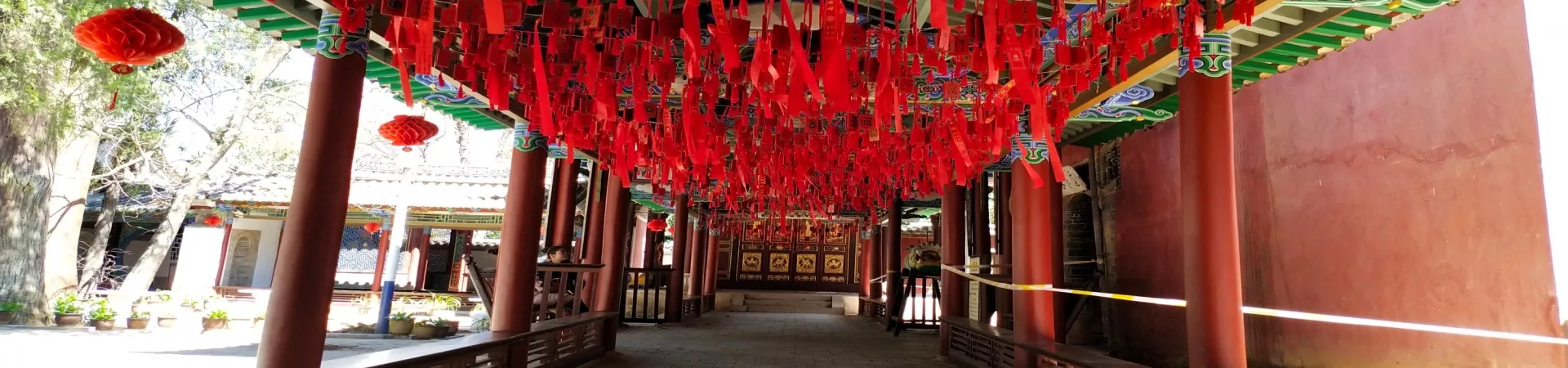
Subtitle: A Journey Through Time and Tranquility in Yuxi's Ancient Mountain Park
1. Introduction to Xiushan Park Nestled in the heart of Tonghai County, Yuxi City, Yunnan Province, Xiushan Historical and Cultural Park stands as a crown jewel of the region's scenic and heritage sites. More than just a park, it is a living museum where nature's serenity seamlessly intertwines with centuries of literary and architectural artistry. Often described as a "mountain of inscribed boards and a sea of couplets," Xiushan offers visitors a unique opportunity to escape the bustle of modern life and immerse themselves in an environment that has inspired poets, scholars, and pilgrims for generations. Its slopes, dense with lush, ancient forestry, house a remarkable collection of historical buildings, stone steles, and revered ancient trees, creating a landscape that is as intellectually stimulating as it is visually breathtaking.
2. The Cultural and Natural Treasures of the Mountain 2.1. The Architectural and Literary Heritage The soul of Xiushan is embodied in its profound cultural legacy, most visibly displayed in its ancient architectural complexes. These structures, primarily from the Ming and Qing dynasties, are not merely old buildings but canvases for a spectacular array of calligraphic art. The park is famously known as "Bianshan Lianhai" (Mountain of Inscribed Boards and Sea of Couplets) and a "Forest of Steles." Hundreds of finely crafted wooden plaques (bian) and poetic couplets (lian), engraved with verses and inscriptions by historical luminaries, adorn the temples, pavilions, and gateways. Additionally, numerous stone tablets (bei) are scattered throughout the grounds, recording local history, poems, and philosophical thoughts. This dense concentration of written art transforms a stroll through the park into a walk through a vast, open-air library of classical Chinese culture.
2.2. The "Three Unique Wonders" of Ancient Flora Complementing its man-made wonders are the park's living antiquities: the celebrated "Three Unique Wonders." These are three exceptionally rare and ancient trees, each representing a different dynasty and revered for their longevity and symbolic significance. * The Song Dynasty Cypress: This towering, gnarled cypress is a living witness from the Song Dynasty (960-1279 AD). Its resilient presence through the centuries serves as a powerful symbol of endurance and vitality. * The Yuan Dynasty Fir: Dating back to the Yuan Dynasty (1271-1368 AD), this majestic fir tree adds to the park's aura of timelessness with its stately form and evergreen foliage. * The Ming Dynasty Magnolia: A magnificent magnolia tree from the Ming Dynasty (1368-1644 AD) is especially captivating during its blooming season. Its beautiful, fragrant flowers represent purity and nobility, offering a stunning seasonal spectacle against the backdrop of historical architecture.
2.3. The Panoramic Vista The journey to the mountain's summit is rewarded with one of the most spectacular views in the region. From the top, visitors are treated to a breathtaking panoramic vista that encompasses the sparkling expanse of Qilu Lake, the orderly layout of historic Tonghai county town, and the vast, fertile agricultural plain (the "bazi") that surrounds it. This sweeping perspective beautifully illustrates the harmonious relationship between the local communities, their land, and the natural environment, a core theme in traditional Chinese geography and philosophy.
3. Practical Visitor Information 3.1. Opening Hours and Admission * Opening Hours: The park's operating hours vary seasonally. From June 1st to August 31st, it is open from 08:00 to 19:00. During the winter period, from December 1st to February 28th of the following year, hours are from 08:00 to 18:00. It is advisable to plan your visit to allow ample time to explore before closing. * Admission Fee: The entrance ticket is priced at 50 RMB per person. This fee contributes to the preservation and maintenance of this invaluable historical site.
3.2. Transportation and Access The most straightforward route from Kunming, the provincial capital, involves taking a long-distance bus bound for Tonghai County from the Kunming South Bus Station. Upon arrival in Tonghai town, the park is conveniently accessible on foot. Visitors can simply walk along South Street (Nan Jie), which leads directly to the entrance of Xiushan Park, making the final leg of the journey a pleasant prelude to the visit.
3.3. Suggested Duration and Experience A comprehensive visit to Xiushan Park typically requires 1 to 3 hours. This allows sufficient time to appreciate the major temples, seek out the famous couplets and steles, pay respects to the ancient "Three Wonders," and enjoy the panoramic view from the summit. The park takes on a special atmosphere during traditional Chinese festivals, when it becomes a vibrant center for local cultural and religious activities. During these times, you may encounter many visitors engaging in prayers and blessings, adding a dynamic, living cultural dimension to the historical ambiance.