Qianjiadong Dabo Waterfall
Subtitle: A Journey to the Heart of Yao Culture and Untamed Natural Beauty
1. Introduction to Dabaoshui Waterfall and Qianjiadong Nestled within the Qianjiadong Yao Ethnic Township, approximately 11 kilometers north of Jiangyong County, lies the breathtaking Dabaoshui Waterfall Scenic Area. This destination holds a dual, profound significance. Recognized as a Provincial-Level Scenic Area in 1998, it is a masterpiece of nature's artistry. More importantly, it stands as a sacred spiritual homeland, revered by the Yao people worldwide as their ancient capital and a pivotal site for tracing their roots and ancestral heritage. The area encompasses the legendary Qianjiadong, a mystical land composed of three interconnected basins—Upper, Middle, and Lower Dong—spanning a vast 200 square kilometers. It presents a majestic landscape where profound cultural history intertwines seamlessly with dramatic, unspoiled wilderness.
2. The Enchanting Landscape of Qianjiadong The topography of Qianjiadong is one of awe-inspiring seclusion and beauty. The entire basin is encircled by towering mountains and high ridges, with an average elevation exceeding 1,000 meters. This natural fortress is blanketed by over 8,000 hectares of pristine secondary forest, creating a rich, vibrant ecosystem. For centuries, access to this hidden world was limited to a single, narrow passage known as "Chuan'an" (Piercing Cliff), which amplified its aura as a lost paradise. The interior landscape is a diverse tapestry of natural wonders, succinctly described by locals as featuring serene mountains, deep ancient forests, mysterious caves, stunning waterfalls, and soothing hot springs. This harmonious combination crafts an atmosphere of profound tranquility and raw natural power.
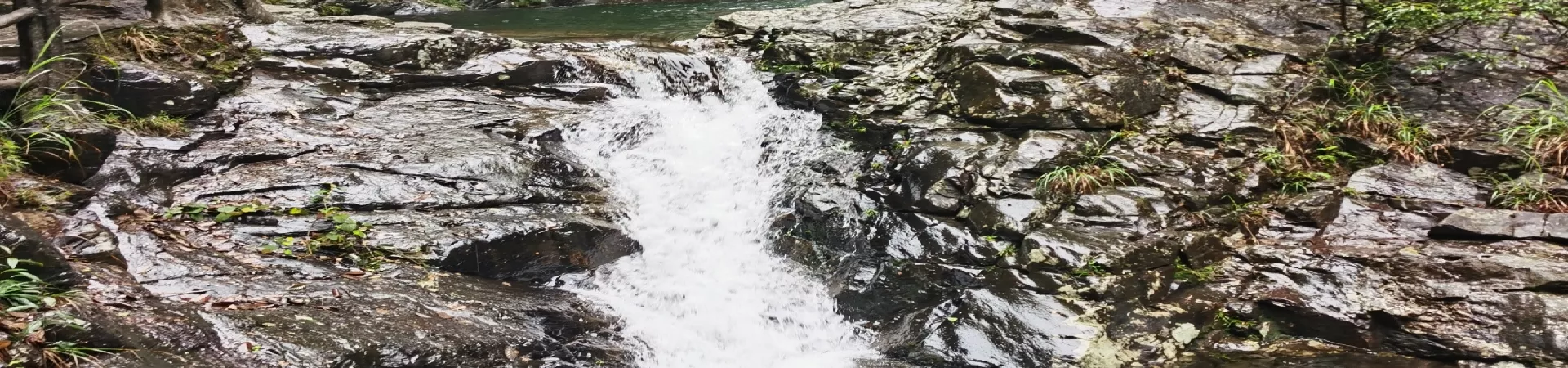
2.1. The Crown Jewel: Dabaoshui Waterfall While the region boasts multiple attractions, the Dabaoshui Waterfall itself is undoubtedly the scenic crown jewel. The waterfall cascades with immense power and grace, its waters plunging into a clear, mist-filled pool below. The thunderous sound of the fall reverberates through the valley, while the constant spray nourishes a lush, green microenvironment of ferns and moss-covered rocks. The sight is particularly magnificent after seasonal rains when the water volume increases, transforming the cascade into an even more powerful and mesmerizing spectacle. The journey to the waterfall, often along shaded paths following the stream, builds anticipation, making the final reveal all the more rewarding.
3. The Living Cultural Heart: Home of the Yao People Beyond its physical beauty, the soul of Qianjiadong is its deep-rooted Yao culture. Recognized globally as the legendary "Ancient Capital of the Yao," this area is believed to be the original settlement from which Yao communities migrated throughout China and Southeast Asia. It is a living museum and an active cultural center.
3.1. A Sacred Site for Pilgrimage For the Yao diaspora, a visit to Qianjiadong is a profound pilgrimage. It represents a return to their mythological and historical origins, a place vividly recounted in their epic songs and oral traditions. The landscape itself is imbued with spiritual meaning, connecting visitors to the stories, struggles, and triumphs of their ancestors. This deep spiritual resonance makes it far more than a tourist spot; it is a place of memory, identity, and reverence.
3.2. Experiencing Yao Traditions The local Yao communities maintain vibrant traditions. Visitors may have the opportunity to witness or participate in aspects of their rich cultural heritage, which can include: * Colorful Traditional Dress: Admire the intricate embroidery and distinctive silver ornaments worn by Yao women. * Folk Songs and Dances: Experience the rhythmic and melodic expressions that tell stories of history, love, and daily life. * Unique Architecture: See traditional wooden stilted houses adapted to the mountainous terrain. * Local Crafts: Encounter handicrafts such as weaving, batik, and silverwork that have been passed down through generations.
4. Practical Visitor Information To facilitate a smooth and enjoyable visit to Dabaoshui Waterfall and Qianjiadong, here is the essential practical information.
4.1. Admission Fees Access to the Dabaoshui Waterfall Scenic Area requires an entrance ticket. The current standard fee is set at 35 RMB per person. It is always advisable to confirm this price and check for any potential discounts (for students, seniors, children, or group bookings) at the official ticket office or via authorized booking platforms prior to your visit, as policies may be subject to change.
4.2. Operating Hours The scenic area is open to the public daily. The operating schedule is as follows: * Opening Hours: 08:00 – 17:00 * Last Admission Time: 17:00 This schedule is generally consistent throughout the year, from January 1st to December 31st, Monday through Sunday. Visitors should plan to arrive sufficiently before the last admission time to allow for the hike to and from the waterfall and to fully enjoy the surroundings without rush.
4.3. Travel and Preparation Tips Given the area's natural and remote setting, adequate preparation enhances the experience. Visitors should wear sturdy, comfortable walking or hiking shoes with good grip, as the paths can be uneven, slippery, or involve steps. Carrying drinking water, sun protection (hat, sunscreen), and insect repellent is recommended. The weather in mountainous regions can change quickly, so bringing a light rain jacket or layer is prudent. As a site of deep cultural significance, visitors are encouraged to explore with respect and mindfulness towards both the natural environment and the local Yao communities.