Purple Glow Rock
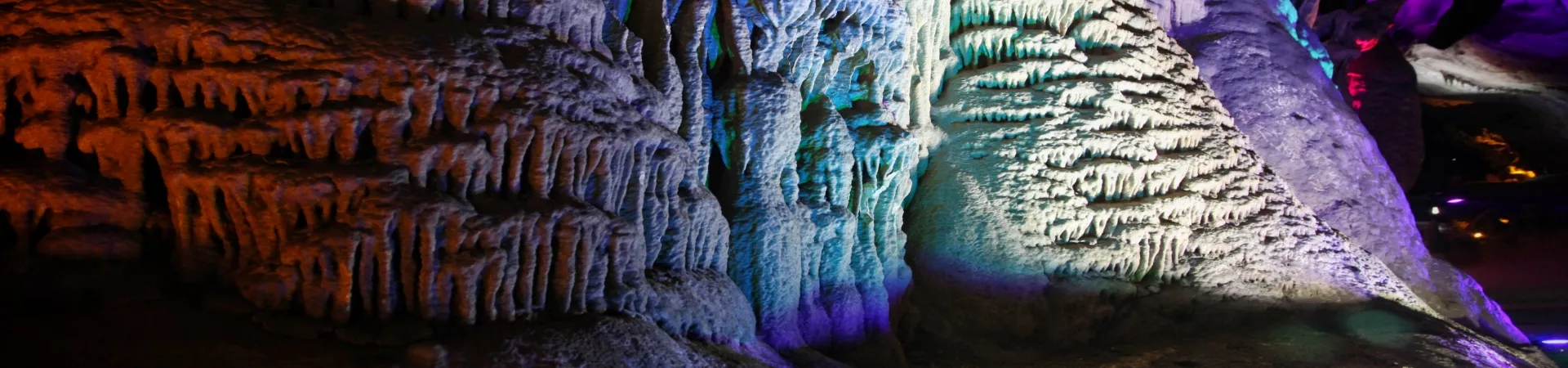
Subtitle: A Journey Through Time and Stone: Unveiling the Mysteries of Zixia Cave in Yongzhou
1. Introduction: The Allure of the Subterranean
Nestled within the verdant, rolling landscapes of Yongzhou City in China's Hunan Province lies a natural masterpiece that has captivated visitors for centuries: Zixia Cave (紫霞岩). More than just a geological formation, Zixia Cave is a portal to an ancient world, a cool sanctuary of stunning beauty, and a canvas upon which nature has painted its most intricate and awe-inspiring works over millions of years. This karst cave system, renowned for its vast chambers, labyrinthine passages, and ethereal rock formations, offers a profound journey into the heart of the earth, blending natural wonder with a palpable sense of history and legend. For the discerning traveler seeking an experience that engages the senses and the imagination, Zixia Cave stands as an unmissable highlight of the Hunan region.
2. Geological Marvel: Nature's Artistry Over Millennia
2.1. The Formation of a Masterpiece The story of Zixia Cave begins approximately 180 million years ago, during the Jurassic period. The region was submerged under a vast ancient sea, where layers of limestone sediment accumulated on the ocean floor. Subsequent tectonic uplifts raised this limestone bedrock, exposing it to the elements. The true artist, however, has been water. Over countless millennia, slightly acidic rainwater, percolating through the soil and rock, began to slowly dissolve the soluble limestone. This patient, persistent process of chemical erosion and physical water flow carved out the expansive chambers, narrow tunnels, and vertical shafts that define the cave's complex three-dimensional structure.
2.2. A Symphony of Speleothems The cave's interior is a veritable museum of speleothems—the collective term for cave formations created by mineral deposits. As mineral-rich water drips, flows, or seeps through the cave, it leaves behind calcite crystals, building formations at an almost imperceptible pace.
- Stalactites and Stalagmites: The most iconic features, these formations create majestic columns and delicate draperies. Needle-like stalactites hang from the ceilings like chandeliers, while robust stalagmites rise from the floor. In many places, they have met to form massive, cathedral-like pillars that seem to support the very weight of the mountain above.
- Flowstones and Rimstone Dams: Where water flows in sheets over walls or slopes, it creates smooth, frozen-looking formations called flowstones, often resembling cascading waterfalls petrified in time. In pools, rimstone dams build up like natural terraces, creating multi-level basins of crystal-clear water.
- Helictites and Shields: More exotic formations defy gravity. Helictites twist and turn in seemingly random directions, while shield formations create thin, plate-like discs protruding from walls. These rare formations highlight the unique micro-environments within the cave.
- The Underground River: A vital component of the cave's ecosystem is its subterranean river, whose gentle murmurs echo in the silence. This waterway, still actively shaping the cave, adds a dynamic element to the scenery and maintains the high humidity that preserves the formations' vitality.
3. A Tapestry of History and Culture
3.1. Ancient Inscriptions and Literary Legacy Zixia Cave is not merely a natural site; it is a historical archive. Its walls bear witness to human fascination across dynasties. Over 120 ancient inscriptions have been discovered, dating from the Tang (618-907 AD) and Song (960-1279 AD) dynasties. Poets, scholars, and travelers carved verses and observations into the soft rock, leaving behind a tangible literary heritage. The most famous literary association is with the great Tang dynasty poet, Liu Zongyuan, who served as a prefectural governor in Yongzhou. He is said to have visited and written about the area's landscapes, cementing the cave's status as a site of cultural refinement.
3.2. Legends and Local Lore The name "Zixia" itself, meaning "Purple Mist" or "Rosy Clouds," is steeped in legend. One popular tale suggests that at dawn or dusk, a mystical purple haze would emanate from the cave entrance, giving it an otherworldly aura. Another legend connects the cave to Taoist mythology, hinting at its role as a place of spiritual retreat or a gateway to celestial realms. These stories, passed down through generations, enrich the visitor's experience, adding a layer of mystical narrative to the physical exploration.
4. Practical Information for Visitors
4.1. Planning Your Visit To fully appreciate Zixia Cave, planning is essential. The cave maintains a constant cool temperature year-round, typically between 16°C to 18°C (61°F to 64°F), providing a refreshing escape from the summer heat but requiring a light jacket even in warmer months. The walking paths inside are well-developed with lighting and handrails, but comfortable, non-slip walking shoes are highly recommended due to potentially damp surfaces.
4.2. Opening Hours and Admission The cave is open to the public daily, with seasonal adjustments to its schedule. It is advisable to check ahead for any last-minute changes, especially during national holidays or extreme weather conditions. * Opening Hours: 09:00 - 16:30 (All day). * Last Admission Time: 16:30. * Seasonal Note: This schedule applies from December 1st to February 28th of the following year. Operating hours may be extended during the peak season (spring and summer).
4.3. Contact Information For the most current information regarding ticket prices, special arrangements, or to inquire about guided tours—which are highly recommended to gain deeper insights into the geology and history—prospective visitors can contact the site directly. * Telephone: +86 746 8808999
4.4. The Visitor Experience A standard tour involves a guided walk through a designated route that showcases the main halls and most spectacular formations. Strategic lighting, often employing colored LEDs to enhance textures and shapes, illuminates the natural features while preserving the cave's ambiance. The journey through the cave is one of gradual revelation, moving from spacious entrance halls into more intimate galleries, each with its own character and named formations that spark the imagination. The experience culminates in a profound appreciation for the slow, powerful forces of nature and the enduring human desire to explore and find meaning in the world's hidden wonders.