Zhengyi Guan
Subtitle: The Cradle of Taoism: A Journey into the Heart of Ancient Chinese Wisdom
1. Introduction: The Spiritual Epicenter of Longhu Shan
Nestled within the serene and mystically beautiful landscape of Longhu Shan (Dragon and Tiger Mountain) in Yingtan City, Jiangxi Province, lies the Zhengyi Guan (Orthodox Unity Temple). More than just a single temple, it is revered as the ancestral temple and the very birthplace of the Zhengyi Dao (Way of Orthodox Unity) school, the most enduring and influential sect of religious Taoism. For over two millennia, this sacred site has been a beacon of spiritual learning, a center for Taoist rituals, and a destination for pilgrims and seekers of wisdom. A visit to Zhengyi Guan is not merely a tourist excursion; it is an immersive journey into the philosophical and religious foundations that have profoundly shaped Chinese culture, art, and medicine. The tranquil atmosphere, surrounded by the mountain's iconic red sandstone peaks and the winding Luxi River, immediately sets the stage for contemplation and discovery.
2. Historical Significance: Where Celestial Masters Walked
The origins of Zhengyi Guan are inextricably linked to the legendary figure Zhang Daoling, the first Celestial Master (Tianshi). In the mid-2nd century AD, it is believed that Zhang Daoling received a revelation from the deified Laozi here at Longhu Shan, leading to the formal establishment of the Tianshi Dao (Way of the Celestial Masters) movement. This event marked a pivotal moment in the institutionalization of Taoism.
- 2.1. The Seat of the Celestial Masters: For 63 generations, the Zhang family lineage of Celestial Masters made Longhu Shan their administrative and spiritual headquarters. Zhengyi Guan served as the central temple from which they disseminated Taoist teachings, performed state-sanctioned rituals, and governed the vast network of Taoist communities across China. The temple complex was repeatedly rebuilt and expanded through various dynasties, especially during the Tang, Song, and Ming periods, reflecting its enduring imperial patronage and importance.
- 2.2. A Legacy of Scholarship and Canonization: The area became synonymous with Taoist scholarship. Most significantly, it was the primary site for the compilation and editing of the Daozang (Taoist Canon), the immense treasury of Taoist scriptures, during the Ming Dynasty. The very landscape, with its numerous cliff-face tombs dating back to the ancient Yue people, contributed to the aura of immortality and the transcendent that permeates Taoist belief.
3. The Temple Complex: Architecture and Sacred Spaces
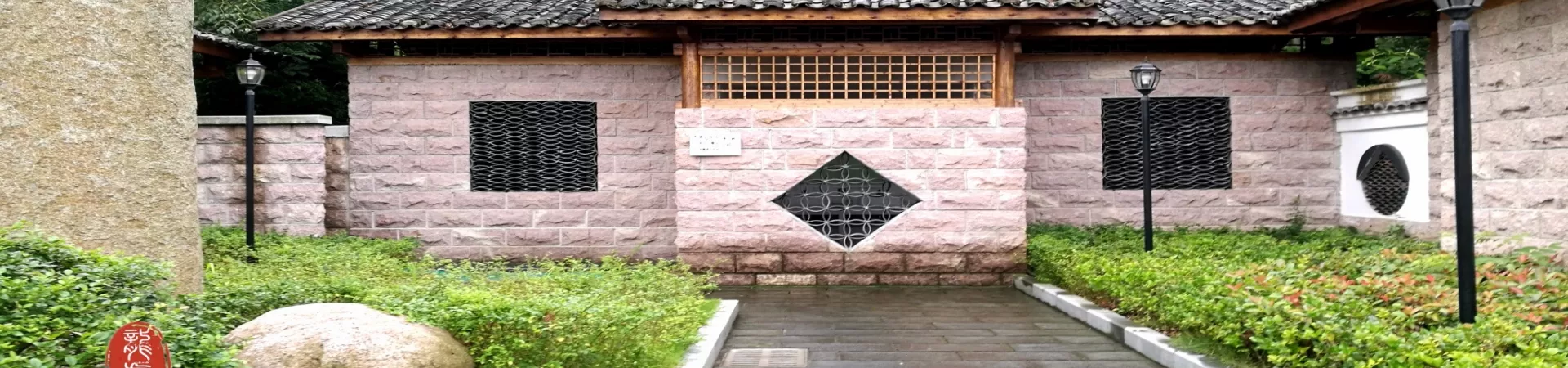
While the current structures are predominantly modern reconstructions, they faithfully follow traditional Taoist architectural principles and layout, designed to harmonize with the natural environment and facilitate spiritual practice.
- 3.1. Layout and Symbolism: The complex is arranged along a central axis, guiding visitors through a sequence of courtyards and halls that symbolize a progressive journey into deeper spiritual understanding. The use of natural materials, upturned eaves, and symbolic colors (like the dominant red and black) aligns with Taoist cosmology.
- 3.2. Key Halls and Features:
- The Main Sanqing Hall: This is the core of the temple, dedicated to the Three Pure Ones (Sanqing), the highest deities in the Taoist pantheon. It is a place for grand ceremonies and quiet reverence.
- The Hall of the Celestial Masters: This hall honors the lineage of Zhang Daoling and his successors. Statues or tablets pay homage to their role as foundational teachers.
- The Yuhuang Pavilion (Jade Emperor Pavilion): Often situated in a prominent position, this structure is dedicated to the Jade Emperor, the ruler of heaven in Taoist folk belief.
- Altars and Ritual Spaces: Throughout the complex, one will find altars for offerings, incense burners, and open spaces for the performance of intricate Taoist rituals and music, which are still practiced today.
4. The Visitor Experience: Immersion and Practicality
A trip to Zhengyi Guan is seamlessly integrated into the larger Longhu Shan UNESCO Global Geopark experience. The temple offers a cultural and spiritual counterpoint to the area's stunning natural geology.
- 4.1. Spiritual and Cultural Immersion: Visitors can witness daily Taoist ceremonies, observe priests in traditional attire, and feel the palpable sense of history. The surrounding ancient zhengyi Taoist temples and the mysterious cliff tombs visible across the river provide a constant reminder of the deep historical layers.
- 4.2. Activities and Exploration: Beyond the temple itself, the area encourages exploration. The bamboo raft cruise on the Luxi River offers breathtaking views of the mountains and the famous "hanging coffins." Hiking trails lead to quiet spots perfect for meditation, reflecting the Taoist ideal of unity with nature.
- 4.3. Essential Practical Information for Planning Your Visit:
- Admission: Access to Zhengyi Guan is included in the comprehensive Longhu Shan Scenic Area ticket (approximately 175 RMB). This pass typically covers entrance to the main scenic zones, the museum, and often includes the bamboo raft cruise or a sightseeing bus within the park.
- Opening Hours: The temple and scenic area are generally open from 7:30 AM to 5:30 PM, daily throughout the year. It is advisable to confirm the latest times locally, as they can be subject to change seasonally or for special events.
- Suggested Duration: To fully appreciate Zhengyi Guan, explore its immediate surroundings, and connect it to the wider context of Longhu Shan, a visit of 1 to 3 hours is recommended. Allocating a full day for the entire scenic area is ideal.
- Contact: For specific inquiries, you can reach the general Longhu Shan tourist services at 400-8853-766.
5. Conclusion: The Living Dao
Zhengyi Guan stands as a testament to a living tradition. It is not a relic frozen in time but a vibrant center where ancient rituals continue, and the philosophical quest for harmony between humanity, nature, and the cosmos remains as relevant as ever. Walking its quiet courtyards, one walks the same paths as celestial masters, scholars, and emperors, gaining a unique window into the soul of China's indigenous spiritual heritage. Its presence within the dramatic landscape of Longhu Shan perfectly embodies the core Taoist principle: the profound interconnection of the human spirit and the natural world.