Yingtan Museum
A Guide to Visiting the Yingtan Museum
Nestled in the heart of Yingtan City, Jiangxi Province, the Yingtan Museum stands as a cultural beacon, offering visitors a profound journey through the region's rich tapestry of history, geology, and folk traditions. More than just a repository of artifacts, it serves as an essential gateway to understanding the unique character of this area, famously associated with the majestic Longhu Mountain (Dragon and Tiger Mountain) and the philosophical depths of Taoism. This guide provides a detailed overview to help you plan your visit and fully appreciate the treasures within.
Planning Your Visit: Practical Information
Before embarking on your cultural exploration, it's helpful to have the key logistical details at hand.
- Contact Information:
- Phone: +86-701-6221036
- Opening Hours:
- Tuesday to Sunday: 09:00 - 17:00 (Last admission at 16:00)
- Monday: Closed (All day)
- The museum is open year-round with these hours, including during national holidays, unless otherwise specified.
Exploring the Museum's Collections and Exhibits
The Yingtan Museum's exhibitions are thoughtfully curated across multiple galleries, each dedicated to a specific theme that intertwines to tell the complete story of the region.
2.1 The Geological Wonders Gallery This section forms a foundational part of the museum's identity. It delves into the extraordinary Danxia landform that defines the local landscape. Through detailed geological models, mineral samples, and vivid photographic displays, the exhibit explains the millions of years of geological processes that created the stunning red cliffs, peculiar rock pillars, and serene river valleys of the Longhu Mountain Scenic Area. It highlights how this unique environment provided the natural setting for the birth and seclusion of Taoist culture.
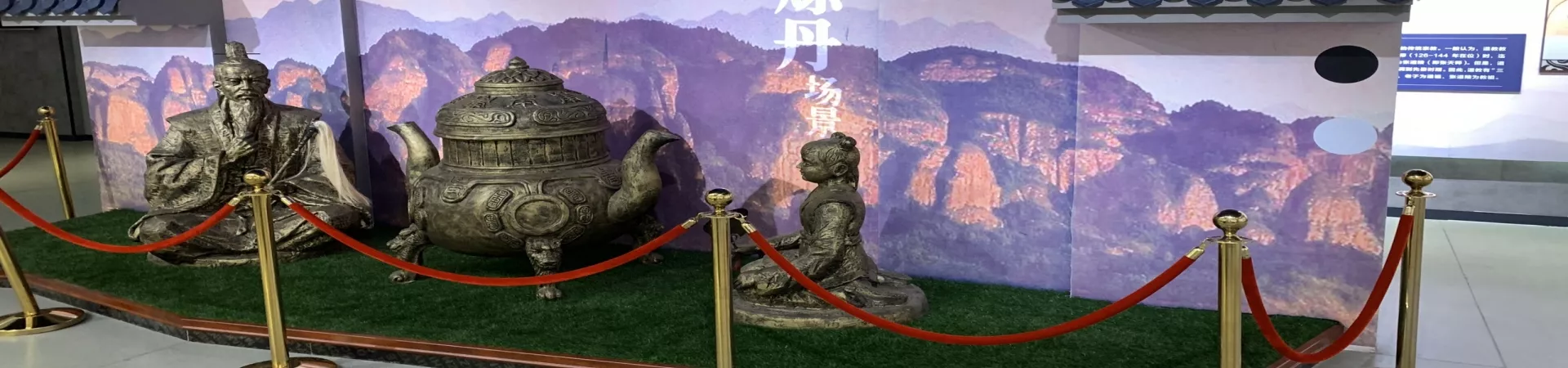
2.2 The Heart of Taoist Culture Building upon the geological narrative, this gallery is dedicated to the spiritual and historical significance of Taoism in Yingtan. Longhu Mountain is revered as the birthplace of the Taoist religion, and this exhibit brings that heritage to life. * Historical Artifacts: The collection features ancient Taoist scriptures (some replicas of significant texts), ritual implements, statues of deities, and artifacts excavated from historical sites around the mountain. * The Zhang Tianshi Legacy: A significant portion is devoted to the lineage of the Celestial Masters (Zhang Tianshi), who made Longhu Mountain their ancestral home for over six decades. Displays trace this influential history and its impact on Chinese religious thought. * Philosophy and Practice: Interactive and informative panels explain core Taoist concepts such as harmony with nature (Dao), Yin and Yang, and the pursuit of longevity, connecting ancient philosophy to the tangible history on display.
2.3 A Journey Through Regional History Beyond its natural and spiritual fame, Yingtan has a continuous and dynamic local history. This gallery presents a chronological exploration of human activity in the region. * Archaeological Discoveries: Exhibits feature pottery, tools, and daily-use items from various dynasties, including the Neolithic period, the Han, Tang, Song, and Ming dynasties, illustrating the evolution of local communities. * Cultural Exchange: Given Yingtan's location along important historical routes, the exhibit also touches on trade, migration, and the cultural exchanges that shaped its development, showcasing coins, ceramics, and other evidence of past commerce.
2.4 The Folk Customs and Intangible Heritage Hall This vibrant section celebrates the living culture of the local people. It moves beyond ancient history to showcase traditions that have been passed down through generations. * Traditional Crafts: Displays include exquisite examples of bamboo weaving, intricate woodcarvings, and traditional textile work, demonstrating the skill and artistry of local craftsmen. * Festivals and Performances: The gallery uses dioramas, costumes, and multimedia to depict local festivals, traditional opera forms, and folk music. It offers a colorful and sensory-rich insight into the community's social life and artistic expressions. * Intangible Cultural Heritage: Special attention is given to practices recognized as intangible cultural heritage, preserving the knowledge and rituals that are a vital part of the region's identity.
Enhancing Your Visitor Experience
A visit to the Yingtan Museum is designed to be engaging for all ages and interests.
3.1 Architectural Design and Ambiance The museum building itself often incorporates design elements inspired by local architectural styles, creating a harmonious transition from the city into the cultural space. The interior is spacious and well-lit, with a calm ambiance conducive to contemplation and learning.
3.2 Educational and Interactive Elements Throughout the galleries, visitors will find more than static displays. * Multimedia Stations: Touch-screen kiosks and short documentary films provide deeper context, interviews with scholars, and virtual tours of inaccessible archaeological or natural sites. * Interactive Models: Particularly in the geological section, hands-on models help explain complex formations. * Guided Tours and Audio Guides: While availability may vary, the museum occasionally offers guided tours in Chinese. Inquiring at the information desk upon arrival is recommended. Audio guides in multiple languages are often available for rent.
3.3 Amenities and Facilities The museum is equipped with standard public facilities to ensure a comfortable visit, including clean restrooms, a cloakroom, a souvenir shop offering books and culturally themed gifts, and often a small café or resting area. The layout is generally accessible, but it is advisable to confirm specific accessibility needs via the contact phone number prior to your visit.