Ten Forbidden Scenic Spots
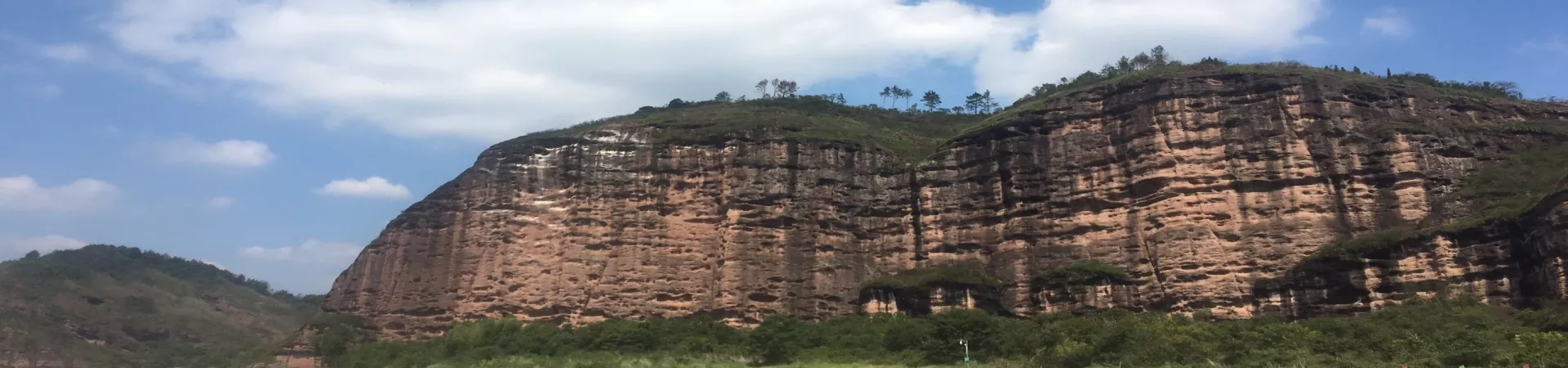
Subtitle: A Journey Through Nature's Sculpture Gallery: Exploring the "Ten Can't Be" Peaks of Yingtan
Introduction: The Allure of the Impossible Nestled within the dramatic and mist-shrouded landscape of Yingtan City in China's Jiangxi Province lies a geological marvel that has captivated poets, painters, and travelers for centuries: the "Shi Bu De" Scenic Area, literally translated as the "Ten Can't Be" Peaks. This is not merely a collection of mountains; it is a realm where nature's boundless imagination takes concrete form, challenging perception and inspiring wonder. The site is an integral part of the larger Longhu Mountain (Dragon and Tiger Mountain) area, renowned as the birthplace of Taoism, which adds a profound layer of cultural and spiritual significance to the already stunning physical panorama. Here, colossal Danxia landforms—characterized by their reddish sandstone cliffs, sculpted by eons of wind and water—rise abruptly from the ground, each resembling a mythical creature, a legendary figure, or an everyday object so perfectly that it seems deliberately crafted. The "Ten Can't Be" refers to the ten most iconic peaks, each with a name that poetically declares its resemblance while humorously asserting its uniqueness: for instance, "The Mushroom Rock That Can't Be Picked" or "The Heavenly Maiden That Can't Be Married." A visit here is an immersive experience in natural art, folklore, and serene beauty, easily accessible yet feeling worlds away from the mundane.
1. Practical Information for Your Visit Visiting Hours: The scenic area is open daily from 8:30 AM to 5:00 PM, with the last admission granted at 5:00 PM. This schedule is consistent throughout the year, from January 1st to December 31st. It is advisable to plan your arrival earlier in the day to fully appreciate the site's extensive walking trails and to enjoy the optimal morning light for photography, which beautifully illuminates the red cliffs. The area's microclimate can often bring ethereal morning mists, enhancing the mystical atmosphere, especially in the warmer months.
Location and Access: The "Ten Can't Be" peaks are situated within the Longhu Mountain National Park, approximately 20 kilometers southwest of Yingtan's city center. Visitors can reach Yingtan via high-speed rail or conventional train, as it is a major transport hub. From the city, taxis, ride-hailing services, or local tourist buses provide convenient access to the park's main entrance. Upon arrival, a comprehensive system of walkways, viewing platforms, and optional boat rides along the Luxi River allows for varied and comfortable exploration of the primary vistas.
2. The Legend and Lore of the Formations 2.1. A Taoist Tapestry in Stone The landscape is deeply intertwined with Taoist philosophy and legend. Longhu Mountain is considered one of the religion's most sacred sites, where the first Heavenly Master, Zhang Daoling, is said to have founded the sect over 1,800 years ago. The peculiar shapes of the peaks are often interpreted through this lens, seen as celestial guardians, immortal beings, or symbols of Taoist principles. Local guides are rich sources of these stories, narrating tales of how a particular rock represents an immortal's pet, or how a cliff face depicts a scene from a sacred text. This cultural narrative transforms a geological walk into a journey through a living, spiritual mythology.
2.2. Decoding the "Ten Can't Be" Each of the ten named peaks carries a story. "The Mushroom Rock That Can't Be Picked" is a towering pillar with a massive, overhanging cap, defying gravity and resembling a giant fungus just out of reach. "The Heavenly Maiden That Can't Be Married" presents a graceful, slender rock formation likened to a goddess, forever pristine and unattainable. "The Waterfall That Can't Be Splashed" appears from a distance as a gleaming white cascade down a cliff face, but is in fact a mineral stain, creating a permanent illusion of flowing water. Understanding these playful names and their associated folklore enriches the visual experience, inviting visitors to engage in a game of recognition and imagination.
3. Experiencing the Scenic Area 3.1. Key Viewing Routes and Perspectives Exploration typically follows two complementary paths: the land route and the water route.
3.1.1. The Riverside Walk and Viewing Platforms A well-maintained pedestrian path meanders along the Luxi River, offering frontal and side views of the most famous peaks. Strategically placed viewing platforms, such as the one facing the iconic "Mushroom Rock," provide perfect photo opportunities. The walk is gentle and suitable for most fitness levels, with the serene river reflecting the majestic cliffs, doubling the beauty.
3.1.2. The Boat Ride on Luxi River For a truly majestic perspective, the boat trip is essential. Gliding peacefully on the emerald-green waters of the Luxi, visitors can look up at the sheer vertical faces of the Danxia cliffs rising hundreds of feet above. This angle reveals the full scale and grandeur of the formations, including vistas inaccessible by land. The boat often passes by ancient cliff tombs, historical relics of the ancient Yue people, adding an archaeological intrigue to the natural spectacle.
3.2. Flora, Fauna, and Seasonal Changes The area is a vibrant ecosystem. The cliffs are adorned with tenacious pines and shrubs growing from crevices, while the surrounding hills are covered in lush subtropical forest. The air is filled with the songs of birds, and keen-eyed visitors might spot squirrels or other small wildlife. Each season dresses the peaks differently: spring brings a burst of greenery and blossoms, summer deepens the shades with occasional dramatic thunderstorms, autumn highlights the contrast with golden and red foliage, and winter occasionally dusts the red rocks with a rare, delicate frost, creating a breathtaking monochrome scene.
4. Deeper Appreciation: Geology and Conservation 4.1. The Science Behind the Spectacle The "Ten Can't Be" peaks are a textbook example of Danxia topography, a unique landform type recognized by UNESCO. This landscape was formed over millions of years through the deposition of red sandstone and conglomerate, followed by tectonic uplift and extensive erosion by water and wind. The distinct layers of sediment are visible on the cliff faces, telling a story of ancient inland basins and dramatic geological change. The peculiar shapes—the pillars, the caves, the overhangs—are direct results of differential erosion, where softer rock wears away faster than harder layers.
4.2. Preserving the Natural Heritage As a protected national geopark, the area is managed with a strong emphasis on conservation. Visitors are encouraged to stay on designated paths, refrain from touching or climbing the fragile rock formations, and carry out all waste. These measures ensure that the delicate balance of the ecosystem and the integrity of the sandstone sculptures are maintained for future generations. The park's infrastructure is designed to minimize environmental impact while maximizing visitor experience through thoughtful design.