Shengjing Mountain
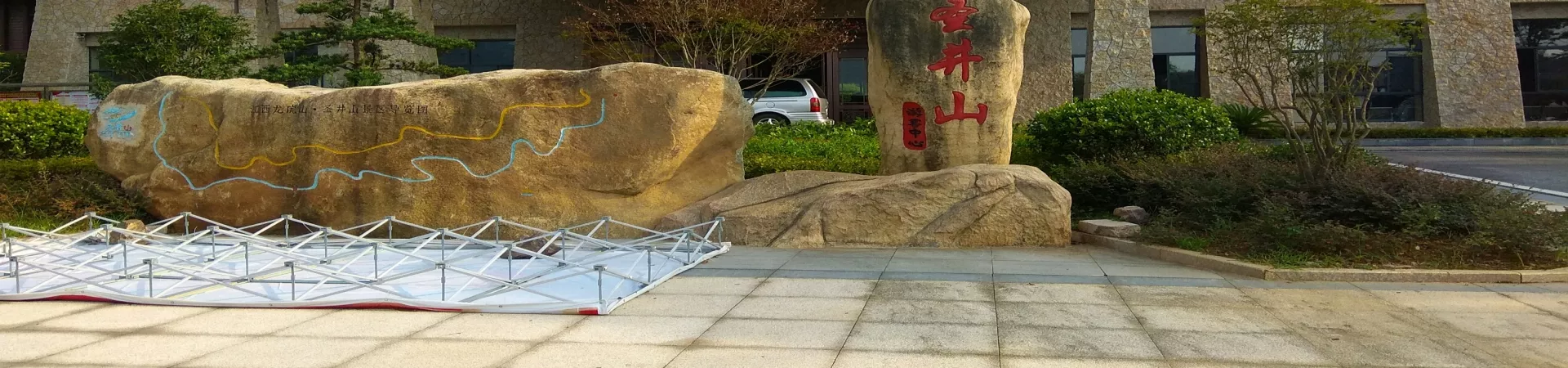
Subtitle: A Journey to the Sacred Well Mountain: Exploring the Natural and Spiritual Heart of Yingtan
1. Introduction: The Allure of a Sacred Peak Nestled within the verdant landscapes of Jiangxi Province, China, the city of Yingtan serves as a gateway to one of the nation's most profound spiritual and natural treasures: Shengjing Shan, or Sacred Well Mountain. More than just a scenic area, it is a living tapestry woven from threads of ancient Taoist philosophy, breathtaking geological artistry, and serene, mist-shrouded landscapes. This destination invites visitors not merely to sightsee, but to embark on a journey—a pilgrimage for the soul that engages the senses, challenges the body, and calms the mind. While the mountain's beauty is timeless, planning a visit requires practical knowledge, starting with its operational hours, which are thoughtfully extended to accommodate weekend explorers.
2. Practical Information: Planning Your Pilgrimage
2.1. Opening Hours and Ticketing To fully immerse yourself in the experience, careful timing is essential. Shengjing Shan operates on a dual schedule to cater to both weekday and weekend visitors. * Weekday Access (Monday to Friday): The mountain opens its gates at 8:30 AM. The last admission is strictly at 5:00 PM, with the entire site closing at 5:30 PM. This schedule is ideal for those seeking a potentially quieter, more contemplative experience amidst the ancient forests and temples. * Weekend & Holiday Access (Saturday, Sunday, and public holidays): Anticipating larger crowds, the site opens earlier at 8:00 AM. The last admission is extended to 5:30 PM, with a final closure at 6:00 PM, allowing extra time to complete longer hiking trails or enjoy the sunset vistas.
It is highly advisable to purchase tickets in advance through official online platforms, especially during peak seasons and weekends, to avoid queues. Allocate a minimum of 4-6 hours for a comprehensive visit that includes cable car rides, key sightseeing, and leisurely walks.
3. The Multifaceted Experience of Shengjing Shan
3.1. A Geological Marvel: The Red Cliffs and Danxia Landforms The first and most striking feature of Shengjing Shan is its dramatic geology. The mountain is a magnificent example of Danxia landform, characterized by its startling red sandstone cliffs, sculpted over millions of years by tectonic forces and erosion. These cliffs are not monolithic; they are a dynamic canvas of striations, caves, and peculiar shapes that ignite the imagination. * The Immortal's Rock Formations: As you traverse the paths, you'll encounter clusters of towering rock pillars, often named after Taoist immortals, animals, or mythological figures. Each formation has its own legend, whispered by the wind through the canyons. * Natural Caves and Grottos: The soft sandstone has given way to numerous caves and grottos, some of which have been integrated into the spiritual infrastructure of the mountain, housing small altars or offering moments of cool respite.
3.2. The Spiritual Core: Taoist Heritage and the Sacred Well The mountain's name, "Sacred Well," is derived from a legendary, perpetually clear spring whose waters were believed to possess healing properties and spiritual purity. This natural feature became the anchor for Taoist practice, transforming the mountain into a revered sanctuary. * Shengjing Temple Complex: The heart of the spiritual district. While architectural styles may reflect renovations across dynasties, the atmosphere remains one of deep tranquility. The complex typically includes main halls dedicated to deities like the Jade Emperor or Lao Tzu, meditation spaces, and living quarters for practitioners. The scent of incense and the sound of chanting or temple bells create a deeply immersive sensory experience. * Integration of Belief and Landscape: Taoist philosophy, which emphasizes harmony with nature (ziran), is physically manifested here. Pathways are designed to follow the mountain's contours, viewing pavilions are positioned to frame perfect vistas of cloud and rock, and temples seem to grow organically from the cliffs themselves. It is a masterclass in sacred geography.
3.3. The Physical Journey: Trails, Cable Cars, and Vantage Points Experiencing Shengjing Shan is an active endeavor. A network of well-maintained trails and modern cable cars provides access to its various levels. * The Ascending Cable Car: The primary cable car route offers a breathtaking transition. As you ascend, the world below transforms into a miniature landscape, and the full scale of the red cliffs rises beside you, offering unparalleled photographic opportunities of the forested peaks and deep valleys. * The Cliffside Walkway: For the adventurous, sections of the hike involve traversing narrow pathways and walkways attached to the very face of the cliffs. Walking these paths, with the sheer drop on one side and ancient rock on the other, is both thrilling and humbling, literally placing you within the geological masterpiece. * Summit Vistas: Reaching one of the several peaks rewards the effort with panoramic views. On clear days, you can see a rolling sea of green mountains fading into the horizon. More often, the interplay of mist and sunlight creates a mystical, ever-changing scene where distant peaks appear and disappear like islands in a cloud ocean.
4. Enhancing Your Visit: Cultural Etiquette and Local Context
4.1. Respectful Engagement with Sacred Spaces When visiting temple areas, observe a respectful demeanor. Speak in hushed tones, dress modestly (avoiding overly revealing clothing), and follow any posted guidelines regarding photography inside shrines. It is customary to circle altars and religious statues clockwise. While not mandatory, a small donation in temple donation boxes is a traditional way to contribute to the site's upkeep.
4.2. Connecting with Yingtan and the Surrounding Region Shengjing Shan is the crown jewel of the Yingtan area, which is itself steeped in cultural significance. * Longhu Mountain (Dragon & Tiger Mountain): A short distance away, this UNESCO World Heritage Site is considered the birthplace of Taoism, featuring ancient cliff tombs and a historic Taoist temple complex. A combined visit with Shengjing Shan provides a complete narrative of Taoist history and landscape. * Local Flavors: After a day of hiking, explore Yingtan's local cuisine. Jiangxi food is known for its savory and slightly spicy flavors. Seek out dishes featuring freshwater fish from the nearby rivers, locally foraged bamboo shoots, and "stinky" tofu, which is a beloved regional specialty with a strong aroma but delicious taste. * Optimal Seasons for Visit: While accessible year-round, spring (April-May) and autumn (September-October) offer the most comfortable temperatures and vibrant natural colors—spring blossoms or autumn foliage. Summer can be hot and humid, though the mountain forests provide shade. Winter is quieter and can reveal stark, beautiful landscapes, but requires preparation for cold weather at the summit.