Mosquito free Village
Subtitle: A Timeless Sanctuary Where Nature and Legend Intertwine
Introduction: The Allure of a Mosquito-Free Haven
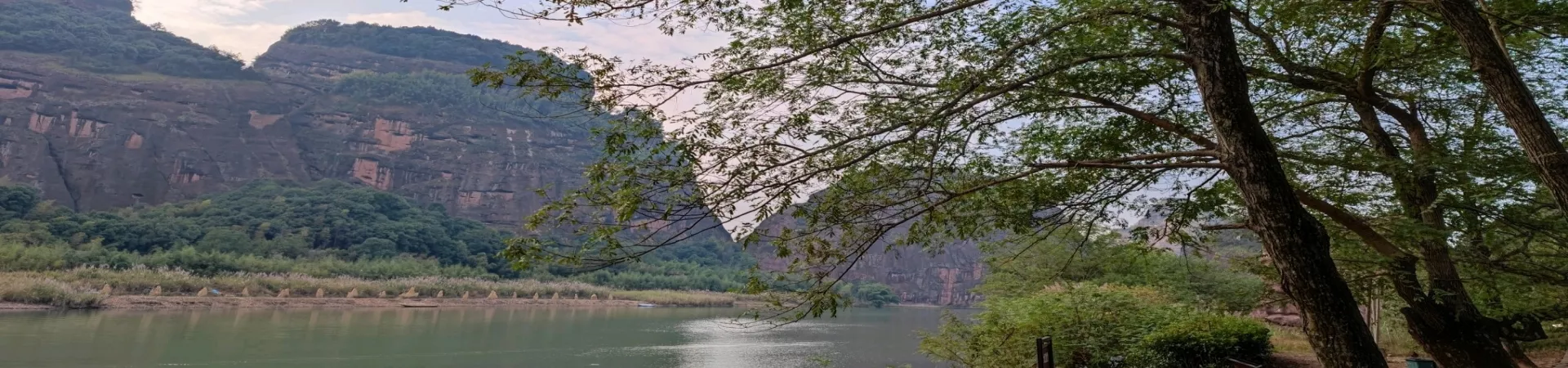
Nestled on the banks of the Luxi River, directly opposite the majestic Peaks of the Immortals in Longhu Mountain, lies a village that seems to defy a fundamental law of nature. This is the No Mosquito Village (无蚊村, Wú Wén Cūn), a small, serene settlement that has captivated visitors for centuries not with grand architecture, but with a simple, profound mystery: the conspicuous absence of mosquitoes. More than just a curious natural phenomenon, the village is a living tapestry woven from stunning landscapes, ancient Taoist culture, and enduring local folklore. A visit here is less about checking off tourist sights and more about stepping into a tranquil, otherworldly realm where the air is clear, the river whispers ancient tales, and the persistent buzz of mosquitoes is replaced by the sounds of flowing water and rustling bamboo.
The Heart of the Mystery: Unraveling the Legend
A Filial Son and the Divine Intervention The most cherished explanation for the village's unique condition is rooted in a poignant legend from Chinese folklore. During the Song Dynasty, the village was home to a devoted son named Xu Xun and his elderly mother. Tormented by mosquito bites that plagued his mother's sleep and health, Xu Xun's filial piety moved the celestial beings. It is said that the divine immortal, Zhang Tianshi (Celestial Master Zhang), the revered figure from the nearby Taoist center at Longhu Mountain, took pity on them. With a wave of his horsetail whisk, he banished all mosquitoes from the village, granting the mother—and all future generations of villagers—a peaceful rest. This tale is not merely a story; it is the cultural soul of the village, embodying values of respect, compassion, and the harmonious intervention of the Taoist world into daily human life.
Scientific Inquiries and Natural Harmony While the legend provides a mythical charm, scientific observations offer complementary theories. Geographers and biologists point to the village's unique environmental layout. Surrounded by specific aromatic plants like camphor trees and mugwort, which are known for their natural insect-repelling properties, the village creates a botanical barrier. Furthermore, its position by the fast-flowing Luxi River prevents the stagnation of water, eliminating the breeding grounds mosquitoes require. The constant, gentle breezes channeled through the mountain valley may also discourage these insects from settling. Ultimately, whether through divine decree or a fortunate confluence of natural factors, the result is the same: an exceptionally comfortable and pest-free outdoor environment.
Experiencing the Village: A Journey for the Senses
The Scenic Approach and Rustic Ambiance The journey to No Mosquito Village is an integral part of the experience. Visitors typically take a short, picturesque bamboo raft ride across the clear, jade-green waters of the Luxi River from the main scenic area of Longhu Mountain. This transition from the more frequented paths to the secluded village sets the tone for tranquility. Upon arrival, you are greeted not by crowds, but by a cluster of simple, well-preserved Gan-style (Jiangxi province) houses with white walls and dark grey tiles. The air carries a faint, fresh aroma from the surrounding vegetation. The dominant sounds are the gentle flow of the river, the chirping of birds, and the occasional conversation of local residents going about their day.
Local Life and Culinary Simplicity The village is still home to several dozen families, and a glimpse into their slow-paced, traditional lifestyle is a key attraction. You might see villagers drying vegetables in the sun, weaving bamboo baskets, or tending to small vegetable gardens. The hospitality here is warm and unassuming. Many households operate small, family-run restaurants where visitors can savor authentic local farm food. Dishes are fresh, simple, and flavorful, often featuring river fish, free-range chicken, bamboo shoots, and homegrown vegetables. Dining at a rustic table by the river, completely undisturbed by insects, is a remarkably pure and enjoyable experience.
Connections to Taoist Culture The village's proximity to Longhu Mountain, the ancestral seat of Taoism in China for over 1,900 years, imbues it with a subtle spiritual atmosphere. The legend of Zhang Tianshi's intervention directly links the village to the Taoist tradition of mastering natural forces and pursuing harmony between humans and their environment. As you walk the quiet paths, it's easy to imagine the Celestial Masters from the mountain's temples looking across the river at this peaceful enclave. This connection adds a layer of cultural depth, making the village a perfect, quiet complement to the more formal Taoist architectural and ritual sites on the mountain itself.
Practical Information for the Visitor
Access and Opening Hours No Mosquito Village is accessible exclusively via bamboo raft or boat from the main dock in the Longhu Mountain (Mount Longhu) National Scenic Area in Yingtan City, Jiangxi Province. There is no direct road access, which preserves its secluded charm. The village itself is open to visitors all day, every day, throughout the year. However, access is dependent on the operating hours of the raft ferry service from the main scenic area. It is advisable to check the last return ferry time when you arrive to plan your visit accordingly.
Suggested Activities and Etiquette * Leisurely Exploration: Allow at least 1.5 to 2 hours to wander the village lanes, sit by the riverbank, and perhaps enjoy a leisurely meal. * Photography: The village offers beautiful scenes of rustic architecture against the backdrop of the river and the unique peaks of Longhu Mountain. * Cultural Respect: Remember that this is a living community. Be respectful of private property, speak softly, and seek permission before photographing residents closely. * Combined Itinerary: A visit to No Mosquito Village is most rewarding when combined with a full day exploring the Longhu Mountain UNESCO Global Geopark, including the Shangqing Ancient Town, the Tianshi Mansion, and the breathtaking cliff-top tombs.
In essence, No Mosquito Village is a testament to the beauty of serene simplicity. It challenges a common nuisance, invites contemplation through its legends, and offers a tangible sense of peace. It stands as a humble yet powerful reminder of the possibilities that arise at the intersection of nature, culture, and a touch of the miraculous.