Longhu Mountain Hanging Coffin
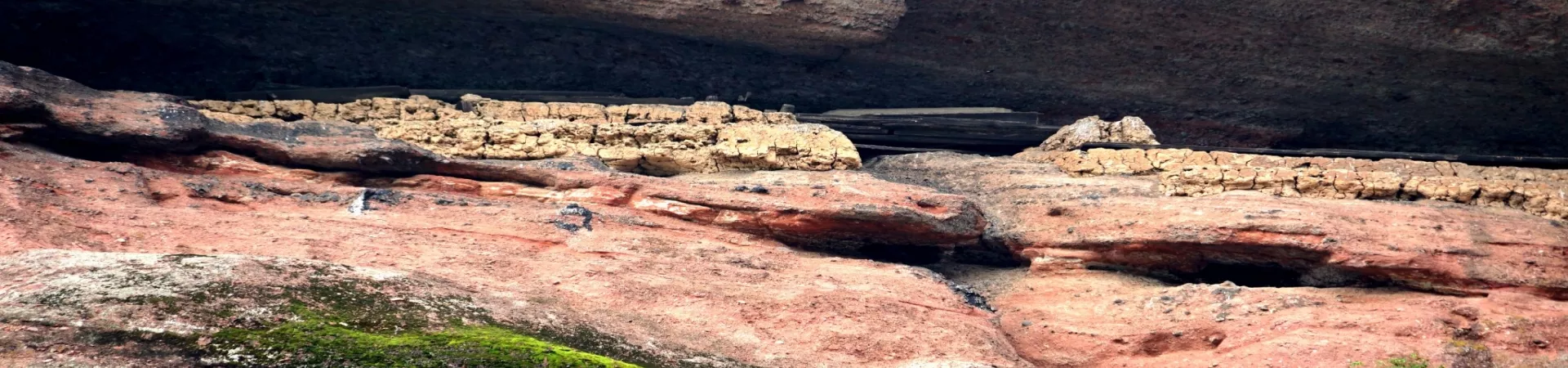
Subtitle: Unveiling the Ancient Enigma: Cliffside Burials of Longhu Mountain
1. Introduction: A Glimpse into an Ancient Mortuary Practice
Nestled within the dramatic, mist-shrouded landscapes of Jiangxi Province, China, Longhu Mountain (Dragon Tiger Mountain) is not only a cradle of Taoism but also the guardian of one of history's most captivating and enigmatic archaeological phenomena: the Cliffside Burials, commonly known as "Hanging Coffins." This ancient funerary custom, which involves placing coffins high on the faces of precipitous cliffs, represents a profound cultural mystery that continues to intrigue archaeologists, historians, and visitors alike. While similar practices have been identified across approximately 13 provinces and regions in southern China—from Fujian and Sichuan to Hunan and Guangdong—and even in parts of Southeast Asia and the Pacific islands, the site at Longhu Mountain stands out for its accessibility, concentration, and its deep integration with the area's rich Taoist heritage. The coffins, perched defiantly against gravity and time, silently challenge our understanding of ancient technology, belief systems, and social organization.
2. The Profound Mystery: How and Why?
2.1. The Enduring "How" The most pressing question surrounding the Longhu Mountain coffins is the method of their placement. These wooden coffins, some weighing several hundred kilograms, are situated in natural caves or on narrow ledges on cliffs that rise sheer from the rivers below, often tens or even hundreds of meters above ground or water level. Given the perilous terrain and the apparent lack of modern climbing equipment or large machinery in antiquity, the logistics of hoisting the coffins and the deceased into position remain a subject of intense speculation and debate. Archaeologists and engineers have proposed various theories over the years. One prominent hypothesis suggests the use of complex pulley systems operated from the clifftops. Another theory posits that ancient builders might have constructed temporary wooden scaffolds from the ground up or from the side during periods of higher water levels, which were then dismantled after the burial. Despite these educated guesses, no definitive historical records or blueprints exist, cementing the coffin placement technique as a true "thousand-year-old mystery."
2.2. The Cultural "Why" Equally compelling is the question of motivation. What beliefs drove these ancient peoples, later associated with the Baiyue tribes, to undertake such a laborious and dangerous burial rite? Scholars generally agree that the practice was deeply rooted in spiritual and social concepts. Placing the deceased high on the cliffs was likely seen as bringing them closer to the heavens or the divine realm, facilitating their ascension or spiritual journey. It may have also been a method to protect the remains from floods, wild animals, and potential desecration, thereby honoring the ancestors in the most secure way imaginable. Furthermore, the visibility and inaccessibility of the burial sites probably served as a powerful symbol of the social status and prestige of the interred individuals or their families, a permanent monument visible to the community below.
3. Visiting Longhu Mountain's Cliffside Burials: A Practical Guide
3.1. The Viewing Experience Today, visitors to Longhu Mountain can witness these ancient marvels primarily during a scenic boat ride or a bamboo raft journey along the serene Luxi River. As you glide through the stunning Danxia landform landscape—characterized by its reddish sandstone cliffs—the coffins become visible in their lofty niches. The site management has also developed a live cultural performance that attempts to reconstruct one of the hypothesized ancient methods of coffin elevation using ropes, pulleys, and actors, offering a visual, albeit theoretical, solution to the mystery. This performance adds a dynamic layer to the contemplation of this ancient practice.
3.2. Essential Visitor Information * Opening Hours: The site is generally open from 7:30 AM to 5:30 PM, seven days a week, throughout the year. It is advisable to confirm the latest schedule, especially for the timing of the cultural performance, before your visit. * Admission Fees: Access to the Cliffside Burials is typically included in the broader Longhu Mountain Scenic Area combination ticket. A standard comprehensive ticket is around 260 RMB, which often covers entrance to the main scenic zone, the bamboo raft or boat tour on the Luxi River (the primary way to view the coffins), and the cultural performance. Prices and package inclusions can vary, so checking for the most current options is recommended. * Suggested Duration: To fully appreciate the natural beauty, the Taoist temples (including the grand Shangqing Palace), and the cliff burial sites at a comfortable pace, allocating a full day is ideal. * Transportation: Longhu Mountain is located near Yingtan City in Jiangxi Province. From Yingtan, public bus K2 provides a direct and convenient connection to the Longhu Mountain scenic area entrance. For greater flexibility, taxis or ride-hailing services are also readily available from the city center or the train station.
4. Longhu Mountain in a Broader Context
While Longhu Mountain offers one of the most visitor-friendly contexts to explore cliff burials, it is part of a wider tapestry. Other notable sites in China include the cliff tombs in the Lesser Three Gorges of Chongqing and the Bing Shu Bao Jian Gorge in the Three Gorges area. Each location presents slight variations in style, coffin construction, and geographic setting, contributing to a richer, more complex national narrative of this custom. The reported discovery of such burials as far north as Inner Mongolia's Arxan City, if confirmed, could significantly alter the historical and cultural understanding of its spread. The presence of analogous practices in distant cultures across the seas further deepens the global anthropological significance of these finds. At Longhu Mountain, however, the enigma is not an isolated artifact; it is woven into the very fabric of the place, where the silent coffins on the cliffs gaze eternally over a landscape considered sacred in Taoism, blurring the lines between a burial ground, an archaeological site, and a spiritual sanctuary. The mountains, the river, the temples, and the suspended coffins together create an unparalleled atmosphere where history, mystery, and natural grandeur converge.