Xiaoxing'anling Botanical Garden
Subtitle: A Comprehensive Guide to Xiaoxing'anling Botanical Garden: Nature's Sanctuary in Northeast China
Introduction Nestled within the majestic landscape of Yichun, Heilongjiang Province, the Xiaoxing'anling Botanical Garden stands as a premier destination for nature enthusiasts, researchers, and casual visitors alike. As the largest botanical garden in Northeast China, spanning an impressive 5.33 square kilometers, it serves a multifaceted role as a center for scientific research, conservation, horticultural production, public education, and eco-tourism. More than just a collection of plants, it is a living, breathing microcosm of the vast Xiaoxing'anling Mountain Range ecosystem. The garden masterfully blends breathtaking natural scenery—characterized by rolling forested hills and pristine waterways—with a mission to preserve and display the region's extraordinary botanical wealth. A visit here offers a profound journey into the heart of one of China's most important temperate forest zones, providing both serene beauty and deep educational insight.
The Garden's Mission and Collections Core Purpose and Design The garden was established with the integrated goals of ex-situ conservation, scientific study, and public engagement. It functions as a vital genetic bank and outdoor laboratory for botanists studying the flora of cold temperate regions. Simultaneously, its layout and curation are designed to be accessible and engaging for tourists, transforming complex botanical science into an immersive visual and sensory experience. The vast area is thoughtfully segmented into various thematic zones and ecological displays, allowing for systematic exploration of different plant families and habitats.
A Living Archive of Flora The primary pride of the Xiaoxing'anling Botanical Garden is its extensive and specialized collection. It focuses intensely on the native vascular plants, conifers, broad-leaved trees, shrubs, and herbaceous species indigenous to the Xiaoxing'anling region. This includes numerous rare, endangered, and economically valuable species that define the local forest ecology, such as various Korean pine, fir, spruce, oak, and maple species. Beyond the local focus, the garden has also successfully acclimatized a significant number of introduced species from other parts of China and across the globe. These collections are arranged not only taxonomically but also in recreations of natural plant communities, allowing visitors to observe how different species coexist and interact within the forest ecosystem of the Greater Khingan Range.
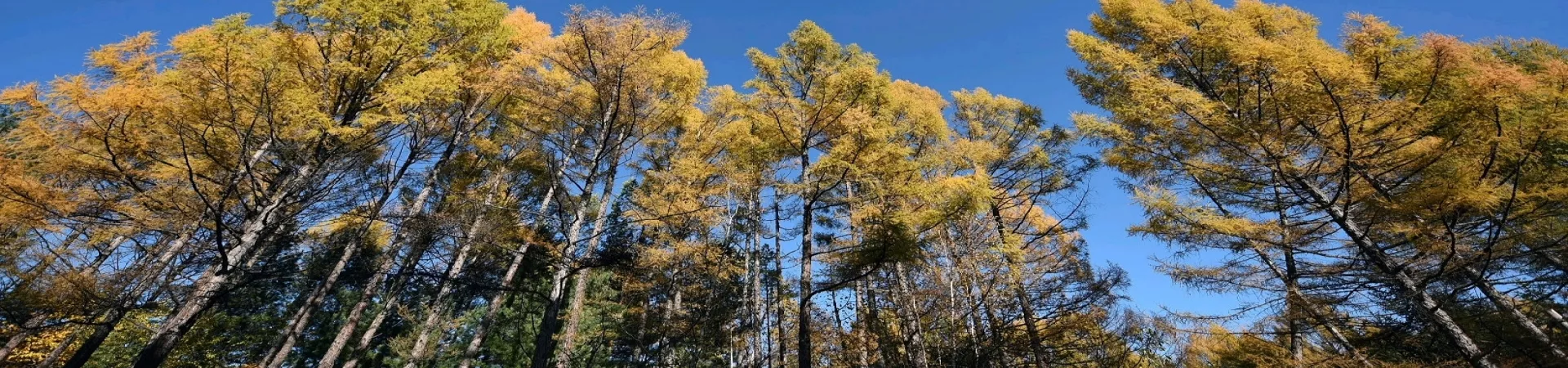
Visitor Experience and Practical Information Exploring the Landscape and Key Attractions A tour through the garden is a journey through diverse landscapes. Visitors can wander along well-maintained paths that meander through dense simulated native forests, open meadows bursting with wildflowers, tranquil ponds adorned with aquatic plants, and dedicated exhibition gardens. Key highlights often include a dedicated conifer section showcasing the majestic pines and firs that are iconic to the region, a rhododendron and azalea garden that explodes in color during spring, a medicinal plant garden revealing the forest's pharmacopeia, and an autumn foliage trail where the landscape transforms into a spectacular canvas of red, gold, and orange. The garden's design ensures that every season offers a unique spectacle, from spring blossoms and summer's lush greenery to autumn's fiery hues and winter's silent, snow-draped majesty.
Planning Your Visit: Essential Details * Opening Hours: The garden is open to the public 24 hours a day, every day of the year. However, the optimal visiting times for exploration and facility access are during daylight hours. * Admission: For the most current ticket prices, concession rates, and possible seasonal variations, it is recommended to contact the garden's administration directly prior to your visit. * Suggested Duration: To comfortably explore the main sections and appreciate the scenery, a visit of 1 to 3 hours is typically sufficient. Dedicated botanists or photographers may wish to allocate more time.
Transportation and Access The garden is conveniently accessible from downtown Yichun. * By Public Bus: Several bus routes provide service near the garden. * Take Bus No. 3 to the "Stadium" (体育馆) stop, then walk approximately 13 minutes. * Take Bus No. 6 to the "Party School" (党校) stop, followed by a 10-minute walk. * Buses No. 2 or No. 5 stop at "Hongyidian Jiufang" (红一点酒坊). From there, walk north, cross the Yuxi Bridge, and head west for about 15 minutes. * By Taxi: A taxi ride from the city center is a quick and affordable option, usually costing under 10 RMB and taking about 10 minutes, depending on exact starting location and traffic.
Contact Information For inquiries regarding group visits, guided tours, research collaboration, or specific event information, you can reach the garden at: 0458-3079901.
Information last updated: January 10, 2023. Credit to contributor Liangxia Bohe for editorial input.