Wuying National Forest Park
Subtitle: A Journey into the Heart of Northeast Asia's Primeval Korean Pine Forest
Introduction Nestled within the vast wilderness of China's Lesser Khingan Mountains in Yichun City, Heilongjiang Province, Wuying National Forest Park stands as a sanctuary of profound ecological and historical significance. It is widely recognized as the location harboring the most well-preserved primeval forest of Korean Pine (Pinus koraiensis) in China, and indeed, the largest, most complete, and most representative such ecosystem in all of Asia. For travelers seeking an immersive experience in a pristine, ancient woodland far from the urban clamor, Wuying offers an unparalleled opportunity to walk among giants—both natural and historical—and breathe the crisp, pine-scented air of a genuine natural treasure.
The Primeval Forest: A Living Legacy 2.1. The Realm of the Korean Pine The absolute heart and soul of Wuying National Forest Park is its majestic Korean Pine forest. These towering trees, many centuries old, create a cathedral-like canopy that filters sunlight into dappled patterns on the forest floor. The ecosystem here is a complex, interdependent web of life, supporting a rich biodiversity. Walking through this serene expanse offers a palpable sense of stepping back in time, into a landscape that has dominated this region for millennia. The preservation of this forest provides crucial insights into the natural history of Northeast Asia and represents an invaluable conservation achievement.
2.2. Trails and Treasures: The Wooden Walkways Visitor access through the sensitive forest environment is thoughtfully managed via an extensive network of wooden boardwalks and paths. These walkways protect the fragile undergrowth and root systems while allowing guests to venture deep into the woods with minimal impact. The gentle creak of wood underfoot becomes part of the forest's soundtrack. For those visiting in late September or October, a special delight may await: the chance to find large, ripe pine cones littering the ground. These "松塔" (song ta) can be opened to reveal plump, edible pine nuts, a seasonal gift from the forest itself.
Historical Encounter: The "Shaoqi" Train Before fully immersing in the wilderness, visitors are greeted by a poignant piece of modern history. Parked near the entrance is the "Shaoqi Hao" steam locomotive. This train is named in honor of Liu Shaoqi, a senior Chinese statesman, who in his later years rode this very line to inspect industrial and forestry production bases in the region. It serves as a tangible link to the area's development history and offers a unique photo opportunity, contrasting the industrial age with the timeless forest that surrounds it.
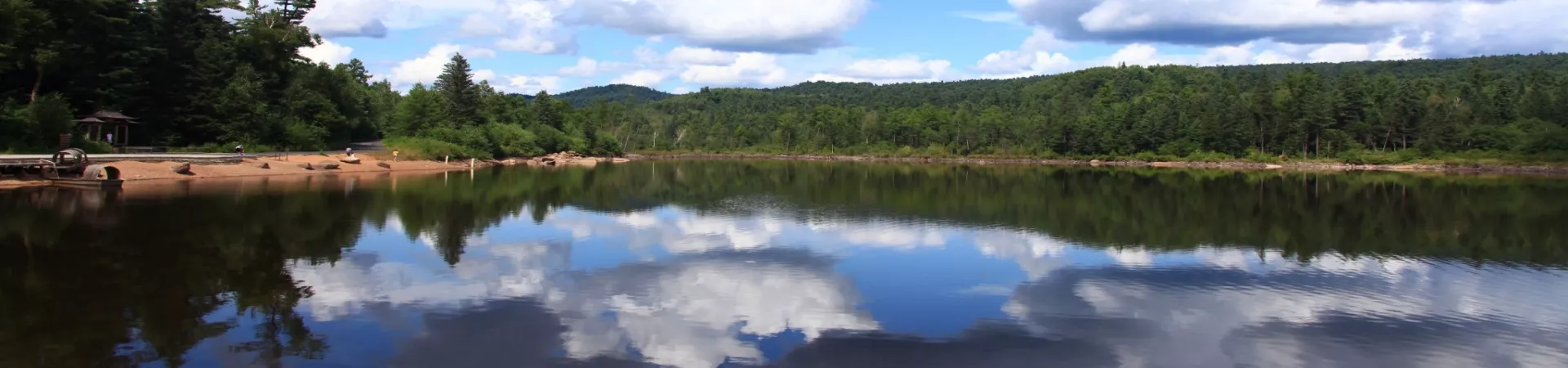
Scenic Highlights Within the Park 3.1. Tianci Lake: A Mirror of the Heavens Arguably the most breathtaking scenic spot within the park is Tianci Lake, whose name translates poetically to "Lake Gifted by Heaven." This classic alpine lake is a masterpiece of natural composition. Its waters are typically calm and crystal clear, acting as a perfect mirror. The reflection of the endless pristine pine forests on its shores and the vast blue sky above creates a scene of stunning, serene beauty. The viewing platform by the lake is an ideal place for contemplation, photography, and simply absorbing the profound peace of the environment.
Practical Visitor Information 4.1. Admission and Operating Hours * Ticket Price: The park entrance fee is 60 RMB per person. An additional 20 RMB is required for the mandatory sightseeing shuttle bus, which transports visitors from the park entrance to the core forest area and key sites like Tianci Lake. * Opening Hours: The park is open daily from 08:00 to 16:30, with the last admission at 16:30. These hours are consistent throughout the year.
4.2. Suggested Duration and Contact * Recommended Visit Length: To fully appreciate the forest walks, visit Tianci Lake, and explore at a leisurely pace, a minimum of 3 hours is advisable. Many visitors choose to spend half a day or more. * Contact: For inquiries, you can reach out via the park's service number: 400-188-0458.
4.3. Transportation Guide Reaching Wuying National Forest Park requires some planning, as it is located in a remote area.
By Bus from Yichun: The most common route is from Yichun Long-Distance Bus Station. Direct buses to Wuying town depart at 10:30, 11:30, 12:50, 14:30, 15:20, and 16:50. The fare is approximately 15 RMB. Alternatively, buses headed to Hongxing or Tangwanghe that pass through Wuying can also be used. Upon arrival at Wuying town bus station, you will need to arrange local transport (such as a taxi or private minivan) for the final leg to the park entrance, roughly a 30-minute drive. Negotiating a round-trip vehicle is common, with prices around 70 RMB per vehicle (more cost-effective for groups).
By Train: The park is also accessible via the Wuying Railway Station. From the station, you can hire a local minivan ("面的") for the trip to the park. A one-way trip costs about 40 RMB per vehicle, with a round-trip typically priced at 70 RMB. The journey from the station to the park also takes around half an hour.
Information last updated: July 31, 2023. Credits and thanks to contributors including Yang Huangtu and Mafengwo users for editorial input.