Tangwanghe Linhai Qishi Scenic Area
Subtitle: A Journey Through Time and Stone in the Lesser Khingan Range
1. Introduction to Tangwanghe Stone Forest Scenic Area
Nestled within the pristine wilderness of China's Lesser Khingan Range, the Tangwanghe Stone Forest Scenic Area stands as a premier national geological park and the core attraction of the broader Tangwanghe National Park. This remarkable landscape, situated on a highland adjacent to the Tangwanghe River, is a testament to the immense, patient power of nature, having been sculpted over hundreds of millions of years. Its fame rests upon a breathtaking collection of thousands of peculiar rock formations, whose origins lie in ancient granite from volcanic accumulations. Through relentless tectonic plate movement, compression, and the endless cycle of wind, rain, and frost erosion, these granite masses have been transformed into a gallery of natural art. The area masterfully embodies the poetic phrase, "Trees grow upon the stones, and stones hide within the forest," creating a seamless and mystical integration of lithic and arboreal wonders. Visitors are invited not just to see, but to experience a realm where towering ancient trees, diverse flora and fauna, and the serene melodies of birdsong complement the silent, majestic stone figures. In spring and summer, the forest floor is further adorned with the vibrant blooms of azaleas, adding splashes of color to the green and gray palette. The scenic area is strategically divided by a small river and a road into five distinct sections—East, West, South, North, and Central—each offering a unique perspective on this geological marvel and requiring several hours to fully appreciate.
2. Exploring the Five Regions of the Park
2.1. Southern Region: The Ascent and Iconic Vistas The Southern Region, though relatively compact, presents an engaging uphill trek that introduces some of the park's most famous formations. The path leads visitors past iconic sights such as "One-Line Sky," a narrow fissure splitting a rock face, the "Arhat Turtle," a rock resembling a giant tortoise, "Majestic Peak," and the "Mountain Guardian General." This area serves as a perfect introduction to the park's theme of stones mimicking living forms and grand sentinels.
2.2. Western Region: The Heart of the Stone Spectacle This region is the epicenter of Tangwanghe's stone forest landscape. A primary path, paved with stone slabs, winds through a dense concentration of colossal and whimsically shaped boulders. The convenience of clearly marked signs identifying each rock formation—such as various animals, human profiles, and mythological figures—enhances the exploration, allowing visitors to connect names with the imaginative shapes carved by nature.
2.3. Central Region: A Serenade of Water and Wood Offering a contrasting experience, the Central Region features a tranquil wooden boardwalk that follows the meandering course of a forest stream. This peaceful path is flanked by serene woods dominated by century-old white birch and Korean pine trees, their tall, straight trunks and rustling leaves creating a hushed, aromatic atmosphere distinct from the rocky outcrops.
2.4. Northern Region: The Steep Path of Imagination The Northern Region presents a more challenging, steeper trail that rewards hikers with a spectacular array of figurative stones. Here, the imagination runs wild viewing formations like the "Golden Toad Playing with Pine," "Jade Rabbit Stone," "Mother and Child Stones," "Ingot Stone," "Mountain-Calming Bell," and "Wuneng Gazing at the Moon." These massive rocks, often partially veiled by layered forests, possess a particularly grand and imposing aura.
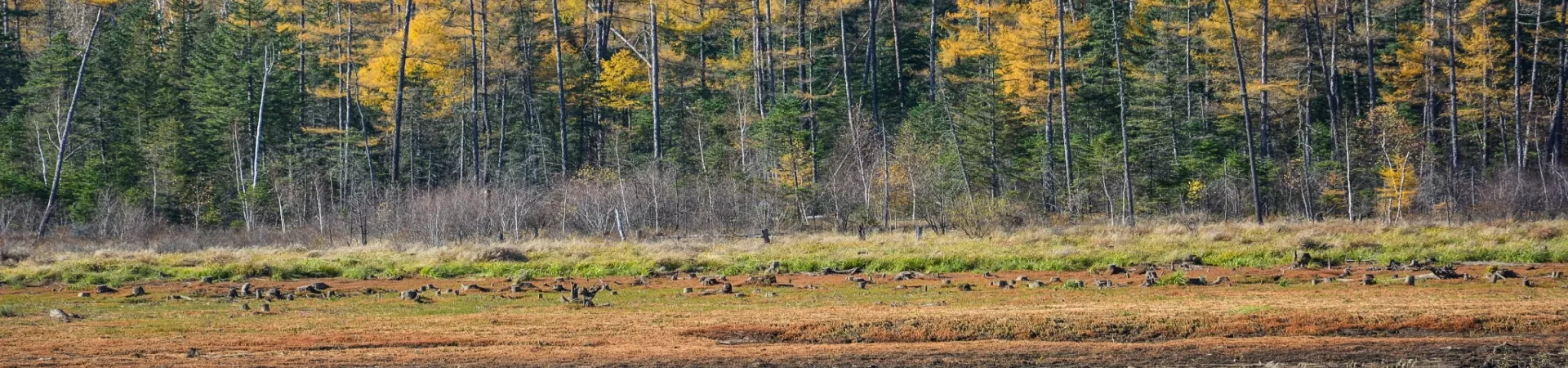
2.5. Eastern Region: The Embrace of the Sea of Forest Shifting focus from stone to foliage, the Eastern Region is predominantly a vast "sea of forest." It provides a profound experience of the dense, primeval woodland, featuring undulating terrain and unique, dome-shaped mounds thickly covered in moss. This area appeals to those seeking the pure, tranquil essence of the Lesser Khingan forests.
3. Essential Visitor Information
3.1. Transportation Options Reaching the scenic area is facilitated by several means: * By Bus: Direct buses depart from Yichun Bus Station to Tangwanghe at multiple times daily (e.g., 6:30, 7:30, 8:20, 9:30, etc.), with a fare of approximately 27 RMB. Buses are also available from Wuying to Tangwanghe (15 RMB). For return schedules, contact Tangwanghe Passenger Transport Station at 0458-3530388. * By Train: The nearest railway station is Tangwanghe Railway Station, located about 12.8 kilometers from the scenic area. * By Chartered Vehicle: Renting a car for a round trip from Tangwanghe District to the park typically costs between 60-70 RMB per vehicle.
3.2. Ticketing and Fees * Admission: General adult tickets are priced at 90 RMB, while student tickets are 50 RMB. Note that all entrance tickets include a mandatory 10 RMB sightseeing shuttle fee. * Additional Charge: Access to the observation tower within the park requires a separate fee of 35 RMB per person. * Validity: A single ticket registration at the main gate grants access for up to three consecutive days.
3.3. Operating Hours The park is open daily from 8:00 AM to 5:00 PM, with the last admission at 4:00 PM. This schedule applies year-round.
3.4. Important Notes for Visitors * Suggested Duration: Allocate a minimum of 3 hours to adequately explore the park, though a full day allows for a more comprehensive and leisurely experience. * Accessibility: The park involves a significant amount of walking on uneven paths, including stone steps and boardwalks. The Northern Region features steeper trails. Visitors should wear sturdy, comfortable footwear. * Discounts: While free admission may be offered to seniors, individuals with disabilities, and active-duty military personnel, please be advised that the mandatory sightseeing shuttle fee (10 RMB) is typically still required. It is recommended to verify the latest policy details at the ticket office or via official channels prior to your visit.