Red Star Volcano Geopark
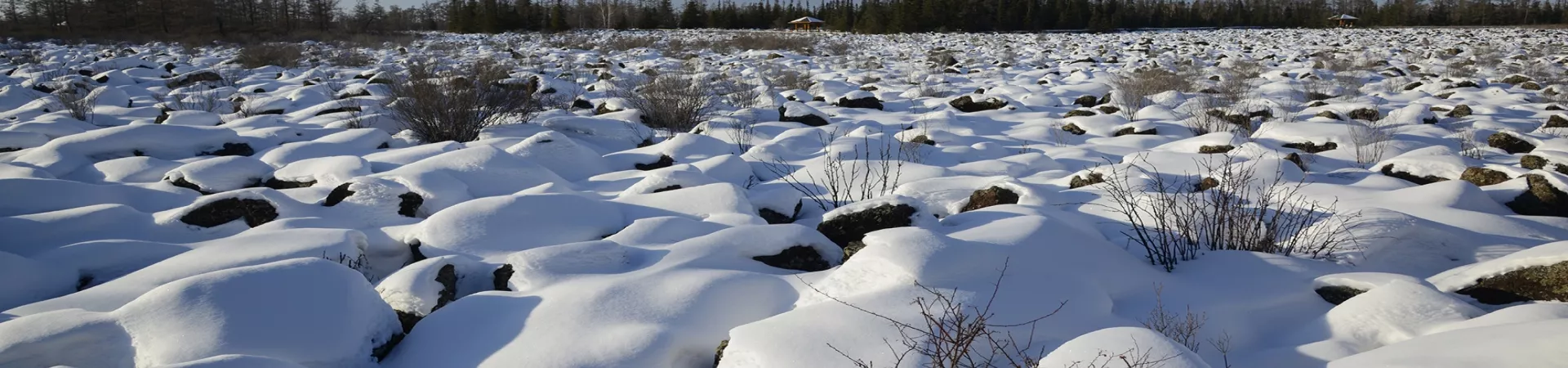
Subtitle: A Geological Wonderland in the Heart of Lesser Khingan Range
1. Introduction: A Newfound Volcanic Treasure
Nestled within the lush expanse of China's Lesser Khingan Range in Yichun City, Heilongjiang Province, the Hongxing Volcanic Geological Park stands as a remarkable testament to the dynamic forces that have shaped our planet. Recognized as a significant volcanic geological wonder discovered following the famed Wudalianchi, this park offers visitors a profound journey into a landscape sculpted by ancient fire, now teeming with vibrant life. It represents a pristine and captivating chapter in China's rich geological narrative, seamlessly blending raw natural history with breathtaking scenic beauty.
2. A Sanctuary of Biodiversity
The park's foundation of vast volcanic lava fields and stone seas ("Shihai") has, over centuries, fostered a surprisingly diverse and fragile ecosystem. This unique terrain provides exceptional habitats for a wide array of flora and fauna, earning the park the esteemed title of "Heilongjiang Animal and Plant Resource Protection Zone."
- 2.1. Fauna: The area serves as a crucial refuge for wildlife, hosting 47 species of nationally protected animals. Among these are majestic and rare creatures such as the iconic Red-crowned Crane and the formidable Moose, whose presence signifies the ecological health of this volcanic environment.
- 2.2. Flora: Complementing the animal life are 511 documented species of plants. This botanical richness creates a constantly changing tapestry of colors and textures across the seasons, from the dense coniferous and broad-leaved forests to the specialized species thriving in wetland areas.
3. The Three Signature Spectacles
Hongxing Park is renowned for three distinct and awe-inspiring natural phenomena, each offering a unique seasonal highlight.
- 3.1. Volcanic Landforms: The park's core identity lies in its dramatic volcanic topography. Visitors can explore expansive fields of porous, rugged lava rock, remnants of ancient flows that appear as a petrified ocean. This includes accessible volcanic cones and craters, offering tangible connections to the region's fiery past.
- 3.2. Azalea Blossom Sea: Each spring, typically around May, the otherwise stark volcanic rocks undergo a miraculous transformation. Vast stretches of wild azaleas (Rhododendron dauricum) burst into brilliant pink and purple blooms, creating a stunning visual contrast against the dark lava. This "Flower Sea" is a celebrated seasonal event, drawing photographers and nature lovers.
- 3.3. Kurbin Rime: During the deep winter months (especially December to February), the park stages one of nature's most exquisite performances. The unfrozen waters of the Kurbin River meet the frigid air, generating a thick mist that blankets the riverside trees. This mist freezes instantly, coating every branch and twig in a thick, white, crystalline frost known as rime. The result is a breathtaking, silent forest of pure white, a true winter fairyland.
4. Exploring the Park: Landscapes and Attractions
The park's vast offerings are systematically categorized based on geological and natural features, facilitating comprehensive exploration. These are divided into four primary landscape types:
- 4.1. Volcanic Geomorphology Landscape: Encompassing the stone seas, lava platforms, and volcanic vents.
- 4.2. Water Body Landscape: Featuring the Kurbin River, wetlands, and potential lakes formed in volcanic depressions.
- 4.3. Structural Geomorphology Landscape: Including features shaped by tectonic forces, such as unique rock formations and valleys.
- 4.4. Forest Wetland Landscape: Representing the rich ecological zones where boreal forest merges with marshes and bogs.
To enhance the visitor experience, these landscapes are further developed into eight dedicated scenic areas, each with a specific focus:
- 4.4.1. Water & Ice Tour Area: For summer boating or winter ice-related activities along the river.
- 4.4.2. Stone Sea Adventure Area: Designed for exploring the vast, rugged expanses of volcanic rock.
- 4.4.3. Volcanic Crater Sightseeing Area: Focused on viewpoints and trails around volcanic craters.
- 4.4.4. Underground Palace Exploration Area: Likely featuring lava tubes, caves, or unique subterranean formations.
- 4.4.5. Banla Mountain Area: A specific mountainous region for hiking and panoramic views.
- 4.4.6. Erpiao River Area: Highlighting the scenery and ecosystems along this specific watercourse.
- 4.4.7. Forest Culture Garden Area: Showcasing the heritage and lifestyle of the local forestry communities.
- 4.4.8. Agricultural Sightseeing Area: Offering insights into local farming practices amidst the natural backdrop.
5. Practical Visitor Information
Transportation: Reaching Hongxing Volcanic Geological Park requires a journey to the town of Hongxing, followed by travel to the specific park location at Dapingtai. * By Public Transport: Regular train or long-distance bus services are available from Yichun City to Hongxing Town. It is also possible to take a direct train from Harbin to Hongxing. From Hongxing Town, local buses or taxis are required for the final leg to Dapingtai. * By Car (Recommended for flexibility): A self-drive trip offers the most freedom. The primary route is: Harbin → Tieli → Yichun → Hongxing Town → Dapingtai. This scenic drive through the Lesser Khingan Range is part of the adventure.
Admission and Hours: * Ticket: The park currently offers free admission to all visitors. * Open Hours: The park is open 24 hours a day, every day of the year. However, access to specific areas or activities may vary seasonally. Winter visits for rime viewing are extremely popular but require preparation for severe cold.
Suggested Visit Duration: A thorough exploration of the park's main sights typically requires 3 to 5 hours. This allows time for short hikes, photography, and traveling between different scenic areas. Visitors specifically coming for the Kurbin Rime or Azalea blooms may wish to allocate additional time to fully experience these transient wonders.
Information was updated on: 2023-01-07. Credit and thanks to contributor: Yichun Lao Zhang Free Travel.