Xijia Mountain Residential Buildings
Subtitle: A Journey Through Time: Exploring the Architectural Grandeur and Cultural Tapestry of Xijiashan Folk Museum
1. Introduction: A Ming Dynasty Legacy Preserved in Sichuan's Countryside
Nestled in the serene landscape of Jiang'an County, under the jurisdiction of Yibin City in Sichuan Province, lies the Xijiashan Ancient Folk Residence, a monumental testament to China's rich architectural heritage and rural gentry culture. More than just a collection of old buildings, it is a sprawling, living museum officially known as the Xijiashan Folk Museum. Its story begins in the Wanli era of the Ming Dynasty (circa 1573-1620), embarking on a centuries-long evolution. Through successive generations of meticulous expansion and renovation, it gradually transformed into the vast, manor-style complex visible today, reaching its zenith in scale and sophistication during the late Qing Dynasty. This site offers visitors an unparalleled opportunity to step away from the modern world and immerse themselves in the spatial harmony, defensive ingenuity, and daily rhythms of a bygone era, providing a profound understanding of the societal structures, aesthetic values, and lifestyle of the scholarly-official class in southwestern China.
2. Architectural Mastery and Layout: A Fortified Sanctuary
2.1. The Grand Scheme: A "Three-Courtyard" Siheyuan Complex The core layout of Xijiashan is a magnificent representation of the traditional Chinese siheyuan (courtyard house) principle, amplified to an impressive scale. The entire complex is arranged along a central axis in a "three-courtyard" progression. This design signifies not only order and symmetry but also the hierarchical and private nature of family life. The compound unfolds gradually, with each successive courtyard becoming more private, moving from semi-public reception areas to the intimate living quarters of the family. Covering approximately 11,000 square meters, the residence boasts a staggering 123 rooms, which served various functions including ancestral halls, studies, guest halls, main living quarters, servants' wings, kitchens, and storage areas.
2.2. Defensive Features: Stone Walls and Watchtowers A striking feature that immediately captures attention is the residence's formidable defensive system. In a region historically mindful of security, the complex is encircled by a robust, fortress-like stone wall. At each of the four corners stand sturdy, multi-story stone watchtowers (diaolou). These towers provided critical vantage points for surveillance and defense against potential banditry or unrest, reflecting the practical concerns of a wealthy family estate in its historical context. This stone perimeter creates a stark and powerful contrast with the structures within.
2.3. Elegant Wooden Construction: The Heart of the Residence In contrast to the rugged stone defenses, the majority of the residential buildings within the walls showcase the elegance and flexibility of traditional Chinese wooden architecture. The structures are primarily built using the xuanshan (overhanging gable) roof style and the chuangong (cantilever bracket) wooden framing technique. This intricate system of interlocking wooden brackets, assembled without nails, supports the wide, overhanging roofs. The roofs themselves are covered with dark grey clay tiles, which over centuries have gained a beautiful patina, blending the complex into its natural surroundings. The wooden pillars, beams, and exquisitely carved window lattices and door frames display a refined craftsmanship dedicated to both beauty and structural integrity.
3. Practical Information for Your Visit
3.1. Location and Transportation Xijiashan Folk Museum is situated in Jiang'an County, Yibin City, Sichuan Province. The journey is part of the experience, taking you into the heart of Sichuan's countryside. * Primary Route: From Yibin city center, travelers can take a long-distance bus or a ferry along the Yangtze River to Jiang'an County town. * Final Leg: Upon arriving in Jiang'an, you will need to transfer to a local public bus heading directly to the Xijiashan site. The bus journey from Jiang'an to the museum typically takes around 40 minutes. It is advisable to check the latest bus schedules locally, as services may vary.
3.2. Admission and Opening Hours * Admission Ticket: For the most accurate and up-to-date information on ticket prices, including any potential discounts for students, seniors, or groups, it is highly recommended to consult directly with the scenic area management upon arrival or check their official channels if available. * Operating Hours: The museum follows a regular schedule with slight variations on weekends: * Monday to Friday: Open from 09:00 to 17:00. * Saturday, Sunday, and Public Holidays: Open from 08:30 to 17:30, with the last admission at 17:30.
4. The Museum Experience: Beyond Architecture
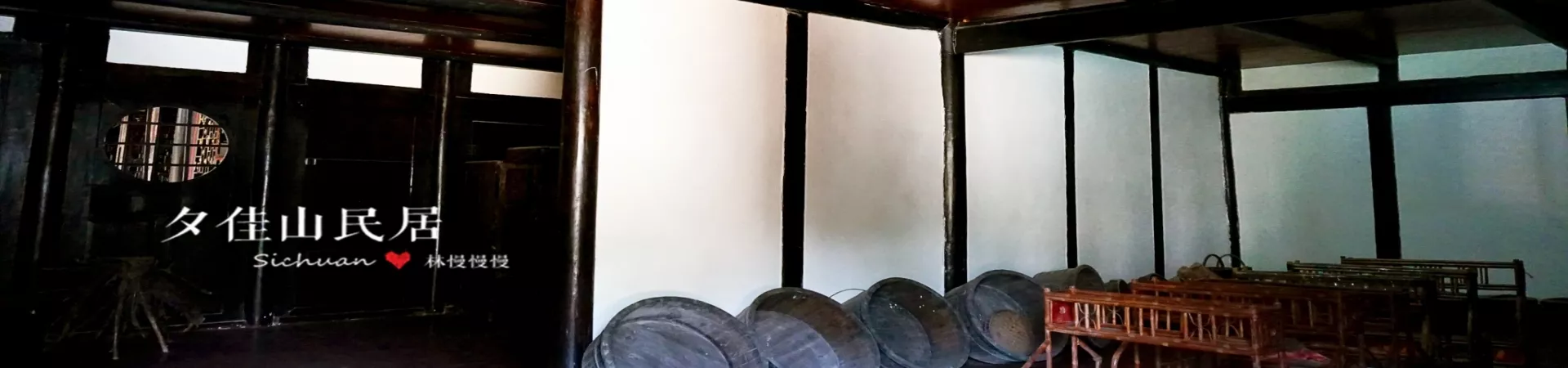
4.1. A Repository of Folk Culture As the Xijiashan Folk Museum, the site transcends its architectural role. Many of the 123 rooms have been carefully curated to display a vast collection of folk artifacts and recreations of historical settings. Exhibits typically include period furniture, traditional agricultural tools, handicrafts, clothing, and household items from the Qing and Republican eras. These displays animate the spaces, allowing visitors to visualize the daily activities, economic practices, and cultural rituals that once filled these courtyards.
4.2. The Integration with Nature The residence's design philosophy emphasizes harmony with nature. The courtyards are not merely empty spaces but are often adorned with ancient trees, potted plants, and miniature gardens. The most famous natural inhabitants are hundreds of egrets that nest in the tall trees surrounding the compound, particularly from spring to autumn. The sight of these pure white birds against the grey tiles and green foliage adds a dynamic, poetic layer to the visit, symbolizing peace and auspiciousness, and making the ecosystem an integral part of the museum's charm.
4.3. Experiencing Spatial Narrative A visit here is a walk through a narrative told by space and structure. Moving from the outer gates through the first ceremonial courtyard, past the main hall for receiving guests and honoring ancestors, and into the more secluded inner courtyards, one physically traces the boundaries between public duty and private life, between formality and familial comfort. The play of light and shadow through wooden lattices, the sound of wind rustling through the trees in the courtyards, and the panoramic view from the base of a watchtower all contribute to a deeply sensory and contemplative experience.