Wuliangye Liquor History Museum
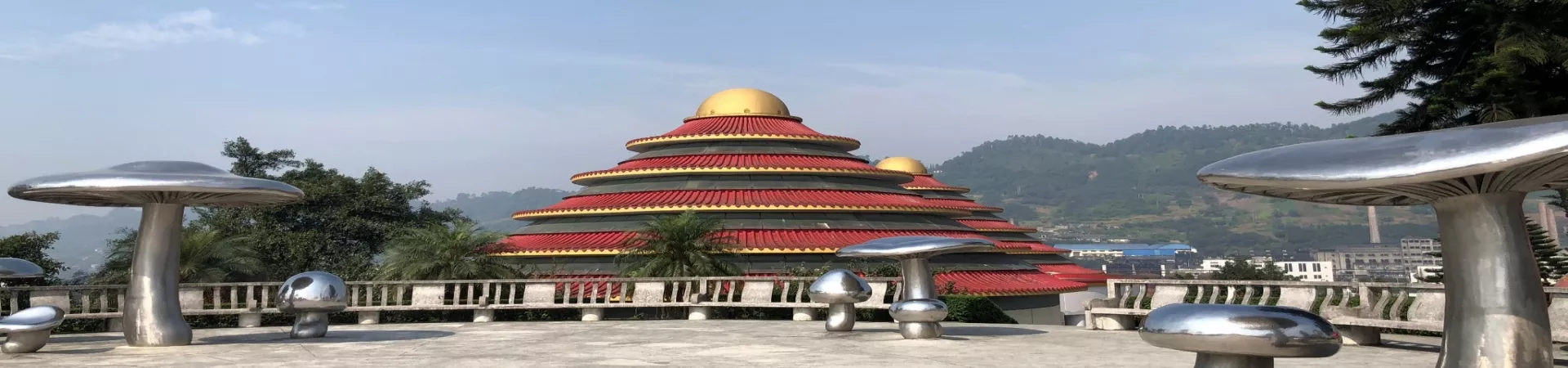
Subtitle: A Journey Through the Soul of Chinese Liquor: Exploring the Wuliangye Liquor History Museum
I. Introduction: The Spirit of a City and a Nation
Nestled within the verdant, river-laced landscape of Yibin, a city historically celebrated as the "First City on the Yangtze River," lies a repository not just of corporate history, but of a profound cultural legacy. The Wuliangye Liquor History Museum is far more than a corporate showcase; it is a gateway into the art, science, and soul of Chinese baijiu culture, with one of its most illustrious representatives at the narrative's core. For any visitor seeking to understand China's social fabric, its ceremonial traditions, and its centuries-old craftsmanship, this museum offers an immersive, aromatic journey. It transforms the abstract concept of a national drink into a tangible story of geography, human ingenuity, and timeless ritual.
II. The Architectural and Historical Setting
A. Location and Ambiance The museum is situated at the heart of the Wuliangye Group's expansive grounds in Yibin, Sichuan Province. The architecture often harmoniously blends modern exhibition space with traditional Chinese design elements, hinting at the fusion of ancient heritage and contemporary enterprise found within. The surrounding environment is integral to the experience; the air itself carries a subtle, grain-sweet fragrance emanating from the ongoing fermentation processes in nearby distilleries, setting the stage for a truly multisensory exploration.
B. The Deep-Rooted Legacy Yibin’s claim as a cradle of superior liquor is no accident. Its unique natural endowment—the mineral-rich waters from the ancient Duobi Spring and the confluence of the Jinsha and Min Rivers, coupled with a humid, subtropical climate—creates a perfect microbial ecosystem for fermentation. The museum's narrative begins by establishing this essential connection between place and product, tracing the evolution of local brewing techniques from the Han and Tang dynasties through to the formal establishment of the Wuliangye distillery in the early 20th century, which consolidated and perfected a venerable tradition.
III. A Thematic Walk Through the Museum
The exhibition is typically organized into a series of thematic halls or sections, each delving into a specific facet of the Wuliangye story and broader liquor culture.
A. Hall of Ancient Craftsmanship This section serves as the foundational chapter, transporting visitors back to the origins. It features detailed displays on: 1. The Traditional Tools: An array of ancient brewing implements, from fermentation vessels (jiaotan) and distillers (zengtong) to storage jars, illustrating the pre-industrial process. 2. The "Five Grains" Formula: A central exhibit demystifying Wuliangye's signature blend of sorghum, rice, glutinous rice, wheat, and corn. It explains the unique role each grain plays in creating the spirit's complex flavor profile—sorghum for aroma, rice for purity, glutinous rice for softness, wheat for strength, and corn for sweetness. 3. Archaeological Evidence: Pottery shards, historical documents, and replicas of ancient workshops that provide tangible proof of the region's millennia-old brewing history.
B. Hall of Technological Evolution and Innovation This segment bridges the past and present, showcasing the journey from artisan workshop to globally recognized brand. 1. The Early Distillery: Models and photographs depicting the founding workshops of the early 1900s, highlighting the figures who pioneered the unified production method. 2. Process Flow: A detailed, often large-scale model or diagrammatic walkthrough of the entire modern Wuliangye production process. This includes: * Fermentation in Unique Pit Mud: The cultivation and use of the distinctive aged fermentation pits, whose mud hosts a unique consortium of microorganisms essential for creating the base flavor. * Solid-State Distillation: An explanation of this traditional and efficient method. * Blending and Aging: Insights into the master blender's art and the significance of prolonged aging in ceramic jars to achieve harmony and maturity.
C. Hall of Cultural and Artistic Heritage Here, the narrative expands from technique to culture, examining liquor's embedded role in Chinese life. 1. Literary and Artistic Tributes: Calligraphy, paintings, and poems by famous historical and contemporary figures extolling the virtues of Wuliangye and the joy of sharing drink. This underscores baijiu's status as a muse. 2. Ritual and Ceremony: Exhibits on the role of liquor in imperial ceremonies, ancestral worship, traditional festivals (like the Lunar New Year), and life milestones such as weddings. It frames baijiu as a conduit for respect, celebration, and social bonding. 3. International Diplomacy: A display of selected bottles and photographs documenting Wuliangye's role as a national envoy at state banquets and in international exchanges, symbolizing friendship and cultural dialogue.
D. The Collection of Vintage and Specialty Liquors Often the most visually striking section, this acts as the museum's treasury. It features: 1. Historical Bottles: A chronological display of packaging and bottle design evolution over the decades, reflecting changes in taste and branding. 2. Rare and Limited Editions: Showcases of special commemorative bottles, artistic collaborations, and ultra-aged releases, some in exquisite porcelain or crystal decanters, highlighting the spirit's status as a collectible art form.
IV. Practical Information for the Visitor
- Address: Located within the Wuliangye Industrial Park, Yibin, Sichuan Province, China.
- Contact: For the most current information, visitors can contact the museum at +86 831 3565321.
- Visiting Experience: The tour typically concludes with an opportunity for a guided tasting session (where available and for eligible visitors), allowing one to apply newfound knowledge to the sensory evaluation of aroma, mouthfeel, and finish. A gift shop offers a chance to take home a bottle or related souvenirs.
- Note: It is advisable for visitors to verify opening hours, booking requirements, and tour availability in advance, as this information is subject to change. The museum's content and offerings are periodically updated to enhance the visitor experience.
Ultimately, the Wuliangye Liquor History Museum meticulously narrates the story of how local wisdom, encapsulated in a unique recipe and process, grew into a cultural icon. It moves from the microbiology of a fermentation pit to the poetry inspired by the finished product, offering a comprehensive, engaging portrait of why this particular spirit holds such a revered place in the heart of Chinese culture.