Longyinsi
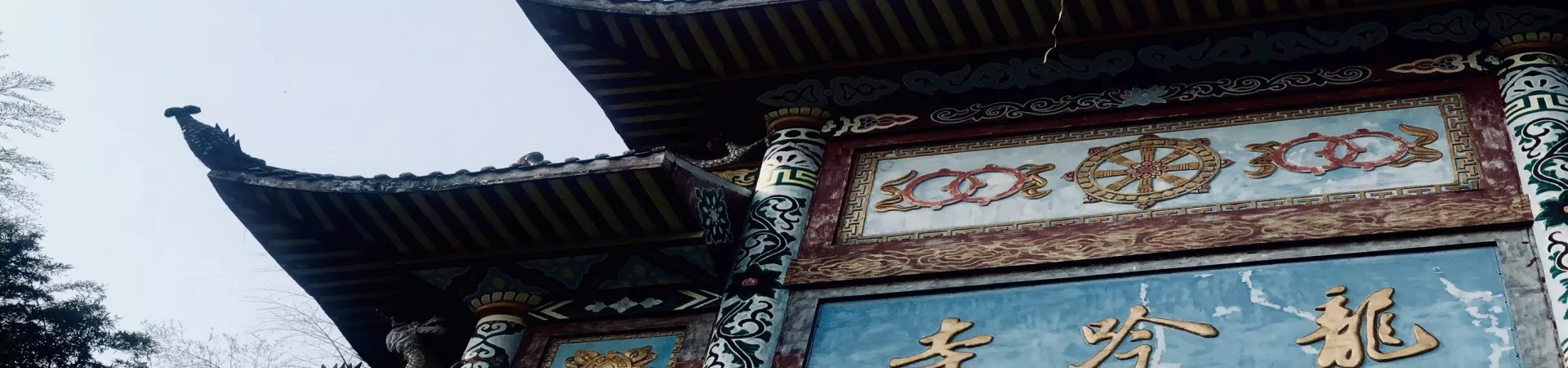
Subtitle: A Journey into Serenity: Discovering Longyin Temple in Yibin, China
1. Introduction: The Spiritual Gateway of Southern Sichuan
Nestled amidst the lush, rolling hills and the serene river landscapes of southern Sichuan, the city of Yibin serves as a captivating starting point for explorations into China's profound cultural and spiritual heritage. While renowned as the birthplace of baijiu (a strong Chinese liquor) and a crucial port at the confluence of the Min and Yangtze Rivers, Yibin also guards quieter, more contemplative treasures. Among these, Longyin Temple stands as a significant spiritual sanctuary. More than just a historical site, it is a living center of Buddhist practice and architectural artistry, offering visitors a profound escape from the modern world into a realm of tranquility, ancient wisdom, and breathtaking natural harmony. This guide delves into the essence of Longyin Temple, providing essential information and contextual understanding for a meaningful visit.
2. Historical and Cultural Significance of Longyin Temple
2.1. Origins and Legacy Longyin Temple, whose name can be poetically translated as "Dragon's Chant Temple" or "Temple of the Dragon's Recitation," is steeped in history. While the precise founding date may be traced back several centuries, the temple has long been a pivotal center for Buddhist worship and scholarly learning in the region. Its establishment is often linked to the flourishing spread of Buddhism throughout Sichuan province, with its architecture and layout reflecting classic Chinese Buddhist temple design principles that emphasize harmony with the natural environment.
2.2. Architectural Harmony and Artistic Details The temple complex is a masterpiece of traditional Chinese temple architecture. Visitors are greeted by a sequence of halls, courtyards, and pavilions that are strategically arranged along a central axis, guiding one on a symbolic journey from the mundane to the sacred.
- The Mountain Gate (Shanmen): The entrance itself sets the tone, often guarded by majestic statues of Heng and Ha, the two ferocious celestial generals, symbolizing the transition from the profane outer world into the sacred precincts.
- The Main Hall (Daxiong Baodian): This is the heart of the temple. Typically housing statues of the Sakyamuni Buddha flanked by disciples or bodhisattvas, the hall is a space for prayer and reflection. Intricate wood carvings, vibrant murals depicting Buddhist parables, and detailed roof ornaments featuring mythical creatures like dragons and phoenixes showcase exceptional craftsmanship.
- The Bell and Drum Towers: Positioned symmetrically within the complex, these towers represent the order of the universe. The bell is rung in the morning to dispel darkness (ignorance), and the drum is beaten in the evening, a practice that structures the monastic day.
- Integration with Nature: True to its name, the temple's design incorporates its surrounding landscape. Ancient trees provide shade, courtyards feature carefully tended gardens, and the overall atmosphere is one of peaceful seclusion, as if the very hills and forests are in quiet contemplation alongside the monks.
3. The Visitor Experience: A Practical Guide
A visit to Longyin Temple is as much about the immersive atmosphere as it is about viewing historical artifacts. Here’s what to expect and how to prepare for your journey.
3.1. Atmosphere and Ambiance Upon entering the temple grounds, the cacophony of the city fades, replaced by the subtle sounds of wind chimes, chanting from the halls, and the rustle of leaves. The air carries the faint, soothing scent of sandalwood incense. This environment encourages quiet introspection, meditation, or simply a mindful walk. Observing local devotees light incense, make offerings, and pray provides a genuine glimpse into living religious traditions.
3.2. Key Rituals and Observations Visitors are welcome to participate respectfully in certain aspects of temple life. * Lighting Incense: It is common for visitors to light sticks of incense at designated burners as a gesture of respect. Typically, three sticks are used, representing reverence for the Buddha, the Dharma (teachings), and the Sangha (monastic community). * Quiet Contemplation: Sitting quietly in a courtyard or before a hall is encouraged. It is a place to absorb the serenity. * Photography Etiquette: Photography is often permitted in outdoor areas and courtyards, but it is strictly prohibited inside the main halls, especially of the Buddha statues, as a sign of respect. Always look for signs or ask a monk or attendant if unsure.
4. Essential Information for Planning Your Visit
To ensure a smooth and respectful visit, please take note of the following practical details.
4.1. Location and Access Longyin Temple is located within the greater Yibin area, in Sichuan Province. While specific directions may vary, it is generally accessible by taxi or local bus from Yibin city center. The journey itself offers scenic views of the Sichuan countryside.
4.2. Admission and Operating Hours * Admission Fee: There is a modest entrance fee of 20 RMB per person. This fee contributes to the maintenance and preservation of the temple complex. * Operating Hours: The temple is open to the public daily from 9:00 AM to 5:00 PM. These hours apply throughout the year, from January 1st to December 31st. It is advisable to arrive earlier in the day to enjoy the temple at its most peaceful and to allow ample time for exploration.
4.3. Contact Information For the most current information, especially regarding special events or unexpected closures, visitors can contact the temple directly at 0831-8215830.
4.4. Visitor Guidelines and Etiquette Adhering to basic temple etiquette is crucial for preserving the sanctity of the site and showing respect for its practitioners. * Dress Code: Modest attire is required. Shoulders and knees should be covered. Avoid overly revealing or flashy clothing. * Conduct: Speak in a hushed tone. Refrain from loud conversations, shouting, or running within the compound. * Respect for Monastics: Do not disturb monks or nuns during their prayers or meditation. If you wish to interact, a simple nod or joined-hands greeting ("He Shi") is appropriate. * Preservation: Do not touch or lean on ancient artifacts, statues, or murals. Leave no litter behind.
A trip to Longyin Temple is more than a tourist stop; it is an invitation to pause, reflect, and connect with a timeless strand of Chinese spiritual culture, all within the beautiful, misty landscapes that define this remarkable corner of Sichuan.