Bowang Mountain
Subtitle: A Journey into the Mystical Karst Landscape and Ancient Bo Culture of Sichuan
1. Introduction: The Enigmatic Beauty of Bowang Mountain
Nestled within Xingwen County, Yibin City, in the heart of Sichuan Province, lies Bowang Mountain (僰王山), a captivating destination that seamlessly blends profound natural wonder with deep historical mystery. Designated as a provincial-level scenic area, this approximately 60-square-kilometer region is a masterpiece of karst topography, where water has sculpted the landscape over millennia into a realm of lush forests, sheer cliffs, and intricate valleys. More than just a geological marvel, Bowang Mountain is intrinsically linked to the ancient Bo people, an ethnic group that vanished centuries ago, leaving behind enigmatic relics that permeate the atmosphere with a sense of timeless intrigue. For the discerning traveler, it offers not merely a scenic escape but an immersive journey into a land where nature's artistry whispers tales of a lost civilization.
2. The Natural Tapestry: Waterfalls, Valleys, and Karst Formations
The soul of Bowang Mountain is animated by water. Five major streams, flowing from south to north, carve their way through the mountainous gates and deep ravines, giving birth to a spectacular and diverse array of waterfalls. Each cascade possesses its own unique character and charm, transforming the area into a dynamic symphony of falling water.
2.1. A Symphony of Cascades: The Waterfall Groups The waterfalls are the undisputed highlights. The Mengxi Diepu (Dream Stream Overlapping Waterfalls) is a breathtaking series of cascades tumbling down over several kilometers, creating a layered, rhythmic spectacle of water over stone. In stark contrast, the Longquan Pu (Dragon Spring Waterfall) plunges with powerful, direct force, resembling a white dragon soaring from its cave. The interactive Tongsheng Pu (Echo Waterfall) lives up to its name—local lore suggests that shouting three times towards it can summon a misty rain. Perhaps most magical is the phenomenon at Baopeng Gu Weipu (Treasure Basin Valley Surrounding Waterfalls), where after a rainfall, countless temporary waterfalls emerge from the valley's encircling cliffs, creating a 360-degree curtain of water.
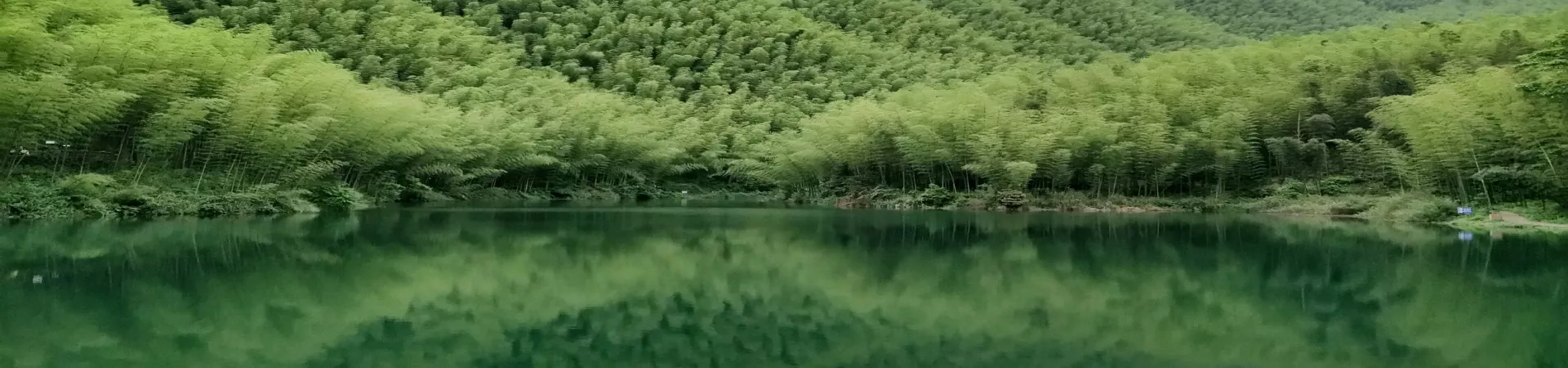
2.2. Beyond the Water: Geological Wonders and Ecology The karst foundation creates a landscape of jagged peaks, secluded gullies, and dense subtropical evergreen broad-leaved forests. The air is fresh and rich with oxygen, and the ecosystem supports diverse flora and fauna. Exploring the trails means navigating through serene bamboo groves, past unusual rock formations, and across clear, babbling streams, offering a profound sense of tranquility and connection with nature.
3. Traces of History: The Legacy of the Ancient Bo People
Bowang Mountain's history is as layered as its terrain. Known historically as "Stone Great Stockade," "Lunfu Great Fort," and "Nanchun Mountain," its strategic and spiritual significance is ancient. The mountain's most compelling historical dimension is its deep association with the Bo people.
3.1. The Vanished Civilization The Bo were a distinctive ethnic group that thrived in the border regions of Sichuan, Yunnan, and Guizhou for centuries. Known for their unique hanging coffin burials and intricate cliff paintings found elsewhere in the region, they mysteriously faded from history, particularly after military campaigns during the Ming Dynasty. Bowang Mountain is considered one of their central strongholds and cultural heartlands.
3.2. Ancient Fortifications and Cultural Echoes Throughout the scenic area, visitors encounter the tangible remnants of this lost culture. The most prominent are the ruins of ancient stockades and fortifications built along the precipitous cliffs. Walking among these stone walls and gateways, one can easily imagine the Bo people utilizing the mountain's natural defenses. While the famous hanging coffins are located in other parts of Xingwen, the presence of these fortifications, coupled with the mountain's old names referencing stockades, powerfully evokes the spirit of the Bo. The phrase "The Bo are gone today, but their ancient stockades remain, enticing and captivating the spirit" perfectly encapsulates the haunting, evocative atmosphere that history has imprinted upon the landscape.
4. Practical Visitor Information
To facilitate a smooth and enriching visit, here are the essential logistical details for planning your trip to Bowang Mountain.
4.1. Admission and Operating Hours * Ticket Price: The standard adult admission fee is 45 RMB. This pricing is consistent throughout the year. * Opening Hours: The scenic area is open daily. Operating hours are generally from 9:00 AM to 5:00 PM, with the last admission typically at 4:30 PM. Some seasonal variations may apply, with opening times occasionally starting as early as 8:30 AM. It is always advisable to confirm the exact schedule on the day of your visit.
4.2. Suggested Duration and Transportation * Suggested Visit Duration: To fully appreciate the main waterfall trails, explore the historical sites, and enjoy the natural surroundings, a minimum of 3 to 4 hours is recommended. Hikers and photography enthusiasts may wish to allocate a full day. * Location & Access: Bowang Mountain is situated in Xingwen County, under the administration of Yibin City, Sichuan. It is most conveniently accessed by private vehicle or hired taxi from Yibin or the nearby county seat. Public bus options may be available but often require transfers. * Contact: For the latest information, you can contact the scenic area management at 0831-8651333 or 0831-8659218.
4.3. Tips for Your Visit * Footwear and Clothing: Wear sturdy, comfortable walking or hiking shoes with good grip, as paths can be steep, uneven, and potentially slippery near waterfalls. Dress in layers suitable for changeable mountain weather. * Hydration and Snacks: Carry sufficient water, especially for longer walks. While there may be small vendors near the entrance, it's wise to bring some energy snacks. * Photography: The interplay of light, water, and green foliage creates exceptional photographic opportunities, particularly in the soft morning light or after rains. A waterproof case or bag for your camera is advisable near the waterfalls. * Cultural Respect: As a site of historical and natural significance, visitors are encouraged to tread lightly, stay on designated paths, and not disturb any historical remnants or the natural environment.