Monument to the Hundred Regiments Battle
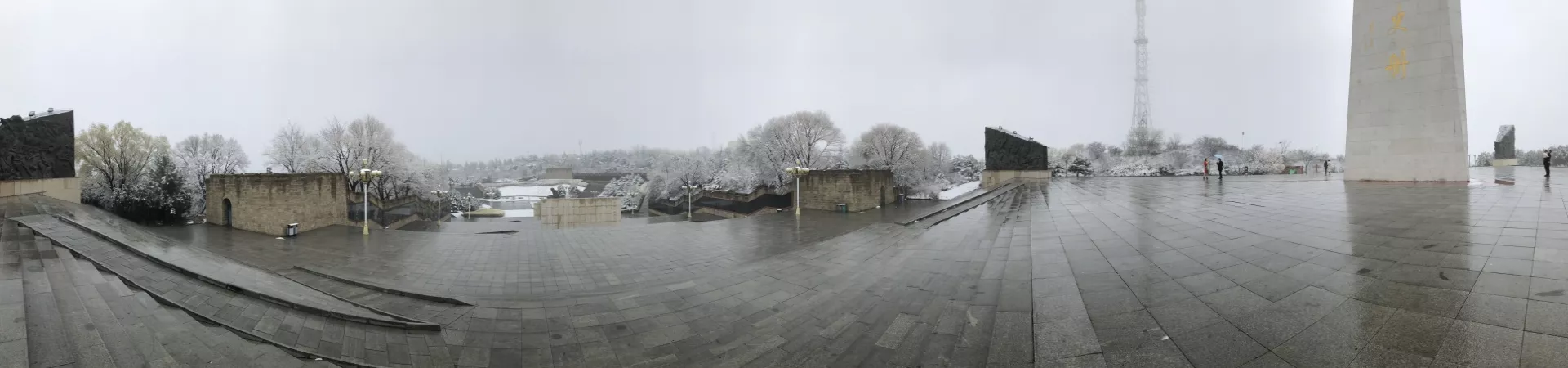
Subtitle: A Monument to Courage: Exploring the Bai tuan da zhan Memorial in Yangquan
Introduction: The Echoes of a Pivotal Battle
Nestled within the mountainous terrain of Yangquan City, in China's Shanxi Province, stands a solemn and powerful tribute to one of the most significant military campaigns of the Sino-Japanese War: the Bai tuan da zhan Memorial, often translated as the "Hundred Regiments Campaign" Memorial. This site is far more than a simple monument; it is a comprehensive historical complex dedicated to preserving the memory, understanding the strategic enormity, and honoring the profound sacrifice of the 1940 offensive. For a visitor, it serves as a poignant portal into a critical chapter of modern Chinese history, where the landscape itself seems to whisper tales of resilience and coordinated defiance against occupation. The memorial park, centered around the towering monument, uses architecture, exhibition, and curated space to guide visitors through a narrative of planning, struggle, and ultimate human cost, making it an essential destination for those seeking to comprehend the foundational struggles of mid-20th century China.
The Historical Context: Why the "Hundred Regiments"?
2.1 The Stalemate of 1940 and Strategic Imperatives By 1940, the war against the Japanese invaders had reached a tense stalemate. Japanese forces controlled major cities, railways, and communication lines across North China, employing a strategy of "cage and lock" through fortified blockhouses and railway networks to strangle resistance bases. The Communist-led Eighth Route Army, operating from base areas like the Jin-Cha-Ji border region, faced increasing pressure and isolation. The leadership, under figures like Peng Dehuai, conceived of a large-scale, coordinated offensive not merely to achieve local victories, but to shatter the enemy's logistical spine, boost national morale, and demonstrate the potency of popular resistance behind enemy lines.
2.2 The Scope and Scale of the Campaign Launched on August 20, 1940, the campaign far exceeded initial expectations in its scale. What was planned as a major railway disruption evolved into a massive, months-long operation involving 105 regiments of the Eighth Route Army (hence the name "Hundred Regiments), alongside vast numbers of local militia and supportive civilians. The primary targets were the Zhengtai Railway, the major north-south artery, and other key railways and highways in Shanxi and neighboring provinces. The battle unfolded in three main phases: an initial assault on transportation lines, a phase focused on attacking enemy strongholds that withdrew into their fortifications, and a final phase of countering the Japanese brutal retaliatory "mopping-up" operations.
The Memorial Complex: Architecture of Remembrance
3.1 The Central Monument: A Symbol Piercing the Sky The heart of the complex is the majestic main monument. Its design is rich with symbolism. The group of towering, sword-like steles, often interpreted as representing the united regiments or the thrust of the people's will, creates an impression of unyielding strength. The central obelisk, the tallest, may symbolize the central command or the overarching spirit of resistance. Built from local stone, its material connects the structure eternally to the land it defends. The angular, upward thrust of the monument against the open sky evokes a sense of eternal vigilance and sacrifice, designed to inspire reflection and respect from every vantage point.
3.2 The Exhibition Hall: Narrating the Conflict Flanking or near the monument is a dedicated exhibition hall. This indoor space is crucial for contextualizing the stone and steel outside. It typically houses a wealth of historical artifacts, including: * Military Relics: Weapons used by both Eighth Route Army soldiers and local guerrillas, often starkly contrasted with captured Japanese equipment, highlighting the disparity in resources. * Documents and Maps: Strategic maps outlining the campaign's phases, telegrams, and orders that provide insight into the military planning and challenges. * Photographic Evidence: Powerful, often gritty photographs of soldiers in combat, logistical support by civilians (especially in railway destruction), and the aftermath of battles and retaliations. * Personal Effects: Letters, diaries, clothing, and everyday items belonging to soldiers and civilians, putting a human face on the staggering statistics of participation and loss.
3.3 The Sculptural Groups and Supplementary Memorials Surrounding the main structure are often bronze or stone sculptural groups. These realistic statues depict scenes from the campaign: soldiers charging, militia laying explosives on railway tracks, nurses tending to the wounded, and civilians providing support. These frozen moments in time dramatically illustrate the "people's war" nature of the conflict. The park layout may also include walls inscribed with the names of fallen heroes, quiet groves for contemplation, and smaller monuments dedicated to specific brigades or pivotal battles within the larger campaign.
The Legacy and Modern Reflection
4.1 Tactical Success and Strategic Repercussions The immediate military outcome of the Hundred Regiments Campaign was a significant tactical success. It inflicted heavy damage on Japanese infrastructure, destroyed numerous blockhouses and mines, and boosted the confidence of the Chinese forces and people. However, it also prompted a devastating and brutal response from the Japanese army, which launched savage "Three Alls" (Kill All, Burn All, Loot All) campaigns against base areas, leading to tremendous suffering for the civilian population and forcing a strategic reassessment by the Eighth Route Army leadership. This complex legacy—of demonstrated power and incurred retaliation—is a critical part of the campaign's history that the memorial site encourages visitors to contemplate.
4.2 A Site of Education and National Identity Today, the Bai tuan da zhan Memorial serves multiple purposes. It is, foremost, a site of patriotic education, where generations of Chinese students, military personnel, and citizens learn about this chapter of the "War of Resistance Against Japan." The narrative emphasizes unity, sacrifice, and the leadership of the Communist Party in orchestrating mass resistance. Secondly, it functions as a place of veteran commemoration and family remembrance, where survivors and descendants can pay their respects. For international visitors, it offers a profound perspective on China's experience during World War II, one that is central to the nation's historical consciousness but often less highlighted in Western-centric war histories.
4.3 The Visitor Experience: Silence and Comprehension A visit to the memorial is inherently contemplative. The journey from the explanatory halls, filled with data and artifacts, to the foot of the stark, silent monument creates a powerful emotional arc. The contrast between the detailed history inside and the abstract, solemn grandeur outside allows for both intellectual understanding and emotional resonance. Standing in the plaza, looking up at the monument against the Shanxi landscape, a visitor is invited to consider the sheer scale of the mobilization, the cacophony of battle that once echoed there, and the silence that followed, now preserved as a permanent record of courage and cost. The site does not glorify war but insists on the remembrance of collective action and its price, making it a deeply moving and educational destination.