Four people working together
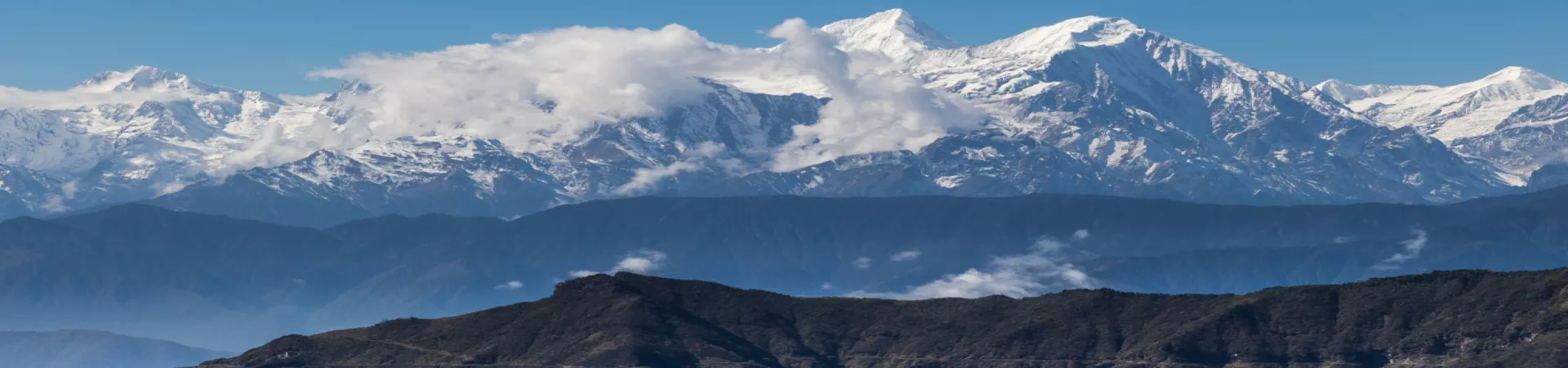
Subtitle: A Hidden Gem in the Shadow of a Giant: Discovering Siguniangtong's Untamed Beauty
Introduction: Beyond the Famous Neighbor
While the majestic Mount Niubei (Bull Back Mountain) in Ya'an, Sichuan, draws photographers and nature enthusiasts from across the globe with its legendary sea of clouds and sunrise vistas, a quieter, equally breathtaking secret lies just across the valley. Directly facing this famous peak is another summit, known locally as Siguniangtong. Its name, which intriguingly translates to "Four People Together," hints at a place of communal discovery rather than crowded tours. Siguniangtong offers a similarly spectacular, high-altitude panorama but trades overwhelming popularity for a profound sense of solitude and untouched wilderness. It represents the next frontier for seasoned travelers and photographers seeking those pristine, crowd-free moments with nature, standing as a testament to the idea that the most remarkable views are sometimes found just off the beaten path.
1. The Landscape: A Unique Topographical Marvel
1.1. Expansive Vistas from a Gentle Summit The primary allure of Siguniangtong lies in its distinctive topography. Unlike many sheer, rugged peaks in the Sichuan-Tibet region, this mountain features a comparatively gentle and broad summit area. This unique geography creates a rare and wonderful combination: a spacious, flat-ish plateau that allows for easy walking and setup of equipment, coupled with an unobstructed, 360-degree vantage point that feels on top of the world. Visitors are not clinging to a narrow ridge but are free to explore a wide area, all while enjoying commanding views that stretch to the horizon.
1.2. A Direct Confrontation with Majesty The most dramatic feature of this landscape is its direct, face-to-face orientation with the mighty Mount Niubei. From the summit of Siguniangtong, you are treated to a full-frontal, uninterrupted profile of Niubei's entire massif. This perspective transforms Niubei from a distant destination into a personal, awe-inspiring spectacle. Furthermore, the vista extends far beyond. On a clear day, the panorama encompasses a staggering sweep of the Gongga Snow Mountain (Minya Konka), the Hailuogou Glacier, and endless rolling mountain ranges that fade into the blue distance. It is a masterclass in Himalayan-scale scenery.
2. A Sanctuary for Photography and Solitude
2.1. The Emerging Photographic Paradise Siguniangtong is rapidly gaining recognition as a successor and a complement to Mount Niubei for serious landscape photography. It provides all the iconic elements: breathtaking sunrises that paint the peaks in alpenglow, vast, rolling seas of clouds that engulf the valleys below, and crystal-clear nights alive with a canopy of stars and the Milky Way. The lack of light pollution makes it an astrophotographer's dream. Crucially, because it remains less developed and known, photographers can capture these scenes without the intrusion of crowds, allowing for more creative compositions and peaceful immersion in the moment.
2.2. The Value of Seclusion In an era where famous viewpoints are often crowded, the relative obscurity of Siguniangtong is its greatest luxury. A visit here feels like a personal discovery. The silence is deeper, the air crisper, and the connection with the raw environment more intimate. It is a place for contemplation, where the only sounds are the wind and your own breath, offering a genuinely wild and remote experience that is becoming increasingly rare.
3. Practical Visitor Information
3.1. Accessibility and Time Commitment Reaching Siguniangtong requires more effort and preparation than visiting a standard tourist site, which contributes to its pristine state. The journey typically involves a drive from Ya'an or nearby towns like Lengqi or Xinglong to a starting point, followed by a moderate to challenging hike or a rugged 4x4 off-road vehicle ride up the mountain. The terrain can be rough and is highly weather-dependent. Visitors should plan for a full-day excursion to account for travel and sufficient time on the summit. Many enthusiasts choose to camp overnight in tents to experience both sunset and sunrise, though this requires proper gear and preparation for rapidly changing, cold alpine conditions.
3.2. Admission and Opening Hours One of the appealing aspects of Siguniangtong is that it is currently a free, non-commercialized natural site. There is no entrance fee or ticket to access the mountain. Furthermore, it is open 24 hours a day, all year round. However, this "always open" policy comes with a critical caveat: accessibility is entirely dictated by weather and road conditions. The mountain is often inaccessible due to snow, ice, or heavy rain from late autumn through early spring. The best and safest visiting windows are generally from late spring to early autumn (May to October), but even then, conditions can change rapidly.
4. Essential Considerations for the Trip
4.1. Safety and Preparation is Paramount A trip to Siguniangtong is an adventure, not a casual stroll. Thorough preparation is non-negotiable. Essential items include warm, layered clothing (temperatures can be below freezing even in summer), windproof and waterproof gear, sturdy hiking boots, ample food and water, a headlamp, and a reliable power bank. Due to the high altitude (over 3,500 meters), visitors must be mindful of the risks of altitude sickness and ascend gradually, staying hydrated. It is highly recommended to check detailed, recent travel logs and weather forecasts and, if possible, hire a local driver or guide familiar with the treacherous mountain roads.
4.2. Preserving the Pristine Environment As a fragile alpine ecosystem with no formal management, the responsibility for preservation lies entirely with visitors. The principle of "Leave No Trace" must be strictly followed. All trash, including organic waste, must be carried back down the mountain. Respect the natural habitat by staying on established tracks and avoiding disturbance to the local flora and fauna. The future of Siguniangtong's beauty depends on the conscientious actions of every person who makes the journey.