Shangli Ancient Town
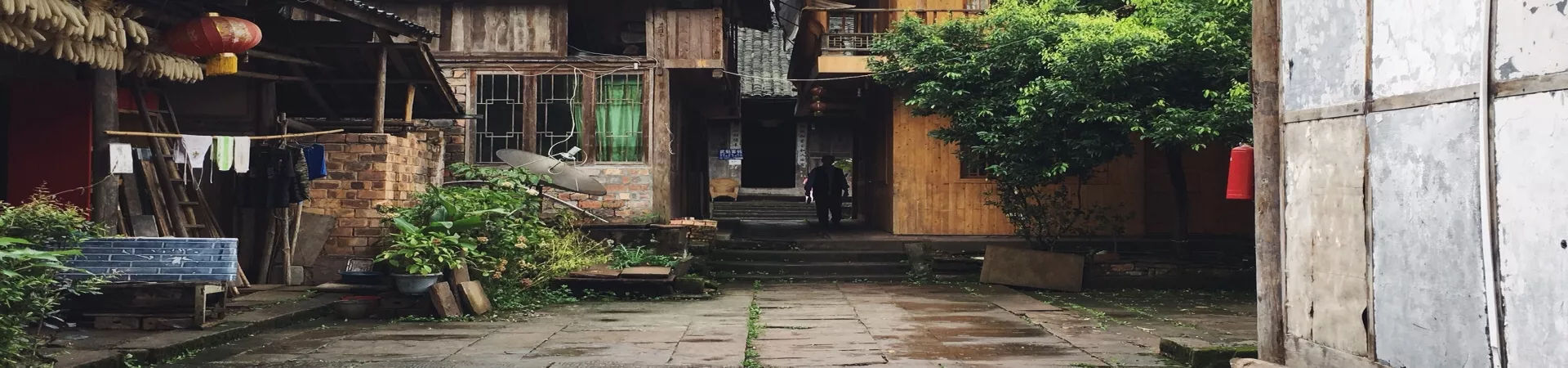
Subtitle: A Journey Through Time: Discovering the Ancient Charms of Shangli Old Town
Introduction: A Portal to History and Tranquility
Nestled against lush hills and cradled by gentle streams in the northern part of Ya'an, Sichuan Province, lies Shangli Old Town—a place where time seems to have softened its pace. Far from the clamor of overly commercialized tourist hubs, Shangli offers a rare blend of historical depth, architectural authenticity, and serene, pastoral beauty. It is a destination not merely to be visited, but to be experienced; a quiet canvas where the imprints of the ancient Southern Silk Road, the resilience of the Red Army's Long March, and the enduring simplicity of rural Sichuan life converge. This town serves as a perfect retreat for travelers seeking to immerse themselves in a landscape that is as culturally rich as it is calming.
1. A Crossroads of History and Culture
1.1. The Ancient Trade Route: Southern Silk Road Shangli's significance dates back centuries, positioned as a crucial post on the Linqiong Ancient Road, a vital artery of the legendary Southern Silk Road. This network connected the heart of China to Southeast Asia and beyond, facilitating the exchange of silk, tea, and culture. As an important relay station, Shangli would have buzzed with the activity of caravans, merchants, and travelers, absorbing influences and stories from distant lands. This historical role as a cultural and commercial conduit laid the foundational character of the town, an essence that still lingers in its old pathways and sturdy bridges.
1.2. A Footprint in Modern History: The Long March Adding a profound layer to its narrative, Shangli is remembered as a passage point for the Red Army during the epic Long March in the mid-1930s. As soldiers traversed this region on their strategic northward journey, the town and its surroundings became part of a pivotal chapter in modern Chinese history. This legacy intertwines with the older tales of trade routes, making Shangli a unique tapestry where different epochs of struggle, movement, and perseverance meet.
2. The Architectural and Natural Landscape
2.1. Vernacular Architecture: Stilted Houses and Courtyards The visual charm of Shangli is immediately defined by its well-preserved vernacular architecture. The most distinctive features are the ancient stilted buildings (diaojiaolou), whose wooden structures are elegantly poised over water or on slopes. These buildings, with their clean, Ming and Qing dynasty-influenced aesthetics, reflect a harmonious adaptation to the humid, mountainous environment. Walking through the town, one encounters cobblestone streets flanked by these wooden houses, their aged facades telling silent stories of generations past.
2.2. Bridges Over Peaceful Waters The town's relationship with water is beautifully articulated through its array of ancient and modern arched bridges. Spanning the clear streams that weave through Shangli, these bridges vary in style and age, from simple, time-worn stone arches to more elaborate structures. They are not just crossings but integral parts of the landscape, offering picturesque views and serving as focal points for contemplation and photography.
2.3. An Embrace of Nature: Hills, Streams, and Fields Shangli is beautifully described as "backed by mountains, faced by water, with fields and small hills." This idyllic setting is central to its appeal. The town is surrounded by verdant, rolling hills and productive farmland. Quiet streams meander through, their murmur a constant soundtrack. This peaceful, rural scenery—where wooden cottages blend into patches of farmland and wooded knolls—creates an atmosphere of profound tranquility, inviting visitors to take leisurely strolls and simply breathe in the calm.
3. Key Sites of Interest
3.1. The "Shuangxiao Jie" Memorial Archway This ornate stone archway stands as a monument to local historical values, commemorating feudal virtues of filial piety and chastity. Its detailed carvings and inscriptions offer a window into the social mores and artistic craftsmanship of its time, providing a tangible connection to the town's ancestral heritage.
3.2. The Han Family Compound As a representative example of a traditional wealthy family's residence, the Han Family Compound showcases the layout and lifestyle of a bygone era. Exploring its courtyards, rooms, and architectural details allows visitors to imagine the domestic life and social stature of one of Shangli's prominent historical families.
3.3. Baima Quan (White Horse Spring) Located near the town, Baima Quan is a natural spring with a unique phenomenon. At irregular intervals, the spring water surges with a sound reminiscent of galloping hooves, followed by a release of bubbles. This fascinating natural spectacle is steeped in local legend and adds an element of mystical wonder to the visit.
4. Practical Information for Visitors
4.1. Atmosphere and Experience A defining characteristic of Shangli is its absence of intense commercialization. The town remains relatively quiet and authentic, with fewer crowds and a genuinely laid-back atmosphere. This makes it an ideal spot for travelers wishing to escape urban frenzy and enjoy a slow, uninterrupted engagement with history and nature.
4.2. Admission and Opening Hours Admission to Shangli Old Town itself is free, allowing for unrestricted exploration of its main lanes and public spaces. Specific attractions like the Han Family Compound may have separate, modest fees. The town is open to visitors all day, every day of the year, offering flexibility for travel plans.
4.3. Suggested Duration and Contact To fully appreciate the town's ambiance, explore its key sites, and wander the surrounding countryside, a visit of three hours or more is recommended. For inquiries, local tourism information can be reached via 0835-2327119 or 0835-2316596.
(Information last updated: August 31, 2023)