erlangshan tunnel
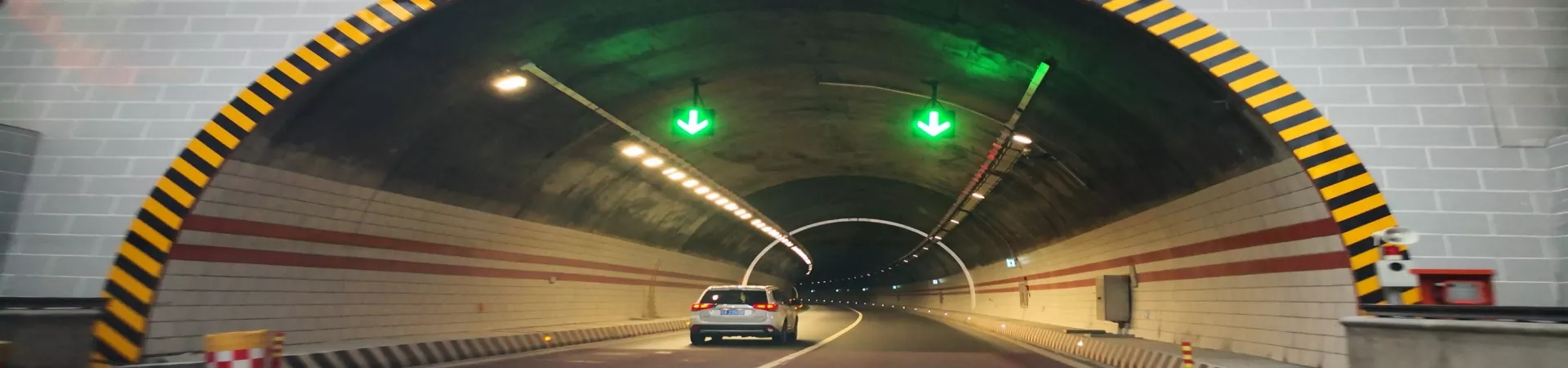
Subtitle: A Gateway Through the Clouds: Unveiling the Erlangshan Tunnel on China's Sichuan-Tibet Highway
1. Introduction: Conquering the "First Barrier"
Nestled within the dramatic landscape where the prefecture of Ya'an in Sichuan Province meets the Tibetan Autonomous Prefecture of Garzê, lies a monumental feat of modern engineering: the Erlangshan Tunnel complex. This project is far more than just a passage through rock; it is the vital, transformed咽喉工程 (yānhóu gōngchéng, throat project) of the legendary Sichuan-Tibet Highway (G318). For decades, the formidable Erlang Mountain posed the "first formidable barrier" for travelers and transporters heading towards the Tibetan plateau. Its treacherous, winding old road was notorious for being narrow, prone to landslides, fog-bound, and icy—a severe bottleneck that tested nerves and hampered connectivity. The construction of this tunnel system heralded a new era, taming this ancient obstacle and dramatically reshaping the journey between the plains of Sichuan and the highlands of Tibet.
2. Engineering Marvel: Specifications and Scope
The Erlangshan Tunnel project is a comprehensive infrastructure endeavor designed to bypass the most hazardous section of the mountain. Its precise specifications underscore the scale of the challenge it overcame.
2.1. Route and Components The project begins at Longdanxi in Tianquan County and terminates at Bietuoshan in Luding County. The entire renovated route spans 8,596 meters. Its core consists of two main tunnels: * The Main Erlangshan Tunnel: Accounting for the majority of the passage, this tunnel stretches an impressive 4,176 meters. * The Bietuoshan Tunnel: A shorter but crucial 101-meter tunnel. Linking these subterranean passages is the Hepinggou Bridge, a 118-meter structure that spans a deep ravine, integrating the tunnel system seamlessly into the mountainous terrain. The road is classified as a Class III mountainous highway, designed for heavy-duty traffic navigating complex topography.
2.2. High-Altitude Achievement One of the defining characteristics of this engineering feat is its elevation. The tunnel portal sits at approximately 2,200 meters above sea level. Constructing a stable, safe, and ventilated tunnel at such an altitude, with the associated geological and weather challenges, required advanced technology and immense effort. The total investment for this transformative project reached approximately 470 million Chinese Yuan (RMB), a testament to its strategic national importance.
3. The Transformative Impact: From Perilous Journey to Accessible Passage
The completion of the Erlangshan Tunnel has had a profound and multifaceted impact, revolutionizing travel along this critical corridor.
3.1. Safety and Efficiency The most immediate and vital change has been in safety. By bypassing over 20 kilometers of the most dangerous winding roads on the old pass, the tunnel has virtually eliminated the risks associated with sharp cliffs, blind corners, and frequent weather-induced closures. Journeys that were once unpredictable and could take several hours to cross the mountain in poor conditions are now reduced to a smooth, roughly 10-minute drive through the well-lit tunnel. This reliability is crucial for local commuters, commercial transport, and tourism alike.
3.2. Economic and Social Connectivity The tunnel serves as a powerful engine for regional development. It ensures year-round, all-weather access, facilitating the faster and cheaper movement of goods, which stimulates trade and economic growth in both Ya'an and the Ganzi Prefecture. For the remote communities on the Tibetan plateau, it has enhanced access to services, markets, and opportunities, fostering greater social and economic integration.
3.3. A New Perspective for Travelers For tourists and adventure seekers, the tunnel has fundamentally altered the Sichuan-Tibet travel experience. While the old road offered dramatic, adrenaline-fueled views at a high cost of time and risk, the tunnel provides efficiency and accessibility. It allows travelers to conserve energy and time for the countless other splendors along the G318. Importantly, the old mountain road often remains accessible for hiking or off-road exploration, offering a choice between nostalgic adventure and modern convenience. The tunnel itself, with its sheer length and the knowledge of the mountain above, has become a point of interest—a monument to human ingenuity in overcoming natural barriers.
4. Practical Visitor Information
For those planning to traverse this iconic passage, here is essential practical information.
4.1. Location and Access The tunnel is an integral, active part of the Sichuan-Tibet Highway (National Highway G318). There is no separate "entrance" to the tunnel itself; you will encounter it naturally when traveling by road between Ya'an's Tianquan County and Ganzi's Luding County. It is accessible only by vehicle.
4.2. Visiting Details * Time Reference: Driving through the entire tunnel complex typically takes less than 10 minutes. However, visitors should allocate additional time for the overall journey on the G318 and potential stops at viewing areas nearby. * Opening Hours: The tunnel operates as a 24-hour public highway. However, access might be regulated during extreme weather events or for maintenance. Standard traffic flows are continuous. * Admission/Fee: There is no toll or entrance fee for passenger vehicles to use the Erlangshan Tunnel. It is a free public highway. For the most current information regarding any vehicle restrictions (e.g., for large trucks), it is advisable to check local traffic reports. * Best Times to Visit: The tunnel is operational year-round. However, the surrounding scenery is most vibrant from spring to autumn (April to October), when the mountains are green or adorned with autumn colors. While the tunnel itself is immune to surface weather, approaches can be slick in winter, so caution is advised.
4.3. Travel Tips 1. Prepare for Altitude: Although brief, the tunnel portal is at 2200m. Those sensitive to altitude may begin to feel effects, so it's wise to be acclimatized. 2. Obey Traffic Rules: Maintain a safe speed inside the tunnel, use headlights, and do not stop unless in an emergency. The tunnel is monitored for safety. 3. Explore the Context: Consider stopping at designated viewpoints before or after the tunnel to appreciate the scale of the mountain you are passing through and to see the old, winding road snaking above. 4. Combine with Local Attractions: The tunnel is a key transit point. Plan visits to nearby destinations like the majestic Hailuogou Glacier Park or the historic Luding Bridge to enrich your journey.
Information last verified: January 2023.