Erlang Mountain (Tianquan County, Ya'an)
Subtitle: A Traveler's Guide to Erlang Mountain in Tianquan County, Ya'an, China
1. Introduction to Erlang Mountain Nestled within the dramatic landscape of Tianquan County in Ya'an City, Sichuan Province, Erlang Mountain stands as a formidable and historically significant peak in the Hengduan Mountain Range. More than just a natural landmark, it serves as a crucial geographical and cultural gateway. For centuries, it has been the daunting barrier and essential passage on the ancient tea-horse road between the Sichuan Basin and the Tibetan Plateau. Today, while its challenges have been mitigated by modern engineering marvels like the Erlang Mountain Tunnel, the mountain itself remains a destination for those seeking profound natural beauty, rich history, and a tangible connection to China's engineering triumphs. The area is characterized by its lush forests, diverse ecosystems, variable high-altitude weather, and a sense of serene isolation, offering a stark contrast to the urban centers of Sichuan.
2. Historical and Cultural Significance 2.1. The Ancient Tea-Horse Road Erlang Mountain's primary historical importance stems from its role on the legendary Southern Silk Road, specifically the treacherous Tea-Horse Ancient Road. For hundreds of years, caravans laden with tea from Ya'an (a historic tea-producing hub) and other goods from central China would undertake the perilous journey over this mountain pass to trade for horses and other commodities with Tibetan communities. The climb over Erlang Mountain was notoriously difficult, often cited as the most dangerous section of the route due to its steep, narrow paths, unpredictable weather, and high altitude. The mountain pass itself became a symbol of perseverance, trade, and cultural exchange between diverse ethnic groups.
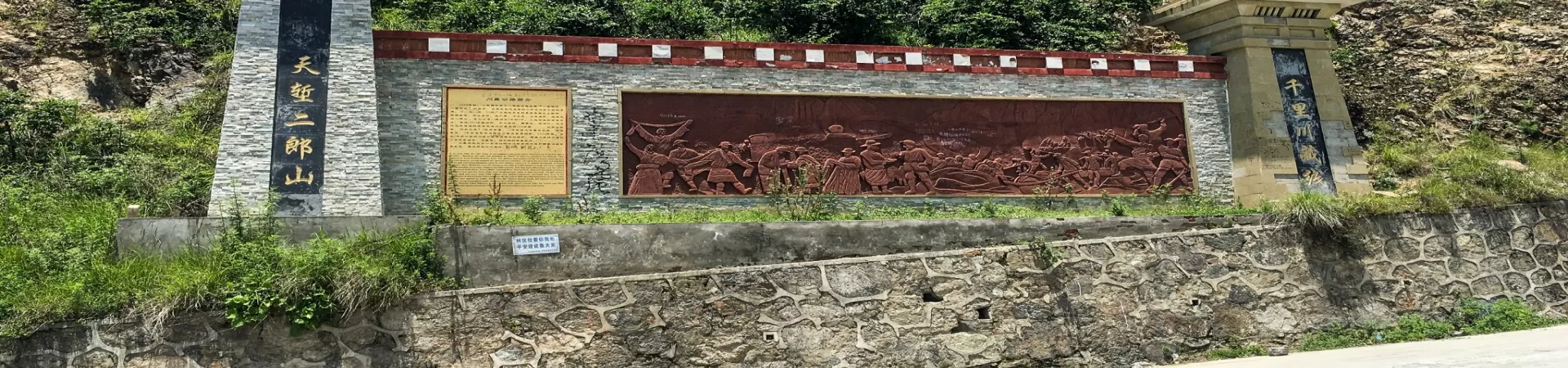
2.2. A Monument to Modern Engineering: The Erlang Mountain Tunnel The mountain's modern narrative is inextricably linked to a feat of 20th-century engineering. Before the completion of the national highway, crossing Erlang Mountain was an arduous task even for vehicles. The construction of the Erlang Mountain Tunnel, a key component of the Sichuan-Tibet Highway, revolutionized travel. When it opened in the 1990s, it drastically reduced travel time and eliminated the dangers of the old mountain road. This tunnel is not merely a convenience; it represents a pivotal moment in connecting and developing western China. The old winding road over the summit, now mostly abandoned to nature, serves as a silent monument to the past, while the tunnel buzzes with the activity of the present.
3. The Natural Environment and Scenery 3.1. Biodiversity and Forests The slopes of Erlang Mountain are blanketed in dense, pristine forests, forming part of the larger regional ecosystem known for its high biodiversity. The vegetation changes distinctly with altitude, ranging from broad-leaved evergreen forests at lower elevations to coniferous forests and finally to alpine scrub and meadows near the summit. This environment provides a habitat for various wildlife, including rare bird species and smaller mammals. The air is fresh and crisp, and the forest trails offer a deeply immersive experience in nature, with the sounds of rustling leaves and flowing streams providing a constant soundtrack.
3.2. Climate and "Kongzhong Garden" Phenomenon The climate on Erlang Mountain is a classic example of a highland monsoon climate. Conditions can change rapidly, and visitors may experience "four seasons in one day." The mountain is often shrouded in mist and clouds, creating a mystical, almost ethereal atmosphere. This frequent cloud cover contributes to a unique ecological phenomenon where mosses, lichens, and epiphytic plants thrive on the trees and rocks, forming what locals poetically call a "Kongzhong Garden" or "Garden in the Air." After rain, this verdant, dripping world is particularly vibrant and photogenic.
3.3. Panoramic Vistas On clear days, particularly after rain when the air is washed clean, the vistas from strategic points on or around Erlang Mountain are breathtaking. One can look out over endless rolling ridges of the Hengduan Mountains. In the distance, on exceptionally clear days, the majestic, snow-capped peaks of the Gongga Mountain (Minya Konka), the highest mountain in Sichuan, can be seen piercing the horizon. This spectacular view is a reward for visitors and a powerful reminder of the scale of the Tibetan Plateau's eastern fringe.
4. Practical Visitor Information 4.1. Location and Access Erlang Mountain is situated in Tianquan County, under the administration of Ya'an City. The most common access route for visitors is via the G318 National Highway (the Sichuan-Tibet Highway). The mountain straddles the border between Tianquan County and Luding County. The key landmark for modern travelers is the Erlang Mountain Tunnel. The old mountain road that snakes over the summit is still physically present but is not maintained for through traffic and is best explored cautiously on foot or with local guidance.
4.2. Opening Hours A significant advantage for visitors is the site's accessibility. The natural landscape of Erlang Mountain and the surrounding scenic areas are open to the public 24 hours a day, every day of the year. This round-the-clock access means you can plan your visit to coincide with sunrise or sunset for the best photographic light, or simply enjoy the flexibility to explore without time constraints. However, it is crucial to note that while the area itself is always open, accessibility can be severely affected by weather conditions, especially in winter when snow and ice may block roads or make trails hazardous.
4.3. Travel Tips and Recommendations * Best Time to Visit: Late spring (May-June) and autumn (September-October) generally offer the most stable weather, with comfortable temperatures, clear skies, and lush or colorful foliage. * Altitude Awareness: The mountain pass exceeds 3,000 meters above sea level. Visitors should be mindful of the potential for altitude sickness. Ascend gradually, avoid strenuous activity upon arrival, stay hydrated, and allow time for acclimatization. * Weather Preparedness: The weather is highly unpredictable. Even in summer, temperatures can drop sharply. Essential items include layered clothing, a waterproof and windproof jacket, sturdy hiking boots, sunscreen, and sunglasses. * Safety First: If venturing onto the old mountain roads or off designated paths, exercise extreme caution. Let someone know your plans, travel with a companion if possible, and be aware that mobile phone signals can be unreliable in remote areas. Always prioritize safety over reaching a particular viewpoint. * Local Guidance: Consider hiring a local guide for deeper insights into the history, ecology, and hidden trails of the area. They can greatly enhance your understanding and ensure a safer exploration. * Combination Trip: Erlang Mountain is ideally visited as part of a broader itinerary in western Sichuan. It can be combined with trips to the nearby Hailuogou Glacier Park, the historic town of Luding with its famous iron-chain bridge, or the panda research bases in Ya'an, making for a diverse and enriching travel experience.