Dawa Genza
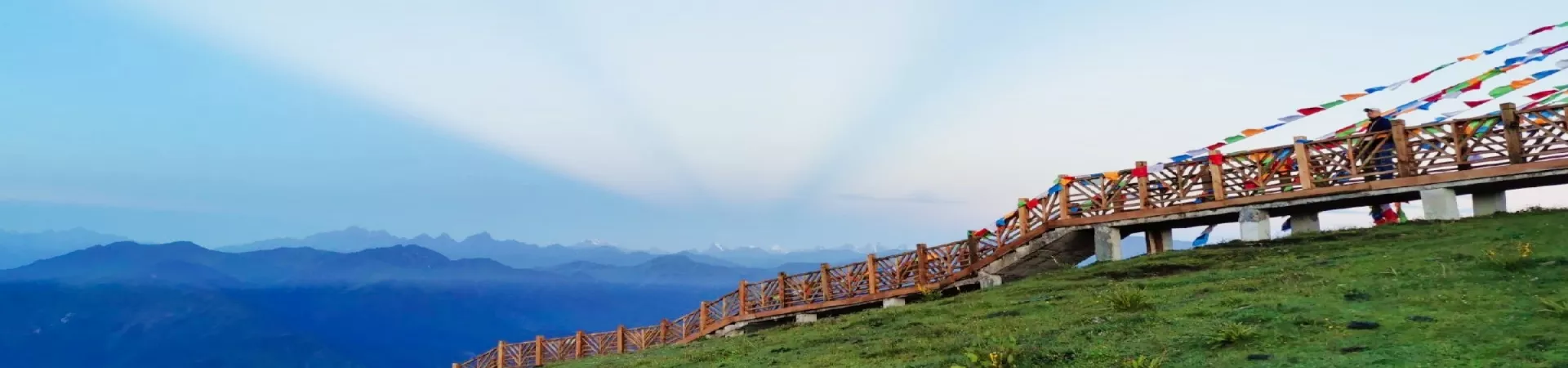
Subtitle: A Guide to Dawagengzha, Ya'an's Hidden Gem with Breathtaking Mountain Views
Introduction
Nestled within Gari Village, Qiaoqi Tibetan Township of Baoxing County in Ya'an City, Sichuan Province, lies Dawagengzha, a mountain peak often revered as the "younger sister" of the famous Four Sisters Mountain (Siguniangshan). With an elevation of approximately 3,900 meters, this destination remains a relatively untouched realm of natural grandeur, offering one of the most spectacular panoramic vistas in the region. It is a place for the intrepid traveler seeking raw, unfiltered beauty rather than commercialized comforts. The area is not yet fully developed for tourism, meaning infrastructure is minimal, but the rewards for those who make the journey are immense: a 360-degree mountain spectacle that is nothing short of breathtaking.
1. The Unparalleled Panorama
The primary allure of Dawagengzha is its summit view, a sweeping horizon that connects several of Sichuan's most sacred and majestic mountain ranges.
1.1. The Northern Vista: Four Sisters Mountain Gazing northwards from the peak, the iconic silhouette of the Four Sisters Mountain dominates the skyline. This view offers a unique and intimate perspective on these legendary peaks, particularly the "youngest sister," to which Dawagengzha is poetically related.
1.2. The Southern Vista: Mount Gongga (Minya Konka) Turning to the south, on clear days, the mighty Mount Gongga comes into view. As the highest peak in Sichuan and the easternmost of the world's 7,000-meter-plus mountains, its snow-capped summit, often shrouded in clouds, presents a awe-inspiring sight.
1.3. The Western Vista: The Gongga Mountain Range The view to the west extends beyond the main peak to encompass the sprawling Gongga Mountain Range. This sea of jagged, snow-dusted peaks stretches towards the horizon, a powerful testament to the geological forces that shaped this region.
2. A Tapestry of Natural Landscapes
The journey to and presence on Dawagengzha is as captivating as the summit view itself. The mountain's slopes are a rich mosaic of diverse ecosystems and scenery.
2.1. Diverse Terrain and Ecology The ascent reveals a changing landscape. Dense forests give way to open alpine meadows and grasslands, while deep-cut valleys hint at the powerful erosion of time. Serene, unnamed alpine lakes, like gems scattered across the highland, reflect the vast sky.
2.2. Atmospheric Phenomena: Cloud Sea and Golden Sunrise Two transient, magical phenomena elevate a visit from memorable to sublime. Under the right conditions, a thick, rolling cloud sea forms below the summit, creating an illusion of standing atop a floating island. At dawn, during the "Sunshine over Golden Mountain" moment, the first rays of the sun strike the peaks of the distant Gongga range, setting them ablaze in a brilliant, fiery gold—a sight considered profoundly auspicious and a pinnacle experience for any mountain visitor.
3. Practical Information for Visitors
Due to its semi-developed status, planning a trip to Dawagengzha requires careful attention to practical details.
3.1. Tickets and Fees Access to the mountain area requires both an entrance ticket and a mandatory shuttle bus ticket.
- Entrance Ticket: A flat-rate ticket is 140 RMB for adults. Discounted tickets are available at 110 RMB for verified full-time students.
- Shuttle Bus: The bus fare is 80 RMB per person. This ride is essential as private vehicles are generally not permitted on the steep access road.
- Special Notes: Children under 1.2 meters in height enjoy free entrance and shuttle bus. Military personnel with valid ID and seniors aged 65 and over are exempt from the entrance fee but must purchase the shuttle bus ticket. It is highly recommended to confirm all details, especially discount eligibility, with the official ticket office prior to your visit, as policies can be subject to change.
3.2. Operating Hours and "Sunrise Tickets" The mountain is open from 4:20 AM to 5:00 PM, with the last entry permitted at 3:00 PM. A unique feature is the "Sunrise Ticket," which is identical in price to the standard ticket but is specifically intended for visitors aiming to reach the summit for dawn. The validity period for sunrise entry is from 4:40 AM to 3:00 PM, which shifts to an earlier 2:00 AM to 3:00 PM during national holidays and peak seasons to accommodate the influx of visitors.
4. Essential Travel Tips and Considerations
A successful visit hinges on understanding the rustic nature of the destination.
4.1. Accommodation and Services It is crucial to note that there are absolutely no lodging or dining facilities on the mountain summit. All visitors must arrange accommodation in advance in the villages at the base of the mountain, such as in Qiaoqi Tibetan Township. Planning your stay here is the first and most critical step.
4.2. Physical Preparation and Packing The high altitude (3,900m) demands respect. Visitors should be in good health, ascend slowly to acclimatize, and be vigilant for symptoms of altitude sickness. The weather is notoriously cold, windy, and changeable. Essential items include layered, warm, windproof clothing, sturdy hiking shoes, sunglasses, sunscreen, lip balm, high-energy snacks, and plenty of water. A headlamp or flashlight is mandatory for those attempting the sunrise hike in the early morning darkness.
4.3. Final Advisory Always check the latest weather forecast and confirm the exact operating hours and ticket policies directly with the local management on the day before your intended visit, as conditions in mountainous areas can lead to unexpected closures or adjustments.