Yunlong Mountain
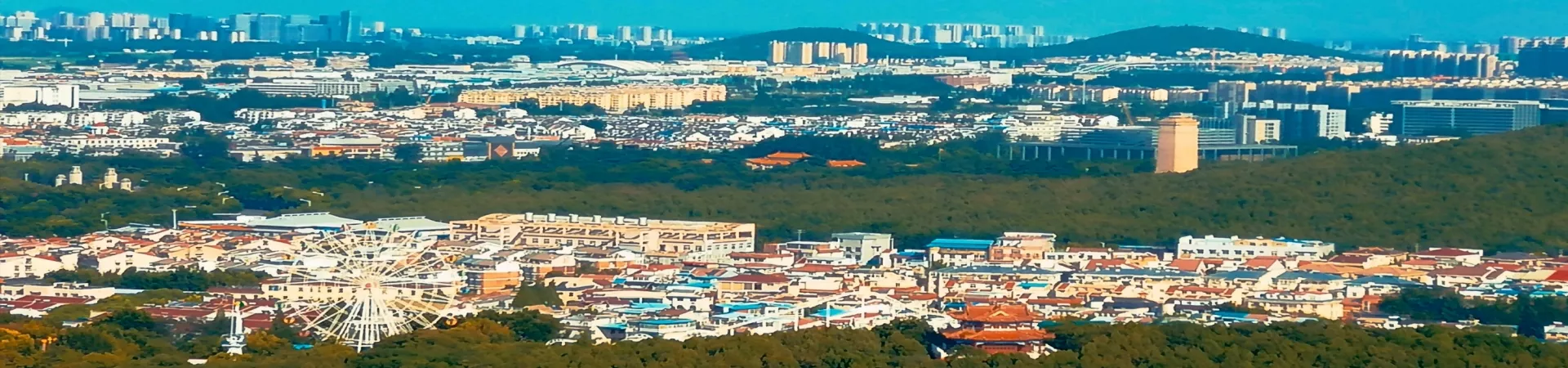
Subtitle: A Comprehensive Guide to Xuzhou's "Cloud Dragon Mountain"
Introduction Yunlong Mountain, or Cloud Dragon Mountain, stands as one of the most renowned peaks in northern Jiangsu Province and a cornerstone of Xuzhou's natural landscape. This scenic area is characterized by its striking, jagged rock formations and serene, beautifully forested valleys. The mountain derives its poetic name from its frequent shroud of mist and clouds, which, combined with its physical shape, creates the impression of a coiling dragon. Comprising nine distinct hill sections stretching in a north-south direction, Yunlong Mountain offers visitors a captivating blend of natural beauty, historical significance, and cultural depth, making it an essential destination for any traveler to Xuzhou.
1. Geological and Natural Features 1.1. The Form of the Dragon The most defining characteristic of Yunlong Mountain is its topography. The nine successive hilltops, arranged in a long, undulating chain, vividly resemble the sinuous body of a Chinese dragon lying atop the land. This natural morphology is the primary source of its name. Hiking along its ridges provides a physical journey along the "dragon's back," with each of the nine sections offering slightly different vistas and atmospheres.
1.2. Landscape and Vegetation The mountain's scenery is dominated by two key elements: rock and forest. Ancient, weathered boulders and cliffs protrude dramatically from the hillsides, creating a rugged and timeless aesthetic. These are harmoniously balanced by lush, dense woodlands that fill the ravines ("林壑"). The combination results in a landscape of "幽美" (secluded beauty)—tranquil, deep, and picturesque. The microclimate often blankets the slopes in soft clouds or mist, especially in the early morning or after rain, enhancing the mystical, serene ambiance and fully living up to the "cloud" in its name.
2. Historical and Cultural Significance 2.1. A Repository of History Beyond its natural allure, Yunlong Mountain is a cultural treasure trove. Its slopes and caves have been sites of human activity and reverence for centuries. The mountain is home to ancient Buddhist grottoes, stone inscriptions, and historically significant pavilions and temples that date back to various dynasties, including the Northern Wei and Ming.
2.2. Key Cultural Sites 2.2.1. Yunlong Mountain Buddhist Grottoes: These are among the most important cultural relics on the mountain. The stone carvings and Buddha statues within these caves showcase exquisite craftsmanship and provide invaluable insights into the region's religious art history. 2.2.2. Xinghua Temple: Located on the mountainside, this ancient temple adds a spiritual dimension to the visit. Its architecture and peaceful setting reflect the deep integration of Buddhist culture with the natural environment. 2.2.3. The Cliff Inscriptions: Scattered across the mountain rocks are numerous inscriptions from past literati and officials, recording poems, thoughts, and events, turning the mountain itself into an open-air museum of calligraphy and historical testimony.
3. Practical Visitor Information 3.1. Admission and Opening Hours One of the most appealing aspects of Yunlong Mountain is its accessibility. Admission to the mountain scenic area is free of charge. It is open to visitors daily from 07:00 to 21:00, with the last entry permitted until 21:00. This allows for flexibility in planning, whether for a morning hike, an afternoon exploration, or a peaceful evening walk to enjoy the city lights from above.
3.2. Suggested Duration To fully appreciate the main paths, key cultural sites, and the panoramic views from different sections, a visit of 3 hours or more is recommended. This allows for a leisurely pace to hike, explore historical spots, and take photographs without feeling rushed.
4. Transportation and Access 4.1. Public Transportation Reaching Yunlong Mountain is straightforward via Xuzhou's public bus system. Visitors can take bus routes 41, 47, or 63 and alight at the Yunlong Mountain Cable Car (云龙山索道) bus stop. From there, the entrance to the mountain trails is within easy walking distance. This makes it a convenient trip from various points within the city.
4.2. Additional Options For those seeking a different perspective, the Yunlong Mountain Cable Car provides an aerial route over parts of the landscape, leading to adjacent scenic areas like Yunlong Lake. Taxis and ride-hailing services are also readily available in Xuzhou for direct door-to-mountain access.
5. The Visitor Experience 5.1. Hiking and Exploration The primary activity is hiking along the well-maintained paths that connect the nine hill sections. The trails vary in difficulty, offering options for both casual walkers and more enthusiastic hikers. The climb is rewarded with progressively more expansive views of Xuzhou city and the surrounding countryside.
5.2. Panoramic Vistas The summit areas, particularly from viewing pavilions like Wanghuang Pavilion (放鹤亭) and Gazing Lake Tower (眺望台), offer breathtaking panoramic views. On one side, the modern skyline of Xuzhou unfolds, while on the other, the serene expanse of Yunlong Lake and the natural landscape create a perfect harmony of urban and natural scenery.
5.3. A Retreat in Nature Despite its proximity to the city, Yunlong Mountain serves as a vital green lung and a peaceful retreat. The sound of wind through the trees, the sight of mist curling around ancient rocks, and the fresh mountain air provide a refreshing escape from urban bustle, fulfilling the Chinese ideal of finding spiritual renewal in nature.
Information last updated: January 11, 2023. Credit and thanks to contributing editors from the travel community.