Xuzhou Museum
A Comprehensive Guide to Xuzhou Museum: Where History Comes Alive
Nestled in the heart of Xuzhou, a city steeped in over six millennia of history, the Xuzhou Museum stands as a premier cultural institution and a must-visit destination for anyone seeking to understand the soul of ancient China. Far more than a simple repository of artifacts, it is a vibrant cultural complex where history, art, and nature harmoniously intertwine. The museum masterfully integrates three distinct exhibition areas—the Exhibition Building, the Qianlong Imperial Travel Palace, and the Tushan Han Dynasty Tomb—each offering a unique window into different eras and aspects of Chinese civilization. As the region's central hub for archaeological research, collection, and education, the museum presents nearly a thousand exquisite cultural relics, transforming a visit into an immersive journey through time, from the majestic Han Dynasty to the refined artistry of the Qing.
I. Exploring the Core Exhibition Areas
The museum's layout is thoughtfully designed to guide visitors through a chronological and thematic exploration of Xuzhou's, historically known as Pengcheng, glorious past.
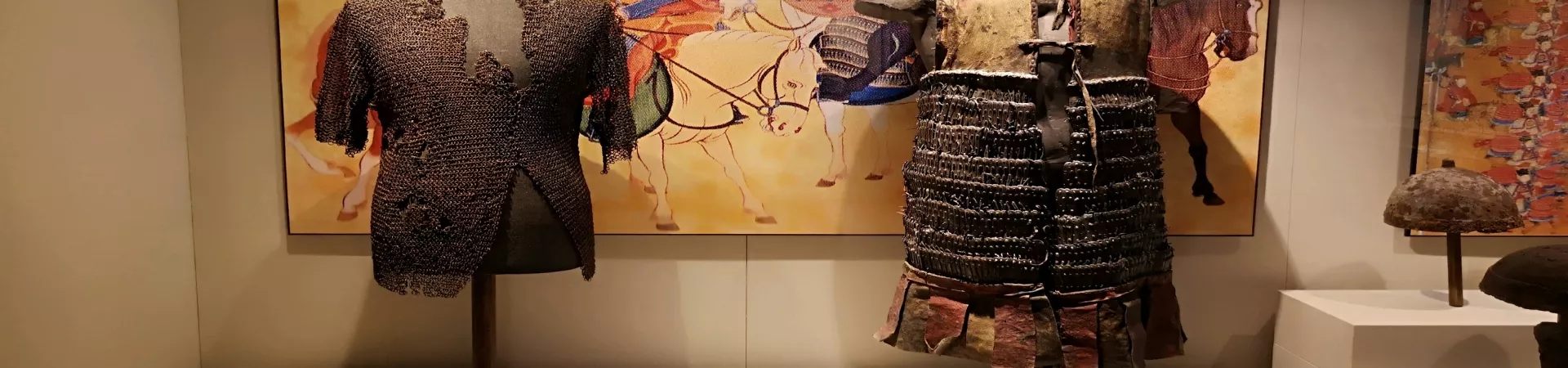
A. The Exhibition Building: Treasures of an Ancient Capital This modern facility houses eight meticulously curated galleries, each dedicated to showcasing the zenith of local craftsmanship and historical significance. * Gallery of Ancient Peng's Treasures: This flagship exhibition presents the essence of Xuzhou's archaeological finds. It features a stunning array of artifacts excavated from local tombs and sites, including ancient jades, bronzes, ceramics, and ironware, narrating the story of the region's development from a strategic military stronghold to a prosperous cultural center. * Gallery of Tomb Figurines' Brilliant Colors: A highlight for many visitors, this gallery is dedicated to the magnificent tradition of Chinese tomb figurines. It boasts an impressive collection of painted pottery figurines from the Han and Tang dynasties, including soldiers, officials, dancers, and animals. Their vivid colors and lively expressions offer a fascinating glimpse into the social structure, daily life, and spiritual beliefs of ancient times. * The Deng Yongqing Collection of Paintings and Calligraphy: This gallery displays a precious private donation of traditional Chinese paintings and calligraphic works, primarily from the Ming and Qing dynasties. It provides a serene counterpoint to the archaeological exhibits, showcasing the scholarly elegance and artistic pursuits of China's literati class. * Gallery of Qing Dynasty Furniture: Experience the sophistication of late imperial Chinese interior design. This collection features beautifully crafted hardwood furniture from the Qing Dynasty, such as altars, chairs, and screens, renowned for their elegant simplicity, intricate joinery, and symbolic motifs.
Beyond these permanent galleries, the building also houses temporary exhibition spaces, an academic lecture hall, VIP reception rooms, and a well-stocked Tourist Souvenir Center.
B. The Qianlong Imperial Travel Palace & Stele Garden: A Literati Retreat Adjacent to the main building lies a serene and beautifully landscaped garden complex centered around a palace built for Emperor Qianlong of the Qing Dynasty during his southern inspection tours. This area offers a tranquil escape and focuses on the art of epigraphy. * Collection of Stone Inscriptions: The garden displays nearly a hundred stone steles, epitaphs (from Han to Tang dynasties), stone pillars (shichuang), and engraved calligraphy masterpieces from renowned Tang and Song dynasty artists. These stone "books" preserve important historical records, Buddhist scriptures, and the finest examples of Chinese script, making it a paradise for calligraphy enthusiasts. * Architectural Elegance: The palace itself, with its traditional architecture, painted beams, and carved pillars, reflects the aesthetic preferences of the Qing court. The harmonious blend of historical architecture, ancient stone artifacts, and classical Chinese garden design creates a profoundly peaceful and poetic atmosphere.
C. The Tushan Han Dynasty Tomb: An Imperial Burial Revealed Perhaps the most archaeologically significant site within the museum grounds is the Tushan Han Tomb. This is the only discovered tomb of a Han Dynasty prince within Xuzhou's urban area, identified as the final resting place of a certain generation of the Prince of Pengcheng and his consort from the Eastern Han period. * Priceless Discoveries: The tomb gained fame for the spectacular artifacts unearthed during its excavation. The most celebrated finds include a complete "jade burial suit sewn with silver thread" (silver-wired jade suit)—a luxurious funeral garment believed to protect the body and soul for immortality—and a exquisite gilded animal-shaped inkstone. These national treasures are now among the museum's most prized exhibits, vividly illustrating the immense wealth, power, and elaborate burial customs of the Han aristocracy.
II. Visitor Information & Amenities
To ensure a fulfilling and convenient visit, please note the following practical details:
A. Opening Hours & Admission * Opening Hours: 9:00 AM - 5:00 PM, Tuesday through Sunday (last admission at 4:00 PM). The museum is closed to the public on Mondays, except for specific statutory holidays. * Special Holiday Hours: During certain periods like New Year's Eve and the first two days of the New Year (Dec 31 - Jan 2), hours may adjust to 9:00 AM - 4:50 PM. It is always advisable to confirm the latest schedule before your visit. * Admission Policy: General admission to the Xuzhou Museum is free of charge. This policy makes this world-class cultural experience accessible to all. For the most current information regarding ticket collection procedures or any special exhibition requirements, contacting the museum directly is recommended.
B. Suggested Visit Duration & Facilities * Time Required: To fully appreciate the main exhibitions in the three core areas at a comfortable pace, planning for 1 to 3 hours is advisable. History and art aficionados may wish to allocate even more time. * Tourist Souvenir Center: Located within the Exhibition Building, this center offers a range of high-quality mementos. It stocks premium gifts, replica stele rubbings and paintings, historical publications, local philatelic products, art books, and folk crafts. Furthermore, it provides specialized services such as cultural relic appraisal and restoration consultations. * Unique Collectibles: Upon the opening of its new wing, the museum issued limited-edition collectibles, such as 999 sets of exclusive cultural relic gold cards and a limited number of gold-leaf paintings by famous artists, which may occasionally be available.
C. Contact & Environment * Contact Telephone: For any inquiries, you can reach the museum at +86 516 83804400. * Tranquil Environment: The museum grounds are not only a cultural hub but also a beautifully maintained green space. With lush lawns, traditional gardens, and quiet pathways, it offers visitors a perfect spot for contemplation and relaxation amidst their historical exploration.
As the Xuzhou Museum continues to evolve with its new facilities, it solidifies its role as a dynamic guardian of the past and a vital catalyst for the city's cultural and economic vitality in the new century. It stands ready to welcome global visitors with its profound historical narratives and serene ambiance.