Xuzhou Han Terra Cotta Warriors Museum
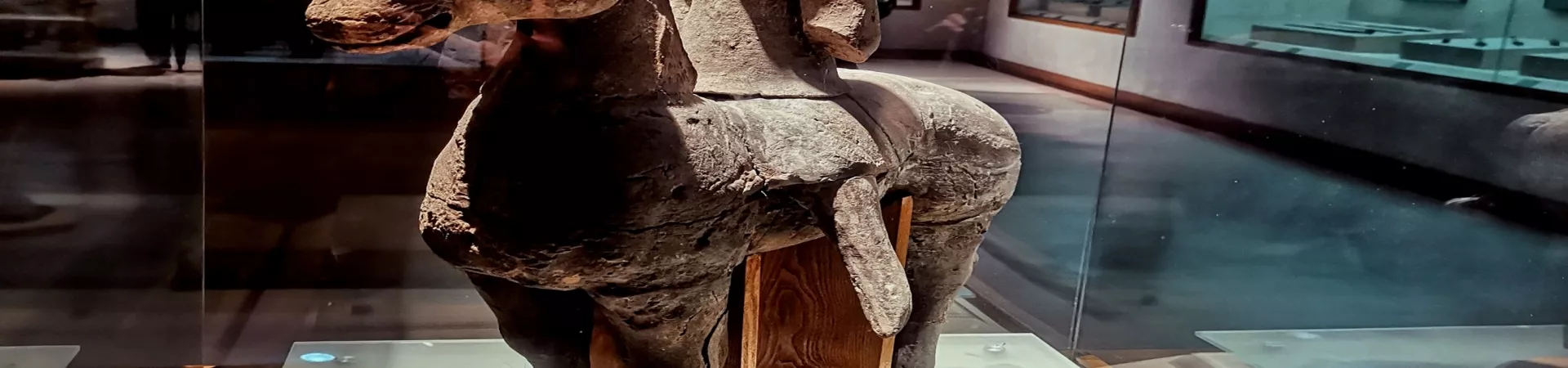
Subtitle: A Journey into the Military Might and Artistic Splendor of the Western Han Dynasty
Introduction: The Silent Army of Xuzhou
Nestled within the Xuzhou Han Cultural Scenic Area, the Xuzhou Han Dynasty Terracotta Warriors Museum stands as a profound testament to the power, artistry, and sophisticated military organization of China's Western Han Dynasty (206 BCE – 9 CE). Unlike their world-famous Qin Dynasty counterparts in Xi'an, the Xuzhou terracotta army offers a distinct and equally captivating glimpse into a slightly later, yet crucially formative, period of imperial China. Discovered in 1984, this subterranean legion silently guarded its lord for over two millennia before being unveiled to the modern world, providing an unparalleled archaeological window into the kingdom of Chu and its royal customs.
Section 1: Discovery and Scale of the Underground Formation
1.1 The 1984 Excavation The remarkable discovery occurred approximately 300 meters west of the tomb of a Chu prince, a subordinate ruler within the Han empire. This strategic placement clearly indicates the army's purpose: to protect and serve the prince in the afterlife. The unearthing of this site immediately established Xuzhou as a significant hub for Han dynasty cultural relics.
1.2 Composition of the Army The terracotta army is composed of a vast underground military matrix spread across six main pits. To date, more than 5,000 individual pottery figures have been meticulously excavated. The assembly is a complete representation of a Western Han army, featuring a diverse range of troops:
- Infantry: Forming the core of the formation, these soldiers are depicted in various poses, some standing guard, others poised for action.
- Charioteers and Cavalry: Signifying the importance of mobile warfare, these figures highlight the advanced tactical structure of the Han military.
- War Horses: Sculpted with powerful musculature and alert expressions, these steeds are artworks in themselves, embodying strength and vitality.
Section 2: The Museum Experience and Historical Context
2.1 Architectural Design and Exhibits The museum's main building, spanning two stories and approximately 6,000 square meters, is designed to house and contextualize these ancient treasures. The exhibits carefully guide visitors through the development history of the terracotta army, the strategic layout of the pits, and the intricate manufacturing processes used by Han artisans.
2.2 The Han Dynasty Military Exhibition Hall A significant enhancement to the museum is the dedicated "Xuzhou Han Dynasty Military Exhibition Hall." This hall employs comparative analysis to deepen visitor understanding. By juxtaposing the Xuzhou terracotta warriors with other famous armies, such as:
- The earlier, life-sized Qin Dynasty Terracotta Army (Xi'an),
- The slightly later Han Yangling Mausoleum figures,
- The Yangjiawan terracotta figures from Xianyang,
the exhibition brilliantly illuminates the unique characteristics of the Xuzhou collection. Visitors can appreciate the evolution in style, scale, and function, grasping the rich historical connotations and regional distinctions of the Chu principality's military practices within the broader Han empire.
Section 3: The Unique Underwater Terracotta Museum
3.1 An Innovative Architectural Feat Adding an extraordinary dimension to the visit is China's first and only Underwater Terracotta Warriors Museum, located about 100 meters north of the main hall within the Lion Lake (Shizi Tan). The museum's architecture is a modern interpretation of classical Han design, featuring two square, pyramid-like structures with four sloping roofs that echo the grandeur of Han dynasty palatial architecture.
3.2 Presentation and Conservation This innovative museum displays a meticulously reconstructed burial pit along with a selection of expertly restored terracotta figures. The underwater environment and the design create a solemn, immersive atmosphere that simulates the artifacts' original subterranean setting. The viewing experience, through protective glass, feels like a unique archaeological dive, connecting the visitor directly to the past.
Section 4: Practical Visitor Information
4.1 Tickets and Operating Hours Admission to the Xuzhou Han Dynasty Terracotta Warriors Museum is free of charge. Access is included with the general admission ticket to the overarching Xuzhou Han Cultural Scenic Area. The museum is open daily from 8:30 AM to 4:30 PM, throughout the year.
4.2 Suggested Duration and Contact A comprehensive visit to both the main terracotta museum and the underwater museum typically requires 1 to 3 hours. For the latest information, visitors can contact the museum via telephone at 0516-83167053 or 0516-83567214.
Together, the main Han Terracotta Army Museum and the Underwater Museum offer a holistic and breathtaking presentation. They collectively resurrect the complete military array owned by a great Han Chu prince over 2,000 years ago, showcasing the remarkable achievements of the Han Dynasty in military science, economic prowess, artistic craftsmanship, and profound cultural civilization.