Xuzhou Art Museum of Han Stone Gravings
Subtitle: A Journey Through Stone: Unveiling the Narrative Treasures of the Han Dynasty at Xuzhou's Premier Museum
1. Introduction and Overview Nestled within the scenic embrace of Xuzhou's Yunlong Lake Scenic Area, on Hudong Road in the Quanshan District, stands a museum dedicated to a singular, profound artistic legacy: the Xuzhou Han Dynasty Stone Relief Museum. More than just a repository of ancient artifacts, this institution is a vibrant portal into the worldview, mythology, and daily life of the Han Dynasty (206 BCE – 220 CE), a pivotal era that solidified the cultural foundations of China. Recognized for its excellence, it holds prestigious titles including a National 4A Tourist Attraction, a National Second-Grade Museum, a Jiangsu Province Outstanding Museum, and a Provincial Social Science Education Base. The museum's very entrance sets the tone for the historical immersion within; it is a monumental stone que (gate tower) modeled after the famous examples from Ya'an, Sichuan, its solemn grey stone inscribed with the museum's name brushed by the hand of the revered modern Chinese painting master, Li Keran.
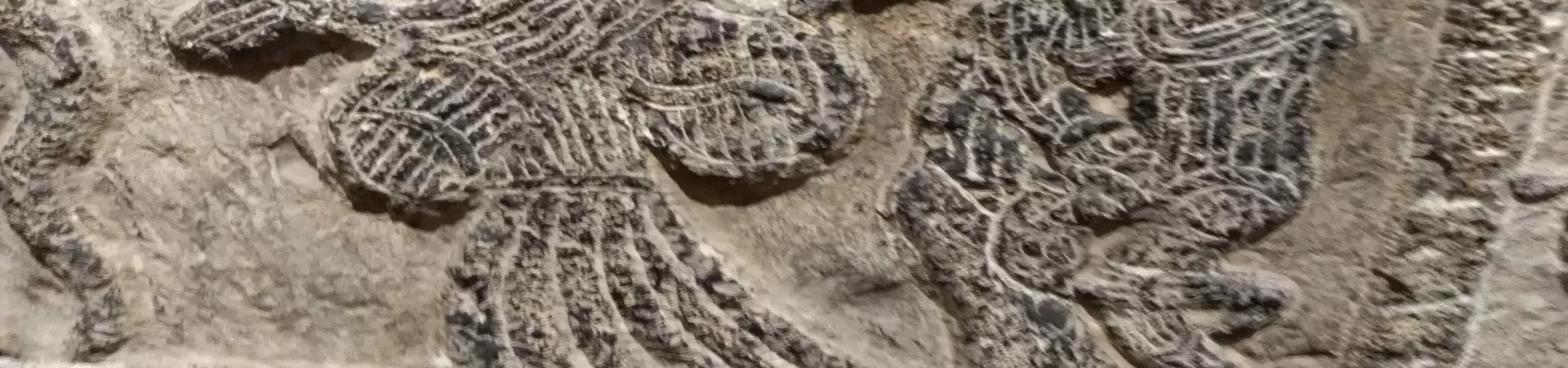
2. The Artistic Essence of Xuzhou Han Stone Reliefs The core of the museum's collection lies in the distinctive stone reliefs excavated from the Xuzhou region, which served as a critical administrative and cultural center during the Han period. Unlike the flatter, more linear styles found elsewhere, Xuzhou's Han reliefs are renowned for their remarkable sculptural quality and dynamic composition. They predominantly employ a high-relief technique, where figures and scenes are carved with significant depth, projecting boldly from the stone background. This approach creates a powerful sense of volume and physical presence. The narratives unfold across multiple, densely packed layers, resulting in richly detailed and visually complex tableaus. Every inch of stone is often utilized, presenting a panoramic vision of a universe populated by celestial deities, mythical beasts, historical paragons, and vivid snapshots of contemporary life—from grand banquets and spirited hunts to agricultural scenes and bustling markets. This artistic boldness reflects the confidence and expansive spirit of the Han era, transforming stone into a compelling medium for storytelling and spiritual belief.
3. Museum Layout and Architectural Harmony The museum complex is thoughtfully divided into two main sections, the North Hall and the South Hall, each offering a distinct curatorial and architectural experience.
3.1. The North Hall: The Foundational Collection The North Hall houses the museum's foundational and most historically significant collection. Its exhibits primarily feature exquisite artifacts and stone reliefs discovered from the late Qing Dynasty up to 1989. This hall is essentially the bedrock of international academic understanding of Xuzhou Han iconography. Many of the most famous and frequently studied images that have appeared in scholarly publications worldwide originate from the treasures displayed here. A visit to the North Hall provides a comprehensive overview of the stylistic evolution, common motifs, and archaeological context of these stone narratives, establishing the essential framework for appreciation.
3.2. The South Hall: Architecture in Dialogue with History In striking contrast, the South Hall represents a modern architectural homage to its ancient contents. Designed by the eminent architect and Tsinghua University professor, Guan Zhaoye, the building is a masterpiece of integrated design. Rather than dominating the landscape, it gracefully follows the natural contours of the hill, with sections seemingly nestled among lush, verdant trees. This harmonious blend of structure and nature evokes the Han philosophy of unity between humankind and the cosmos. The architecture itself, with its imposing yet elegant lines and use of space, subtly echoes the grandeur and profundity of Han culture. The exhibits within the South Hall often feature more recent discoveries and thematic displays, presented in a modern, spacious environment that complements the ancient artistry.
4. Practical Visitor Information
4.1. Admission and Hours Admission to the museum is free of charge. Visitors are required to obtain an entry ticket by presenting a valid identification document (e.g., ID card, passport) at the ticket office. Priority entry is granted to certain groups, including retired veterans with certificates, senior citizens (with valid ID), and individuals with disabilities. The museum is open from 9:00 AM to 5:00 PM, Tuesday through Sunday. The last admission is at 4:30 PM. The museum is closed every Monday, except for national statutory holidays. It is advisable to allocate a full day to explore both halls thoroughly and appreciate the depth of the collections without rush.
4.2. Transportation Guide Reaching the museum is straightforward via public transport: * By Train: From Xuzhou Railway Station, take public bus No. 55 and alight at the East Gate of Binhu Park. From there, walk approximately 500 meters south along Hudong Road. * By Bus: Several tourist and public bus routes have stops directly at the museum. These include routes: Tourist Line 2, 47, 63, and Tourist Line 3. Look for the stop named "Han Huaxiang Shi Guan" (Han Stone Relief Museum).
4.3. Curation and Cultural Significance As a specialized museum focused on collection, display, and research, the institution plays a crucial role in preserving and deciphering this non-textual historical record. The reliefs serve as invaluable primary sources for historians, archaeologists, and art scholars, offering insights into Han-dynasty social structure, religious practices, aesthetic values, and technological capabilities. By presenting these stones not merely as artifacts but as chapters in a visual epic, the museum facilitates a direct, evocative connection between the modern visitor and the imaginative world of ancient China, safeguarding a tangible piece of the nation's cultural memory for future generations.