Xuzhou Han Culture Scenic Area
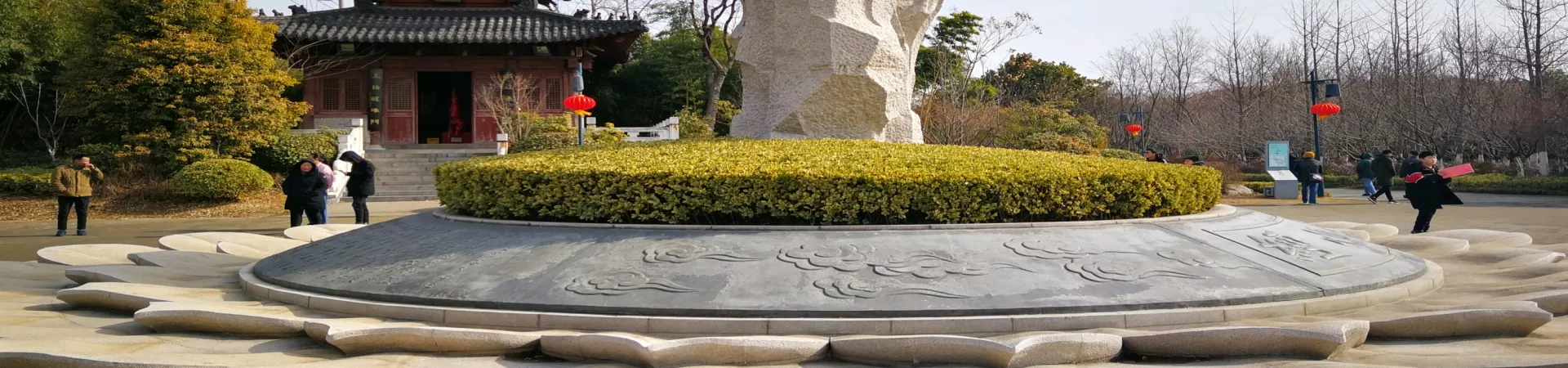
Subtitle: A Journey Through the Han Dynasty: Exploring the Xuzhou Han Culture Scenic Area
Introduction: A Portal to China's Glorious Han Era
Nestled in the historic city of Xuzhou in Jiangsu Province, the Xuzhou Han Culture Scenic Area stands as a monumental tribute to one of China's most formative dynasties. More than just a collection of sites, it is a comprehensive, immersive experience that seamlessly blends historical preservation, cultural education, landscape artistry, and tourist leisure. Recognized as a national 4A-level tourist attraction, this area is the largest and most profound base for Han culture protection in the region, offering visitors a tangible, multi-sensory connection to the essence of the Western and Eastern Han Dynasties (206 BCE – 220 CE). It masterfully integrates the "Three Unique Wonders of the Han Dynasty" into a cohesive narrative, presenting itself not merely as a park but as a three-dimensional history book brought to life.
Core Attractions: The "Three Unique Wonders" and Beyond
The scenic area's unparalleled significance stems from its assembly of core historical relics, collectively known as the "Three Unique Wonders of the Han Dynasty." These form the backbone of the visitor experience.
1. The Shizishan (Lion Mountain) Chu King Mausoleum This is the centerpiece of the scenic area and a breathtaking archaeological achievement. It is the tomb of a high-ranking Chu king from the Western Han Dynasty, excavated directly into the rock of Lion Mountain. The scale and complexity of the tomb structure are astounding, featuring numerous chambers, corridors, and an elaborate drainage system. The tomb's design reflects sophisticated Han-era engineering beliefs about the afterlife, intended to provide the interred king with all necessities for eternity. While the main burial chamber was found looted in antiquity, its architectural grandeur and the surrounding pits offer profound insights into the power, wealth, and burial customs of Han royalty.
2. The Han Terracotta Army Museum Adjacent to the Chu King Mausoleum lies a discovery often drawing parallels to the famous Xi'an terracotta warriors: the Xuzhou Han Terracotta Army. Significantly different in style and scale from their Qin Dynasty predecessors, these figures are smaller, more varied in posture, and depict a vibrant military and administrative assembly. The museum houses thousands of these miniature terracotta soldiers, cavalry, officials, and servants, arranged in battle formations and service rows. Their delicate expressions and detailed attire provide an invaluable glimpse into the military organization, social hierarchy, and artistic aesthetics of the Han period.
3. The Han Stone Relief Gallery (Han Hua Changlang) The third "Wonder" is the exquisite artistry captured on stone. Han dynasty stone reliefs, or pictorial carvings, were used to decorate tomb walls and shrines, depicting scenes from daily life, mythology, historical stories, and cosmological beliefs. The scenic area's gallery preserves and displays a rich collection of these carved stones. Visitors can admire scenes of banquets, chariot processions, agricultural activities, and legendary figures, each carving serving as a direct narrative window into the philosophical outlook, social customs, and artistic achievements of Han society.
Additional Significant Sites: Enriching the Narrative
Beyond the "Three Wonders," the scenic area incorporates other vital components that flesh out the historical and cultural story.
• The Liu Family Ancestral Temple This temple is dedicated to the Liu clan, the imperial family of the Han Dynasty. Given Xuzhou's historical importance and its connection to early Han emperors like Emperor Gaozu (Liu Bang), the temple serves as a place of remembrance and cultural lineage. It adds a layer of ancestral worship and clan history to the broader dynastic narrative, highlighting the personal and familial dimensions behind the imperial institution.
• The Han Culture Landscape Garden The entire area is thoughtfully designed as a classical Chinese landscape garden. Pathways wind through serene landscapes featuring traditional pavilions, ponds, bridges, and lush greenery, all styled to reflect Han-era architectural and horticultural sensibilities. This integration ensures that the visit is not only educational but also aesthetically pleasing and contemplative, allowing the historical atmosphere to permeate the natural surroundings.
Visitor Information: Planning Your Exploration
To fully appreciate the depth and breadth of the Xuzhou Han Culture Scenic Area, adequate time and planning are essential.
• Suggested Duration A thorough visit to explore the major sites, museums, and gardens at a comfortable pace requires a minimum of 3 hours. History enthusiasts or those wishing to engage deeply with the exhibits may easily spend half a day or more on-site.
• Ticketing The most convenient option for visitors is the all-inclusive ticket, priced at approximately 90 RMB. This ticket typically grants access to the main attractions within the scenic area, including the Chu King Mausoleum, the Han Terracotta Army Museum, and the Stone Relief Gallery. It is important to note that all pricing information is for reference only. Visitors are strongly advised to verify the latest official ticket prices and policies on the day of their visit, as details are subject to change.
• Operating Hours The scenic area is generally open daily from 8:30 AM to 4:30 PM, with the last admission allowed until 3:30 PM. These hours apply throughout the year, but as with ticketing, it is prudent to confirm any seasonal adjustments or special closures before your trip.
• Contact For the most current information, inquiries can be made via telephone at 0516-83167053 or 0516-83566263.
In essence, the Xuzhou Han Culture Scenic Area functions as a vast, open-air museum and a living memorial. It transcends the typical tourist destination by offering a holistic encounter where imperial tombs, ancient armies frozen in clay, storied stone carvings, ancestral halls, and tranquil gardens converge. It provides an authoritative, engaging, and unforgettable journey into the heart of Han civilization, making it an indispensable destination for anyone seeking to understand the foundations of traditional Chinese culture.