Huaihai Campaign Memorial Tower
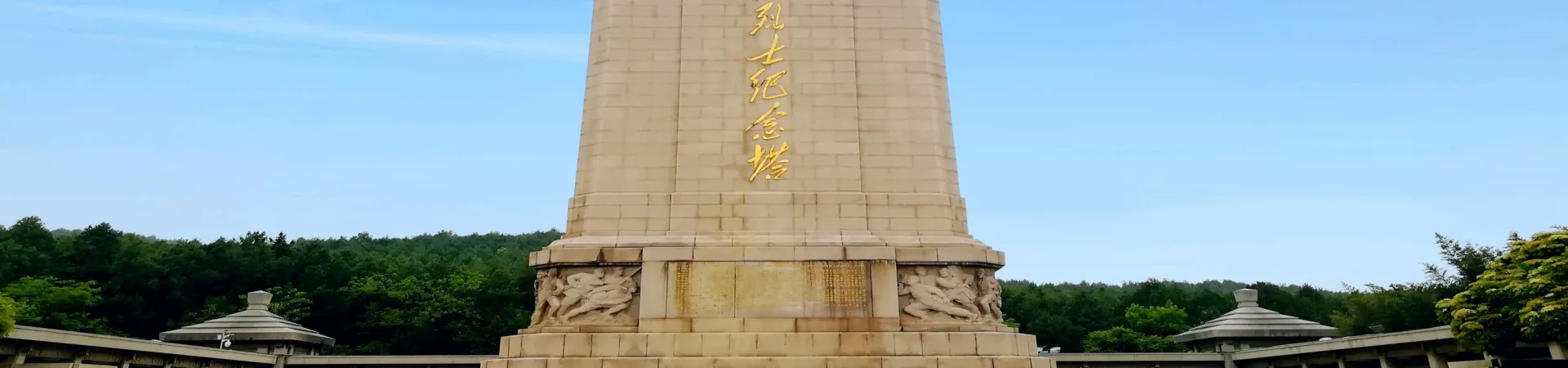
Subtitle: A Monument to Sacrifice and Victory: Exploring the Huaihai Campaign Memorial Tower in Xuzhou
I. Introduction: A Sentinel of History
Rising with solemn dignity against the backdrop of Phoenix Mountain (Fenghuang Shan) on the southeastern outskirts of Xuzhou City, Jiangsu Province, the Huaihai Campaign Martyrs Memorial Tower stands as an enduring symbol of one of the most decisive military engagements in modern Chinese history. More than just an architectural structure, it is a profound national monument dedicated to the memory, sacrifice, and ultimate victory that defined the cataclysmic Huaihai Campaign. For visitors, it offers a powerful, immersive journey into a pivotal chapter of the mid-20th century, where the landscape itself seems to whisper tales of courage and collective resolve.
II. Architectural Grandeur and Symbolic Design
The monument's physical presence is both imposing and deeply symbolic, with every element carefully designed to convey themes of remembrance, struggle, and peace.
A. The Tower's Structure and Scale Soaring to a height of 38.15 meters, the granite tower faces the rising sun, its stature representing the unwavering spirit of the heroes it commemorates. The choice of height is historically resonant, mirroring the timeline of the campaign itself. Its sheer scale ensures its visibility as a landmark, a constant reminder etched into the city's skyline.
B. Inscriptions and Central Imagery The front facade of the tower is dominated by the gilded, calligraphic inscription "淮海战役烈士纪念塔" (Huaihai Campaign Martyrs Memorial Tower), personally penned by Chairman Mao Zedong. This direct link to the era lends the site immense historical authority. At the pinnacle, the tower's emblem is intricately carved: two rifles crossed under the radiance of a five-pointed star, bound together by a ribbon of pine and cypress branches. This iconography is rich in meaning: the rifles signify the military struggle, the star represents the guiding light of the Communist Party, and the evergreen branches symbolize the eternal peace earned through the martyrs' sacrifice and the perpetual remembrance of their deeds.
C. The Base: Narratives in Stone The narrative unfolds at the tower's base. The front of the pedestal features a gilded inscription, a historical text that chronicles the progression of the Huaihai Campaign and pays tribute to the successive bravery of the fallen soldiers and the extraordinary support of the civilian populace. This written record provides the essential factual framework for understanding the events memorialized here.
III. The Surrounding Complex: A Landscape of Memory
The memorial experience extends beyond the central tower into a thoughtfully arranged complex that engages visitors on multiple sensory and emotional levels.
A. Flanking Reliefs: Epic Stories in Sculpture On either side of the tower's base, large-scale stone reliefs translate history into powerful visual narratives. The relief on the right depicts the People's Liberation Army's heroic, unstoppable advance, capturing their determination and valor. In contrast, the left relief vividly portrays the "mass support for the front lines," showcasing civilians—men and women, young and old—transporting supplies, tending to the wounded, and providing logistical support. Together, these sculptures immortalize the truly people's nature of this victory.
B. The Circular Gallery and the Hall of Names Encircling the base within sheltered colonnades is a somber and deeply moving space. The walls here are inscribed with calligraphic dedications from subsequent Chinese state leaders and, most importantly, the meticulously carved names of over 30,000 martyrs who perished in the campaign. This "Hall of Names" personalizes the immense scale of the sacrifice, transforming statistics into individual remembrance and offering a space for quiet reflection.
C. The Approach: A Journey of Ascension Access to the tower is a ceremonial experience in itself. From a spacious plaza, a grand staircase comprising ten flights with 129 steps in total ascends towards the monument. This 250-meter long, 31-meter wide approach requires a physical and contemplative climb, building a sense of reverence before reaching the tower base. Below lies a vast, 150-meter diameter circular garden square, providing a serene counterpoint to the monument's verticality and a place for visitors to gather and contemplate.
IV. Historical Context: The Huaihai Campaign
To fully appreciate the monument's significance, one must understand the historical cataclysm it marks. The Huaihai Campaign was fought between November 6, 1948, and January 10, 1949, centering on the Xuzhou region. It was one of the three major strategic offensives (alongside Liaoshen and Pingjin) launched by the People's Liberation Army against the Nationalist forces during the Chinese Civil War. The campaign's outcome was decisive. The Communist victory here, achieved through a combination of brilliant military strategy and unprecedented grassroots support from the local population—exemplified by the phrase "the cart-pushing victory"—effectively secured control over the vital heartland east of the Yellow River. This triumph is widely regarded as the pivotal battle that paved the way for the eventual establishment of the People's Republic of China later in 1949. The monument, therefore, stands not just on a geographical hill, but on the watershed moment of modern Chinese history.
V. Practical Visitor Information
A. Location and Transportation The memorial complex is situated at the eastern foot of Phoenix Mountain in the southern suburbs of Xuzhou. The most convenient public transportation options are the dedicated tourist bus lines, You 1 (游1路) and You 2 (游2路), which have stops servicing the site.
B. Opening Hours The memorial is open to the public from 9:00 AM to 5:00 PM, Tuesday through Sunday. Last admission is at 4:15 PM. The site is typically closed for maintenance on Mondays, though it is advisable to confirm the current schedule before planning a visit, as hours can be subject to change for official events or holidays.
C. Suggested Duration and Ticketing A comprehensive visit to fully absorb the historical context, appreciate the architecture and sculptures, and walk the grounds requires a minimum of 3 hours. As for admission, while the site has historically been open to the public, it is recommended to check with the scenic area management directly for the most up-to-date information on ticketing policies and any potential fees.