Guishan Scenic Area
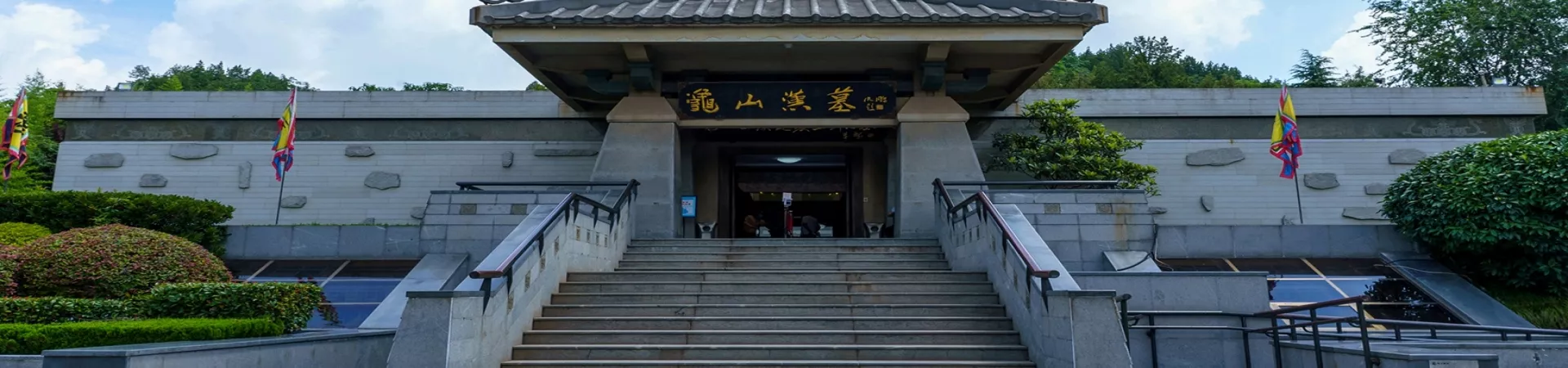
Subtitle: A Journey Through Time: Exploring the Han Dynasty Tombs and Cultural Landscape of Guishan Scenic Area, Xuzhou
1. Introduction to Guishan Scenic Area
Nestled on the outskirts of Xuzhou City in Jiangsu Province, the Guishan Scenic Area stands as a profound testament to China's rich historical tapestry and architectural ingenuity. More than just a picturesque landscape, the area is internationally renowned as the sacred burial ground of a significant Western Han Dynasty ruler, offering visitors a unique and tangible connection to an empire that shaped Chinese civilization over two millennia ago. The site masterfully intertwines awe-inspiring ancient engineering with serene natural beauty, creating an immersive experience that caters to history enthusiasts, cultural scholars, and nature lovers alike. The centerpiece of the scenic area is the meticulously excavated and preserved tomb complex, celebrated as one of China's most remarkable archaeological treasures. Its design, characterized by perfectly matched chambers and a clear hierarchical layout, is often described as "peerless in all of China," highlighting the advanced cosmological concepts, social structure, and technical prowess of the Han era.
2. The Crown Jewel: The Western Han Dynasty Tomb Complex
2.1. Architectural Marvel and Historical Significance The tomb complex at Guishan is identified as the joint burial site of the sixth-generation ruler of the Chu Kingdom, a powerful vassal state within the Western Han Dynasty (206 BCE – 9 CE), and his consort. This necropolis represents the pinnacle of Han funerary architecture and aristocratic burial customs. The most striking feature, which earns it the accolade of "an unparalleled wonder," is its precise and symbolic construction. The two main tomb chambers are engineered to be identical in size and form, mirroring each other with extraordinary accuracy. This "perfectly matched" design symbolizes the equal status and enduring partnership of the interred couple in the afterlife, reflecting deep-seated beliefs in eternity and marital harmony.
2.2. Layout and Design Philosophy Beyond the matching chambers, the complex exhibits a masterful "clear distinction between primary and secondary" spaces. The layout is not random but follows a strict hierarchical order, encompassing main burial chambers, front halls, side rooms, corridors, and auxiliary pits. This configuration meticulously replicates the earthly palace structure and daily life of the feudal prince, ensuring he would want for nothing in the next world. The pathways, chambers, and functional rooms are arranged along a central axis, demonstrating sophisticated spatial planning. The entire complex was excavated directly into the heart of the limestone mountain, a monumental undertaking that required precise calculation, immense labor, and sophisticated knowledge of stonework and geology. The interior walls are often smooth and finely finished, with some sections featuring carved pillars and roof beams that imitate wooden structures, blurring the line between a subterranean tomb and a grand palace.
3. Practical Visitor Information
To plan a seamless visit to the Guishan Scenic Area, the following practical details are essential.
3.1. Operating Hours The scenic area operates on seasonal schedules to ensure visitor comfort and accommodate daylight variations. * Summer Season (June 1 - August 31): Open daily from 08:30 to 17:30. * Winter Season (December 1 - February 28/29): Open daily from 08:30 to 17:00. It is always advisable to arrive well before closing time to allow for a thorough exploration of both the tomb interior and the surrounding parklands.
3.2. Contact Details For inquiries regarding ticketing, group visits, or the latest accessibility information, visitors can contact the scenic area management directly. * Telephone: +86 516 8577 0107
4. Experiencing the Broader Scenic Area
While the tomb complex is the historical anchor, the Guishan Scenic Area offers a broader cultural and natural environment to explore.
4.1. The Natural Landscape The area encompasses the lush, forested slopes of Guishan (Turtle Mountain). Visitors can enjoy tranquil walks along designated paths, appreciating the contrast between the serene natural environment and the profound human history embedded within it. The greenery provides a peaceful backdrop and a place for reflection after the intensity of the tomb visit.
4.2. Cultural Context and Exhibits Adjacent to the tomb entrance, a modern museum or exhibition hall is typically found. This facility provides crucial context, displaying a selection of artifacts unearthed from the tomb or similar Han Dynasty sites. These may include intricate jade burial suits (or fragments), ceremonial pottery, bronze vessels, iron tools, and coins. Informative panels and multimedia presentations explain the history of the Chu Kingdom, Han burial practices, and the archaeological excavation process, greatly enriching the visitor's understanding of what they see inside the tomb itself.
4.3. A Glimpse into Ancient Engineering The tomb entrance itself is an impressive sight, often a large, man-made opening in the mountainside. As visitors descend into the cool, dimly lit interior, they are walking in the footsteps of ancient builders and mourners. The sheer scale of the excavated space—the volume of stone removed entirely by hand—is perhaps the most visceral and humbling aspect of the visit. Attention should be paid to the drainage channels carved into the floors, the slots for massive stone doors (some of which, often intricately carved, remain in place), and the anti-theft mechanisms, such as stone blockades, which reveal the builders' foresight and concern for eternal security.