Guishan Han Tomb
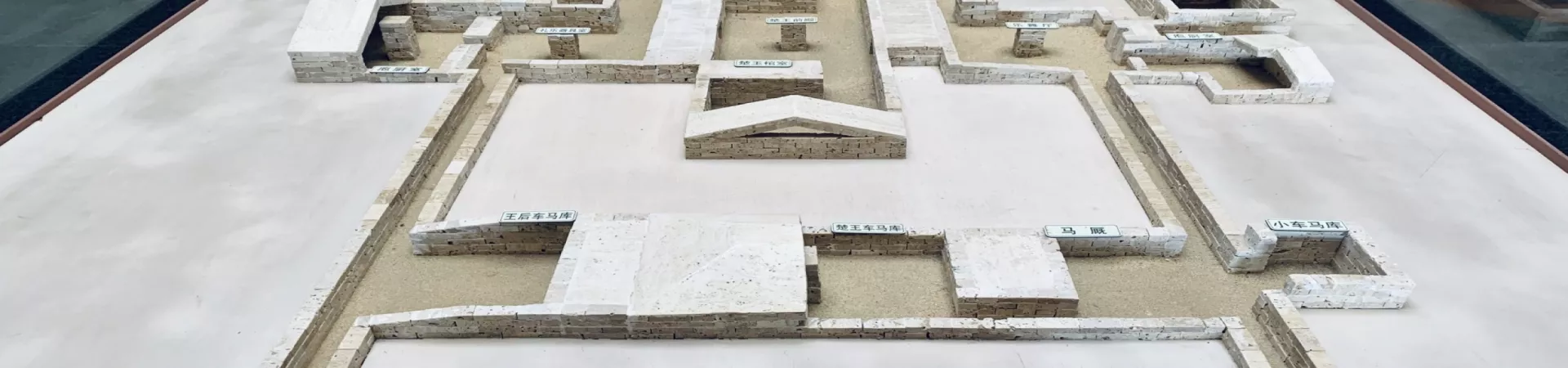
Subtitle: A Journey into the Royal Underground: Unveiling the Mysteries of the Guishan Han Tomb
Introduction: The Peak of Western Han Engineering Nestled against the western foothills of Guishan (Tortoise Mountain) in Gulou District, Xuzhou, Jiangsu Province, lies one of China's most astonishing archaeological treasures: the Guishan Han Tomb. This site is the centerpiece of the Guishan Scenic Area and represents a monumental achievement of the Western Han Dynasty (206 BCE – 9 CE). It serves as the joint burial tomb for Liu Zhu, the sixth-generation King Chu of the Chu Kingdom, and his wife. King Liu Zhu's reign spanned from 128 BCE to 116 BCE, placing the tomb's construction firmly within a period of significant wealth, power, and sophisticated cultural development in ancient China. More than just a gravesite, the Guishan Han Tomb is a meticulously engineered subterranean palace, offering an unparalleled glimpse into the afterlife beliefs, architectural prowess, and daily life of the Western Han aristocracy.
1. Architectural Marvel: A Mountain Hollowed into a Palace The sheer scale and ambition of the Guishan Han Tomb are its first defining characteristics. The entire complex stretches approximately 83 meters from east to west, with its widest point from north to south reaching 33 meters, covering a total area of over 700 square meters. In an incredible feat of ancient engineering, builders essentially hollowed out the heart of Tortoise Mountain to create this eternal residence. The tomb is not a single chamber but a comprehensive, organized layout of 15 separate rooms, each serving a distinct purpose and arranged with clear hierarchy. This design meticulously replicates the necessities and luxuries of a royal household for the afterlife.
1.1. The Layout of an Eternal Residence The tomb's interior is structured like a complete underground mansion. Visitors can explore spaces clearly designated as the main burial chambers for the king and his consort, resembling grand bedrooms. Adjacent to these are reception halls or "living rooms" for hosting spiritual gatherings. Further chambers were built as a kitchen, complete with storage areas, and even a stable for horses, ensuring the royal couple lacked nothing in the next world. This orderly arrangement of specialized rooms provides a tangible, stone-carved blueprint of Western Han palatial life and their profound belief in a material existence after death.
1.2. Precision Engineering: The Parallel Passageways The most celebrated and mind-boggling feature of the tomb is its pair of entrance passageways. Running parallel to each other, these two corridors are each precisely 56 meters long and carved directly into the mountain rock. The engineering precision achieved over 2,100 years ago defies modern expectations. When measured, the maximum deviation along the central axis of each corridor is a mere 5 millimeters, achieving an accuracy ratio of 1/10,000. Furthermore, the two passageways, spaced 19 meters apart, are perfectly parallel with an angular error of only 20 seconds, equivalent to a precision of 1/16,000. This level of accuracy, accomplished without modern tools, remains a subject of awe and scholarly debate, highlighting the advanced surveying and stone-working techniques of the period. Sealing these incredible corridors were 26 giant stone blocks per passageway, each weighing between 6 to 7 tons, acting as formidable barriers against intruders.
2. Historical Context and Discovery The tomb's occupant, King Liu Zhu of Chu, was a ruler during the prosperous middle period of the Western Han Dynasty. The Chu Kingdom was a powerful and wealthy vassal state, and the construction of such an elaborate tomb reflects its status. For centuries, the tomb lay hidden within the mountain, its secrets preserved. Its modern discovery and excavation have provided invaluable insights into the burial customs, social structure, and material culture of the era. Artifacts found within, though many are now housed in museums, contextualize the spaces, telling stories of ritual, luxury, and craftsmanship.
3. Practical Visitor Information To fully appreciate the grandeur and detail of the Guishan Han Tomb, visitors should plan for a comprehensive visit.
3.1. Ticket Information * Standard Admission: The general adult ticket is priced at 80 RMB. * Note: This price is for reference as of the last update. Ticket policies and prices are subject to change, and it is always recommended to verify the current rate through official channels before your visit.
3.2. Opening Hours Operating hours vary slightly by season: * Summer Season (June 1 - August 31): The site is open from 08:30 to 17:30. * Winter Season (December 1 - February 28/29): Hours are from 08:30 to 17:00. * It is advisable to arrive well before closing to ensure ample time for exploration.
3.3. Suggested Duration A thorough exploration of the tomb complex, including time to contemplate its engineering and walk through its numerous chambers, typically requires 3 hours or more. The cool temperature inside the mountain provides a respite in summer but suggests wearing appropriate clothing.
4. The Enduring Legacy Walking through the cool, dimly lit passageways and chambers of the Guishan Han Tomb is a profoundly moving experience. It is a place where history is etched in stone—a testament to human ambition, spiritual belief, and technical skill. The silence of the mountain contrasts with the vivid imagination of the bustling royal life it was designed to support for eternity. It stands not merely as a tomb but as a permanent monument to the ingenuity of the Western Han Dynasty, inviting continuous wonder and study from every visitor who steps into its ancient, parallel halls.