Kaiguang Xintiandi Xinyu National Subtropical Botanical Garden
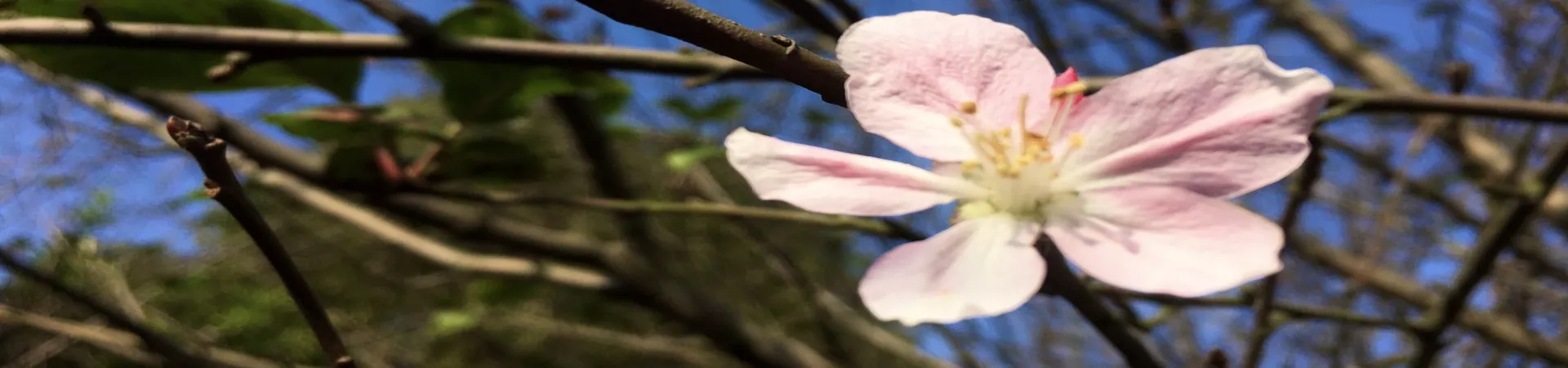
Subtitle: A Lush Paradise in the Heart of Jiangxi: Exploring Xinyu National Subtropical Botanical Garden
Introduction: An Oasis of Biodiversity and Leisure
Nestled within the vibrant development of Kaiguang New World in Xinyu City, Jiangxi Province, lies a verdant sanctuary that captivates the senses and offers a serene escape from urban life. The Xinyu National Subtropical Botanical Garden is not merely a collection of plants; it is a meticulously curated living museum, a vital center for conservation, and a premier destination for ecological education and family recreation. This expansive garden masterfully showcases the incredible diversity and lush beauty of subtropical flora, providing visitors with an immersive journey through themed landscapes, tranquil waterways, and vibrant floral displays. It stands as a testament to the region's commitment to preserving natural heritage while creating a space for leisure, learning, and inspiration for all who walk its paths.
1. Overview and Significance
1.1. A National Horticultural Treasure As a designated National Subtropical Botanical Garden, this institution holds significant importance beyond local tourism. It operates as a key facility for the ex-situ conservation of plant species native to China's subtropical regions, many of which are rare or endangered. The garden's work in plant collection, research, and propagation contributes to global biodiversity efforts. For the visitor, this translates into an opportunity to witness a stunning array of plant life that might otherwise be inaccessible, all gathered within a beautifully designed landscape that harmonizes scientific purpose with aesthetic appeal.
1.2. Integration with Kaiguang New World The garden forms the ecological core of the larger Kaiguang New World complex, a comprehensive area dedicated to tourism, culture, and leisure. This integration allows visitors to seamlessly combine a nature-focused experience with other amenities. The botanical garden offers a peaceful counterpoint to more active attractions, making it an essential part of a fulfilling day trip or weekend getaway to the area.
2. Exploring the Garden's Landscape and Features
2.1. Thematic Gardens and Plant Collections The garden is thoughtfully divided into numerous thematic sections, each offering a unique horticultural experience. Visitors can wander through distinct zones that may include: * A Magnificent Rose Garden: Featuring hundreds of varieties in a blaze of color and fragrance. * A Serene Bonsai and Penjing Exhibit: Showcasing the ancient Asian art of miniature tree cultivation. * A Productive Bamboo Grove: Highlighting the versatility and ecological importance of bamboo species. * A Fragrant Herb and Medicinal Plant Garden: Educating on traditional and modern uses of plants. * A Picturesque Aquatic Plant Zone: Where lotuses and water lilies adorn ponds and streams. * Seasonal Flower Fields: Offering dramatically changing vistas throughout the year, from tulips in spring to cosmos in autumn.
2.2. Architectural and Scenic Highlights Beyond the plants, the garden's design incorporates traditional and modern architectural elements that enhance the scenery. Graceful bridges arch over quiet streams, traditional pavilions offer shaded spots for contemplation, and viewing towers provide panoramic vistas of the green canopy. Carefully planned walking trails, both wide avenues and intimate footpaths, invite exploration at every turn.
2.3. Family and Educational Facilities Understanding its role in education, the garden features interactive elements designed for younger visitors and families. These may include labeled plant specimens with QR codes for more information, dedicated children's discovery gardens where touching and learning are encouraged, and educational signage about ecosystems and conservation. These features transform a leisurely stroll into an engaging learning adventure for all ages.
3. Practical Visitor Information
3.1. Operating Hours and Best Times to Visit The garden is open year-round, welcoming visitors daily. The operating hours are: * Opening Time: 08:30 AM * Closing Time: 17:30 PM (Last admission is at 16:30 PM) It is highly recommended to arrive earlier in the day to fully enjoy the gardens at a leisurely pace and to capture the best light for photography. While beautiful in any season, spring (March-May) and autumn (September-November) offer the most comfortable weather and spectacular floral displays.
3.2. Planning Your Visit and Contact Information To make the most of your visit, plan to spend a minimum of 3-4 hours. Comfortable walking shoes, sun protection (hats, sunscreen), and water are essential. For the latest information on specific bloom seasons, special events, or to make group inquiries, you can contact the garden directly. * Contact Telephone: 0790-6635666
4. The Broader Experience: Conservation and Community
4.1. A Center for Scientific Research Behind the public-facing beauty, the botanical garden is a hub of scientific activity. Researchers and horticulturists work on plant breeding programs, study climate adaptation, and develop sustainable gardening practices. This ongoing work ensures the garden remains dynamic and contributes valuable knowledge to botanical science.
4.2. Hosting Cultural and Seasonal Events Throughout the year, the garden serves as a vibrant venue for cultural events that deepen the visitor experience. These may include seasonal festivals like lantern shows during Chinese New Year, chrysanthemum exhibitions in autumn, horticultural workshops, photography contests, and outdoor concerts. These events blend cultural appreciation with the natural setting, creating memorable experiences.
4.3. A Model for Sustainable Tourism The Xinyu National Subtropical Botanical Garden operates as a model for sustainable and ecologically responsible tourism. Its design emphasizes water conservation, organic maintenance practices, and habitat creation for local wildlife, including pollinators and birds. A visit here is not only enjoyable but also supports an institution dedicated to protecting the environment for future generations. It stands as a green lung for Xinyu and a powerful reminder of the beauty and importance of the natural world.