Luofang Conference Memorial Hall
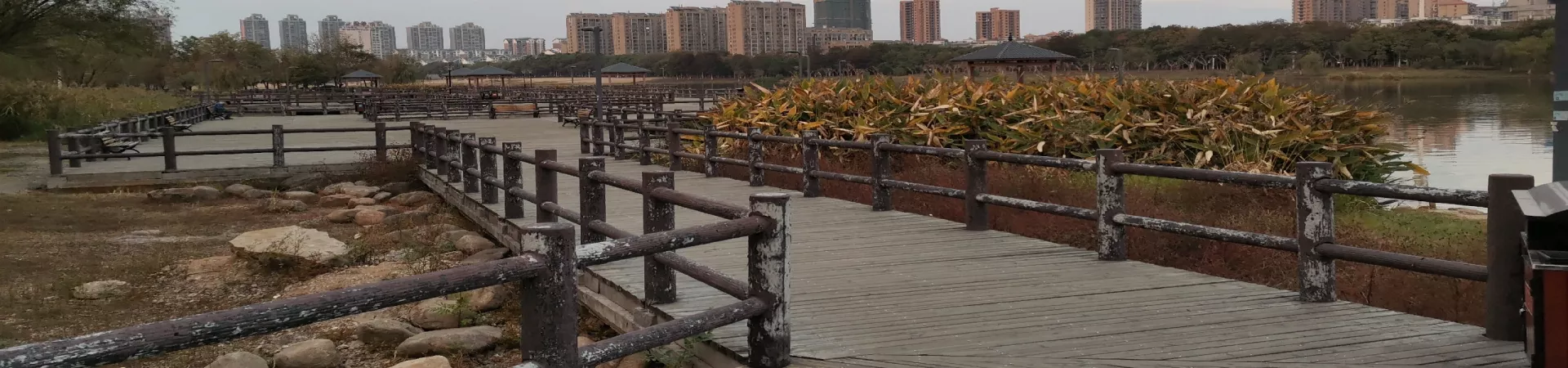
A Journey Through History: The Luofang Conference Memorial Hall in Xinyu, China
Subtitle: Preserving the Legacy of a Pivotal Moment in Chinese Revolutionary History
Nestled in the historic town of Luofang, within the modern city of Xinyu in Jiangxi Province, lies a site of profound significance in the narrative of modern China. The Luofang Conference Memorial Hall is not merely a museum; it is a solemn space dedicated to commemorating a critical strategic meeting that shaped the course of the Chinese Communist Revolution. For history enthusiasts, students of political science, and travelers seeking to understand the deep roots of contemporary China, a visit to this memorial hall offers an invaluable and immersive educational experience.
I. The Historical Crucible: Understanding the Luofang Conference
1.1. The Context of Crisis To fully appreciate the memorial hall, one must first understand the historical moment it preserves. In October 1930, the Chinese Red Army, led by the Communist Party, found itself at a critical juncture. Following the unsuccessful attacks on major cities like Changsha and Nanchang, the revolutionary forces were fatigued and faced immense pressure from the pursuing Nationalist (Kuomintang) armies. There was an urgent need to assess strategy, correct tactical errors, and decide the future direction of the revolution.
1.2. The Conference and Its Decisions It was under these pressing circumstances that the Front Committee of the First Front Army convened a pivotal meeting in Luofang. The Luofang Conference, held from October 25 to 30, 1930, became a landmark event. The most crucial outcome was the decisive rejection of the then-prevailing "Li Lisan Line," which advocated for armed uprisings in central cities. Instead, the conference affirmed Mao Zedong's strategic principle of "encircling the cities from the countryside," a theory that emphasized building rural revolutionary base areas. This strategic shift is widely regarded as a vital turning point, steering the revolution toward a path that ultimately led to success.
II. Exploring the Memorial Hall: Architecture and Exhibitions
2.1. The Site and Its Atmosphere The memorial hall complex is built around and includes the original site where the conference was held—typically a traditional Jiangxi-style building or a school that served as the venue. The architecture itself, often well-preserved or meticulously restored, evokes the period's atmosphere. The surroundings are usually tranquil, with commemorative sculptures, historical plaques, and lush greenery encouraging contemplation.
2.2. Permanent Exhibition Galleries The heart of the experience is the systematic permanent exhibition, which is typically divided into several thematic sections:
- Section I: The Gathering Storm. This section sets the stage using historical photographs, documents, and maps to detail the political and military situation in China in early 1930, explaining the challenges that necessitated the conference.
- Section II: The Conference in Session. Through detailed textual explanations, replicas of the meeting room, wax figures, or dioramas, this area brings the conference to life. It showcases the key participants, recreates the debates, and illustrates the intensity of the discussions.
- Section III: A Strategic Turning Point. This is the core interpretive section. It elaborates on the content of the conference resolutions, analyzes the significance of abandoning the offensive against cities, and explains the theoretical and practical importance of embracing the rural base area strategy. Comparative maps showing revolutionary bases before and after 1930 are often featured.
- Section IV: Legacy and March Forward. The exhibition concludes by tracing the immediate consequences of the conference, including the relocation of the Red Army and the consolidation of the Jiangxi Soviet. It connects the decisions made at Luofang to the later development of the revolution, including the Long March.
2.3. Collection of Artifacts The hall safeguards a precious collection of primary source materials. Visitors can view facsimiles or originals of crucial documents, such as the conference resolutions, telegrams, and orders issued afterward. Personal effects belonging to leaders like Mao Zedong, Zhu De, and other attendees, including clothing, writing utensils, and everyday items, add a deeply human dimension to the historical narrative.
III. Practical Information for Visitors
3.1. Location and Accessibility The Luofang Conference Memorial Hall is located in the Luofang Town of Xinyu City. Xinyu itself is well-connected by rail and road. Visitors can travel to Xinyu by high-speed train or bus from major Jiangxi cities like Nanchang. From Xinyu city center, local buses or taxis are available for the journey to Luofang Town. Detailed directions should be confirmed with local tourist information centers.
3.2. Opening Hours and Admission The memorial hall operates on a fixed schedule to manage visitor flow and preserve the site. Typical opening hours are as follows: * Morning Session: 09:00 - 12:00 (Last admission at 12:00) * Afternoon Session: 13:30 - 16:30 (Last admission at 16:30) These hours are generally observed from Monday to Sunday throughout the year (January 1st to December 31st). It is always advisable to verify the schedule before your visit, as it may be subject to change on national holidays or for maintenance.
3.3. Planning Your Visit * Guided Tours: Mandarin-guided tours are often available, providing expert commentary that greatly enriches understanding. Inquire at the entrance about tour schedules. * Self-Guided Exploration: Informative plaques and labels in both Chinese and English accompany the exhibits, allowing for independent exploration. * Suggested Duration: Allocate at least 1.5 to 2.5 hours for a thorough visit to read the exhibits and absorb the historical context. * Contact: For specific inquiries, visitors can contact the memorial hall directly at 0790-6741019.
IV. The Enduring Significance: Why This Site Matters Today
4.1. An Educational Resource Beyond its role as a memorial, the site functions as a key national base for patriotic education. It is a destination for school groups, Party members, and military personnel to study this foundational period of modern Chinese history, fostering an understanding of the revolution's complexities and sacrifices.
4.2. A Monument to Strategic Adaptation The story of the Luofang Conference is fundamentally a lesson in pragmatic strategic thinking. It highlights the importance of adapting theory to on-the-ground realities, a theme with resonance beyond its immediate historical context. The memorial hall preserves the moment when a movement critically evaluated its path and chose a new direction, a process relevant to many fields of study.
4.3. A Place for Reflection For the international visitor, the Luofang Conference Memorial Hall offers a nuanced perspective on a chapter of 20th-century history that shaped a nation. It moves beyond broad narratives to focus on a specific, decisive event. Walking through its galleries, one gains insight into the challenges of leadership, the weight of strategic decisions, and the historical forces that have shaped contemporary China. It stands as a quiet but powerful testament to a pivotal turn in the long revolutionary journey.