Kongmu River National Wetland Park
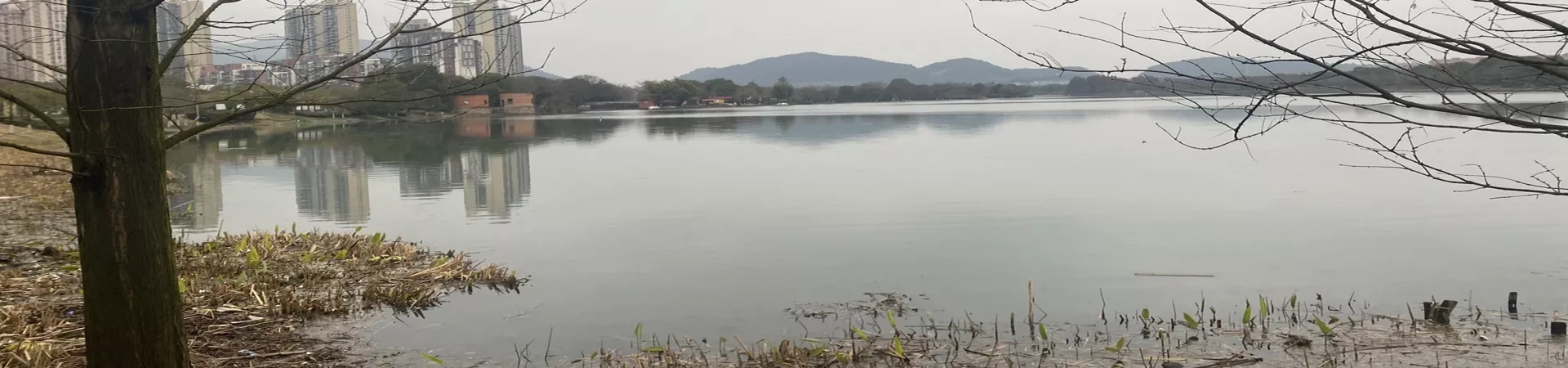
Subtitle: A Serene Urban Oasis for Nature Lovers and Families
1. Introduction to Kongmu River National Wetland Park Nestled within the bustling city of Xinyu in China's Jiangxi Province, Kongmu River National Wetland Park stands as a remarkable testament to ecological conservation and harmonious urban planning. This expansive park is not merely a green space but a carefully preserved national wetland ecosystem, offering a vital habitat for diverse flora and fauna while providing city dwellers and visitors a immediate, accessible retreat into nature. It represents a successful model where urban development and environmental protection coexist, transforming the Kongmu River corridor into a vibrant, living landscape. The park serves multiple roles: a natural "lung" for the city, a sanctuary for biodiversity, a living classroom for environmental education, and a premier destination for recreation, relaxation, and cultural immersion. Its design thoughtfully integrates natural wetland features with visitor-friendly amenities, ensuring an enriching experience for all who wander its paths.
2. Park Overview and Ecological Significance 2.1. Location and Landscape The park is strategically located along the Kongmu River system, weaving through Xinyu's urban fabric. Its landscape is a captivating mosaic of meandering waterways, tranquil lakes, reed beds, marshes, grassy meadows, and wooded areas. This varied topography creates a dynamic and visually appealing environment that changes character with the seasons, ensuring that every visit offers a new perspective.
2.2. Core Ecological Value As a designated national wetland park, its primary function is ecological preservation. Wetlands are among the planet's most productive ecosystems, and Kongmu River is a crucial local example. It acts as a natural water purifier, filtering runoff and improving water quality. The park provides a critical stopover and breeding ground for numerous migratory and resident bird species, making it a hidden gem for birdwatchers. Its biodiversity extends to aquatic life, insects, and a rich variety of plant species, all contributing to a balanced and resilient urban ecosystem.
3. Practical Visitor Information 3.1. Admission and Fees One of the most appealing aspects of Kongmu River National Wetland Park is its commitment to public accessibility. The park operates on a free admission policy for all visitors. There are no entrance gates or tickets required, allowing individuals, families, and groups to enjoy its natural splendors without any financial barrier, encouraging repeated visits and fostering a strong community connection to the environment.
3.2. Operating Hours The park offers exceptional flexibility for visitors by being open 24 hours a day, every day of the year. This "all day" schedule (from January 1st to December 31st, Monday through Sunday) accommodates every preference. Early risers can enjoy the misty dawn and morning birdsong, daytime visitors can explore its full expanse, and evening guests can take leisurely strolls under the stars, enjoying the cool air and peaceful ambiance after sunset.
4. Experiences and Activities within the Park 4.1. Scenic Trails and Transportation A well-maintained network of walking paths, jogging trails, and boardwalks crisscrosses the park. These pathways, including elevated wooden boardwalks that traverse sensitive wetland areas, allow for intimate exploration without disturbing the habitat. Visitors can wander at their own pace, discovering hidden vistas, quiet ponds, and observation points. Bicycles are often welcome on designated routes, offering a faster way to cover more ground.
4.2. Key Attractions and Observation 4.2.1. Birdwatching and Wildlife Observation Equipped with strategically placed observation decks, blinds, and signage, the park is a paradise for nature enthusiasts. Bring a pair of binoculars to spot herons, egrets, kingfishers, and various waterfowl. The changing seasons bring different species, making the park a year-round destination for wildlife photography and quiet contemplation of nature's rhythms.
4.2.2. Educational and Cultural Elements Interpretive signs and displays are located throughout the park, educating visitors on wetland functions, local species, and conservation efforts. The park often incorporates cultural elements that reflect the region's heritage, blending natural beauty with artistic and historical points of interest, telling the story of the land and its relationship with the people of Xinyu.
4.3. Recreation and Leisure Beyond nature observation, the park caters to active recreation. Open lawns are perfect for picnics, family games, or simply lounging with a book. Designated areas for tai chi, yoga, or other gentle exercises are common. The serene water bodies and lush landscapes also provide a profoundly beautiful backdrop for photography, painting, or meditation.
5. Planning Your Visit 5.1. Best Times to Visit While the park is beautiful in any season, spring and autumn offer particularly pleasant weather, with blooming flowers and migratory bird activity. Early mornings and weekdays are generally less crowded, offering a more solitary experience. The 24-hour access means you can also plan a unique visit during a full moon or to escape the midday summer heat.
5.2. Amenities and Accessibility The park is designed to be visitor-friendly. Public restrooms, drinking water stations, and shaded resting areas with benches are typically available. Major pathways are generally accessible for strollers and wheelchairs, ensuring inclusivity. Visitors should come prepared with sun protection, insect repellent, comfortable walking shoes, and their own water and snacks, as commercial facilities might be limited within the core natural areas.
5.3. Conservation Etiquette As a protected area, visitors play a crucial role in its preservation. It is imperative to follow the principle of "leave no trace." This means carrying out all trash, staying on designated paths to protect fragile plant life, avoiding loud noises that disturb wildlife, and never feeding or chasing animals. Respecting these rules ensures the wetland remains pristine and vibrant for future generations.