Hongyang Cave
Subtitle: A Journey Through Time and Stone: Unveiling the Mysteries of Hongyang Cave in Xinyu, China
Introduction: A Portal to the Past
Nestled within the serene landscape of Xinyu City in China's Jiangxi Province, Hongyang Cave (洪阳洞) stands not merely as a geological spectacle but as a silent chronicler of millennia. Far more than a simple tourist attraction, it is an immersive journey into the heart of the earth, where nature's patient artistry and echoes of ancient human endeavor intertwine. This subterranean realm offers visitors a unique opportunity to escape the modern world and traverse through cool, illuminated galleries adorned with breathtaking karst formations, each whispering tales of time's slow passage. A visit here is an exploration of natural wonder, historical intrigue, and cultural legacy, all contained within the majestic embrace of the mountain.
1. The Geological Marvel: Nature's Cathedral
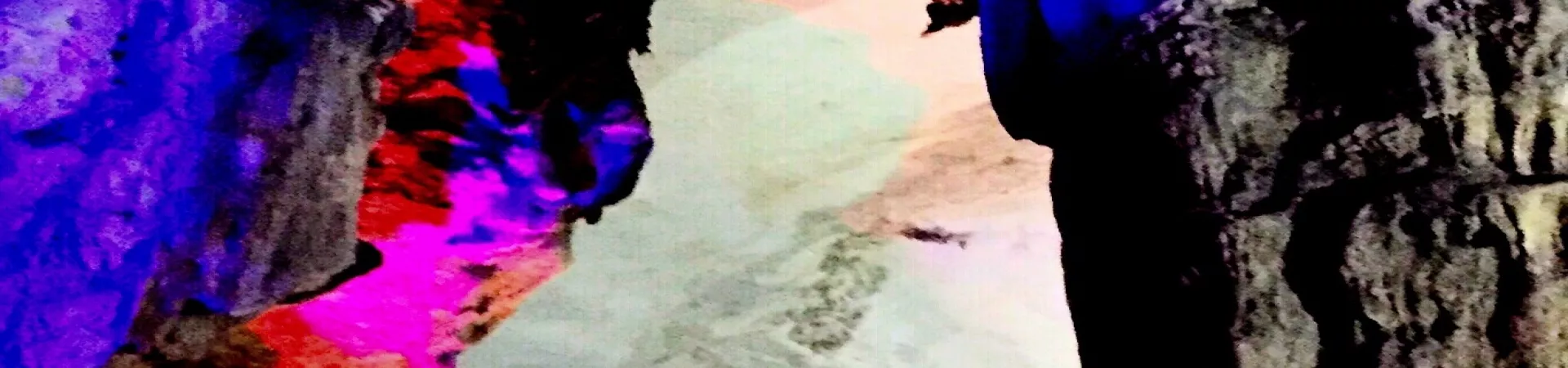
1.1. A Symphony of Stone Formations Stepping into Hongyang Cave is akin to entering a grand, natural cathedral sculpted by water and time. Over countless centuries, the persistent drip and flow of mineral-rich water have carved the limestone bedrock into a fantastical array of speleothems. The caverns are adorned with towering stalactites that hang like frozen waterfalls from the ceilings, while robust stalagmites rise from the floors to meet them, some forming majestic pillars that seem to support the very weight of the mountain. Delicate soda straws, flowing stone draperies, and intricate rimstone pools add layers of texture and wonder to every chamber. Strategically placed lighting illuminates these formations, casting dramatic shadows and highlighting the vibrant hues of the minerals—creams, ambers, and rusty reds—transforming the caves into a dynamic, living art exhibition.
1.2. The Climate and Atmosphere The cave maintains a constant, cool temperature year-round, offering a refreshing respite from the seasonal heat of the Jiangxi region. The air is fresh and carries a distinct, earthy scent, and the pervasive silence is broken only by the occasional drip of water—a reminder of the ongoing, slow-motion creation process. This serene and otherworldly atmosphere immediately instills a sense of awe and tranquility, allowing visitors to fully absorb the scale and beauty of the underground landscape.
2. Historical and Cultural Depths
2.1. Ancient Inhabitants and Legends Hongyang Cave's significance extends far beyond its physical beauty. Archaeological evidence suggests that the cave and its surroundings were inhabited by human communities as early as the Paleolithic era. Its spacious chambers and protected entrance provided shelter and a strategic dwelling place. The cave's name and local folklore are deeply intertwined with the story of Hongyang, a legendary figure often associated with ancient Taoist practices and the quest for immortality. Legends say he cultivated his spiritual practices within these very caverns, imbuing the site with an aura of mystery and spiritual pursuit. This blend of verifiable history and enduring myth enriches the visitor's experience, inviting contemplation of the countless lives and stories connected to this space.
2.2. A Literary and Historical Landmark Throughout China's long literary history, Hongyang Cave has captured the imagination of scholars, poets, and travelers. It is famously mentioned in the seminal Ming Dynasty novel Journey to the West (Xiyouji) as one of the haunts of the mythical Monkey King, Sun Wukong. This association cemented its place in the national cultural consciousness. Over the centuries, numerous intellectuals and officials have visited, leaving behind inscriptions, poems, and calligraphy on the cave walls, turning parts of the grotto into an informal museum of historical epigraphy. These markings provide a tangible link to the past, showcasing the cave's role as a source of inspiration for generations.
3. Planning Your Visit: Practical Information
3.1. Location and Accessibility Hongyang Cave is located approximately 20 kilometers southwest of downtown Xinyu City. The site is well-connected by road, and visitors can reach it conveniently via taxi, ride-hailing services, or local tourist buses. The journey offers glimpses of the picturesque Jiangxi countryside, setting the stage for the natural wonder to come. Ample parking is available near the entrance for those traveling by private vehicle.
3.2. Admission and Operating Hours To facilitate a comfortable and uncrowded experience, the management of Hongyang Cave adheres to specific visitor hours. The cave is open to the public daily from 08:00 to 17:00, throughout the year. It is advisable to plan your arrival with sufficient time to explore the caverns at a leisurely pace before closing. The admission fee is set at 25 RMB per person. This fee contributes to the conservation, lighting, and maintenance of the cave pathways, ensuring the site's preservation for future generations. Visitors should check for any potential updates to pricing or hours prior to their trip, though changes are infrequent.
3.3. Touring the Cave The exploration route through Hongyang Cave is well-developed, featuring paved walkways, staircases, and safety railings that guide visitors through the most spectacular sections. The pathway is designed as a loop, allowing for a comprehensive tour that concludes back near the entrance. Informational signboards in Chinese are placed at key points, explaining the names and characteristics of notable formations. While guided tours in Chinese may be available during peak times, the path is straightforward for independent exploration. The total walking distance inside the cave is manageable for most fitness levels, though some sections involve stairs.
4. Enhancing the Visitor Experience
4.1. Tips for a Fulfilling Exploration To make the most of your visit, wearing comfortable, non-slip walking shoes is essential due to the occasionally damp and uneven surfaces. Even in summer, bringing a light jacket or long sleeves is recommended because of the cool, constant temperature inside. Photography is permitted and encouraged, but a camera with good low-light capabilities or the use of a tripod (if allowed) will yield the best results of the illuminated formations. As with all natural heritage sites, visitors are urged not to touch the stalactites or stalagmites, as skin oils can disrupt their growth and damage these fragile structures.
4.2. The Surrounding Area The experience of Hongyang Cave often begins before entering the mouth of the grotto. The surface area is typically set within a scenic park-like environment. Visitors can enjoy the surrounding forested hills, listen to the sounds of nature, and visit ancillary facilities such as small tea houses or souvenir shops. Taking a moment to appreciate the external landscape provides context and enhances the feeling of discovering a hidden world beneath the mountains. The contrast between the sunlit exterior and the shadowy, majestic interior is a profound part of the overall adventure.