Fu Baoshi Memorial Hall
Subtitle: A Journey into the Heart of Chinese Modern Art: The Fu Baoshi Memorial Hall in Xinyu
1. Introduction: The Artist and His Sanctuary
Nestled within the verdant landscapes of Xinyu City, Jiangxi Province, lies a cultural gem dedicated to one of the most pivotal figures in 20th-century Chinese art: the Fu Baoshi Memorial Hall. More than a conventional museum, this site serves as a profound sanctuary, offering visitors an intimate journey into the life, artistic evolution, and enduring spirit of Master Fu Baoshi (1904-1965). Renowned for his revolutionary contributions to Chinese ink painting, Fu Baoshi seamlessly blended traditional techniques with modern sensibilities, creating landscapes and figures that pulsate with emotional depth and dynamic energy. This memorial hall, often considered a spiritual homecoming for his work, is meticulously designed not merely to display art but to evoke the very essence of his creative world. It stands as a testament to a legacy that continues to define and inspire the trajectory of modern Chinese art, inviting guests to step beyond observation into an immersive experience of artistic genius.
2. Exploring the Memorial Hall: Architecture and Atmosphere
2.1. Architectural Philosophy and Design The architecture of the Fu Baoshi Memorial Hall is itself a silent homage to the artist’s aesthetic principles. The design thoughtfully integrates modern architectural forms with classical Chinese garden elements, reflecting Fu Baoshi’s own artistic methodology of harmonizing the old with the new. Serene water features, strategically placed rockeries, and winding pathways guide visitors through a space that feels both contemplative and expansive. The use of natural light and open layouts ensures that the transition between the built environment and the natural world outside is fluid, mirroring the seamless integration of humanity and nature prevalent in Fu’s landscape paintings. This environment immediately instills a sense of tranquility, preparing the visitor’s mind for the artistic immersion that follows.
2.2. Thematic Layout and Flow The exhibition space is chronologically and thematically organized to narrate the comprehensive story of Fu Baoshi’s life and oeuvre. The journey begins with his early years, tracing his foundational studies in traditional painting and art history, which included pivotal research on the ancient painter Shi Tao. The narrative then progresses through his transformative period in Japan, where exposure to different artistic movements broadened his perspective, and culminates in his mature period, where he developed his iconic, vigorous style characterized by bold, textured brushstrokes known as "Baoshi texture" and ethereal, atmospheric washes. This logical flow allows visitors to appreciate not just individual masterpieces, but the dynamic evolution of an artistic mind.
3. The Core Collection: A Legacy in Ink and Brush
3.1. Masterpieces of Landscape and Emotion The heart of the memorial hall is its unparalleled collection of Fu Baoshi’s original works. His landscapes are not mere representations of scenery but profound expressions of emotion and cosmic vitality. Paintings such as "Soaring Amid the Rivers and Mountains" or "Listening to the Waterfall" showcase his mastery in using ink splashes and layered washes to create dramatic, moving compositions where mountains seem to breathe and rivers flow with palpable energy. The hall provides detailed annotations on his techniques, helping visitors understand the innovation behind his methods, such as the use of rough paper to achieve specific textural effects and his unique approach to depicting light and mist.
3.2. Poetic Figures and Historical Narratives Beyond landscapes, Fu Baoshi was a master of figure painting, often drawing inspiration from ancient poets, scholars, and historical anecdotes. His figures, such as the revered poet Qu Yuan or the legendary beauty Xi Shi, are rendered with lyrical elegance and psychological depth. These works illustrate his deep connection to Chinese cultural history and his ability to infuse classical subjects with a contemporary, humanistic sensitivity. The collection often pairs these paintings with the corresponding poetry or historical context, enriching the viewer’s understanding of the symbiotic relationship between literature, history, and visual art in Fu’s creative process.
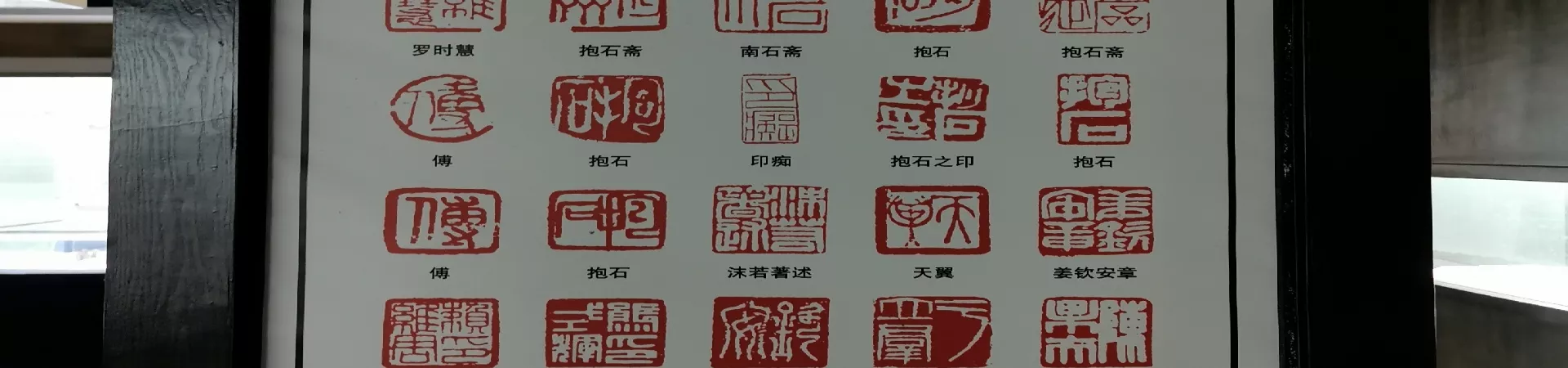
3.3. Personal Artifacts and Scholarly Contributions Complementing the paintings is a carefully curated display of personal artifacts, including the artist’s brushes, inkstones, seals, and manuscripts. These items offer a tangible, human connection to the master, revealing the tools behind the genius. Furthermore, the hall highlights Fu Baoshi’s significant role as an art historian and educator. Exhibits feature his influential publications and theoretical writings, which helped reshape modern understanding of Chinese art history and pedagogy, underscoring his dual legacy as both a practitioner and a scholar.
4. The Visitor Experience: Engagement and Education
4.1. Interactive and Multimedia Enhancements To bridge the gap between historical art and the modern audience, the memorial hall incorporates thoughtful interactive and multimedia elements. High-definition digital displays allow for zooming into the intricate details of brushwork that are difficult to appreciate with the naked eye. Short documentary films feature interviews with art experts and rare archival footage, providing narrative depth. Some interactive stations may even allow visitors to experiment with the basic concepts of ink wash techniques, fostering a hands-on appreciation for the skill involved.
4.2. Educational Programs and Cultural Activities The hall functions as a dynamic cultural center, regularly hosting a variety of educational programs. These include lectures by renowned art historians, masterclasses by contemporary ink painters influenced by Fu’s style, and academic symposiums. Seasonal cultural events, such as calligraphy workshops or poetry recitals held in the memorial’s gardens, extend the artistic experience beyond the gallery walls. For younger visitors, specially designed educational tours and activities aim to cultivate an early appreciation for traditional Chinese art forms.
4.3. Practical Information for Planning Your Visit Prospective visitors are advised to allocate at least two to three hours for a comprehensive tour of the memorial hall. The facility is equipped with essential amenities including a gift shop offering high-quality art reproductions and scholarly books, a rest area, and accessible pathways. To ensure the preservation of the artworks, photography may be restricted in certain galleries, and visitors are encouraged to maintain a quiet, respectful atmosphere. For the most current information on opening hours, special exhibitions, or to inquire about guided tour availability, contacting the memorial hall directly is recommended.
Contact Information: * Telephone: 025-83720987