Xinyang Lingshan
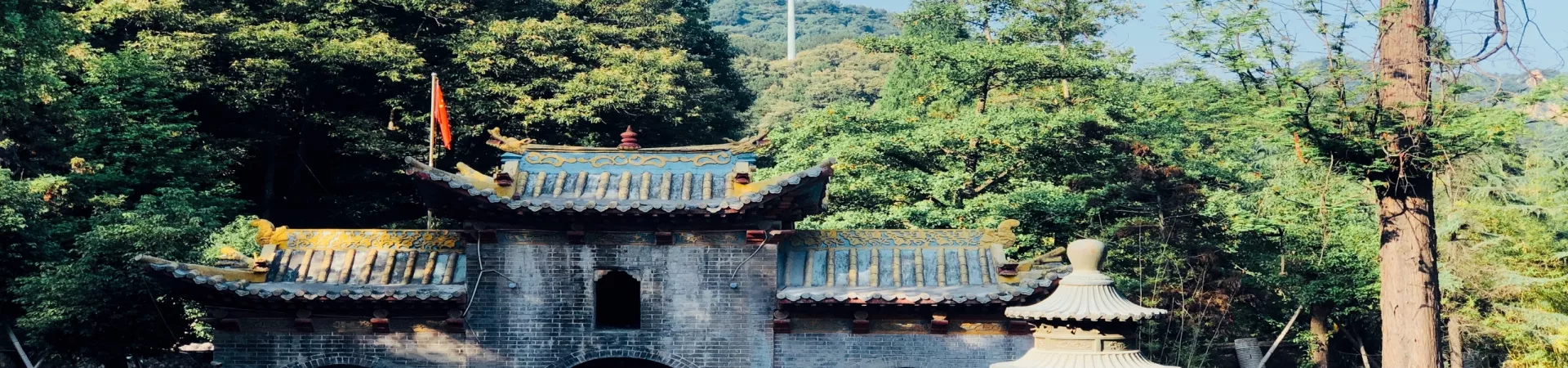
Subtitle: A Sacred Peak in Xinyang: Unveiling the Mysteries of Lingshan
Introduction: Where Clouds Foretell the Rain
Nestled approximately 44 kilometers southwest of Luoshan County in Henan Province, Xinyang Lingshan stands as a majestic and spiritually resonant counterpart to the nearby summer retreat of Jigong Mountain. More than just a geographical landmark, Lingshan is a mountain steeped in legend and natural wonder. Its very name, "Ling" (灵), meaning "spiritual" or "efficacious," was bestowed not by chance but by observed phenomenon. Originally named Ba Mountain, it earned its current title because locals historically noted that whenever clouds shrouded its summit, rain would surely follow—an observation said to be unfailingly accurate. This mystical attribute sets the tone for a visit, promising an encounter with a landscape that feels deeply connected to the elements. Covering a substantial area of 40 square kilometers, the mountain is crowned by its main peak, Jinding (Golden Summit), which reaches an elevation of 827.7 meters, making it the second-highest peak in Luoshan County.
1. A Landscape of Natural Grandeur and Spiritual Ambiance
1.1. The Terrain and Ecosystem Lingshan's expansive 40-square-kilometer area encompasses a rich tapestry of natural features. The journey from its forested foothills to the exposed granite summit of Jinding takes visitors through diverse microclimates and ecological zones. Dense forests of pine, bamboo, and broad-leaved trees cloak the lower and middle slopes, providing a habitat for diverse birdlife and creating a serene, shaded environment for hiking trails. The air is notably fresh, often cool and misty, especially in the early mornings or before rainfall, living up to its cloud-gathering reputation. As one ascends, the vegetation changes, giving way to rugged rock formations and shrubs, culminating in the breathtaking, open vistas from the top.
1.2. The Ascent to Jinding (Golden Summit) The climb to the 827.7-meter-high Jinding is the central physical challenge and reward of a trip to Lingshan. The summit offers panoramic views that are nothing short of spectacular. On a clear day, the rolling hills of the Dabie Mountains stretch into the distance, and one can gaze across the landscape to see the famed Jigong Mountain. The summit itself is often windswept and dramatic, with ancient pine trees clinging tenaciously to the granite. Reaching Jinding, particularly at sunrise or sunset, is a transformative experience, where the physical effort melts away into a sense of awe and spaciousness.
2. Cultural and Religious Significance: A Mountain of Harmony
2.1. A Unique Taoist and Buddhist Coexistence Beyond its physical beauty, Lingshan's profound significance lies in its status as a sacred mountain. It is renowned throughout the region for its exceptional history of harmonious coexistence between Taoist and Buddhist traditions. For centuries, temples and monasteries from both faiths have been built on its slopes, often in close proximity. This rare syncretism is a testament to the mountain's overarching spiritual aura, which transcends individual religious doctrines. Pilgrims and visitors alike come not just to admire the scenery but to seek blessings, find peace, and witness this unique cultural fusion.
2.2. Architectural Heritage: Temples and Monasteries Scattered along the pilgrimage paths and nestled in secluded clearings are numerous historical religious sites. The architecture reflects styles from different periods, with traditional Chinese temple features like upturned eaves, intricate woodwork, and statues of deities and buddhas. The sound of temple bells and the scent of incense are common accompaniments to the mountain's natural soundscape. Key sites often include temples dedicated to Taoist immortals and Buddhist halls for meditation and worship. Each structure adds a layer of historical and spiritual depth to the hiking experience.
3. Practical Information for the Visit
3.1. Admission and Operating Hours Lingshan is accessible to visitors year-round. The standard admission fee is 50 Chinese Yuan (RMB). The mountain operates on a 24-hour open schedule, meaning visitors can enter at any time. This allows for exceptional flexibility, enabling ambitious hikers to undertake night hikes to witness the sunrise from Jinding or simply to enjoy the mountain's tranquility outside of peak daytime hours. It is always advisable to check for any official updates or special notices before planning your trip.
3.2. Contact Information For specific inquiries, particularly regarding group visits or special circumstances, the administrative office can be contacted at +86 376 2255299.
4. Planning Your Journey to Lingshan
4.1. Optimal Times for Visiting While Lingshan is beautiful throughout the year, each season offers a distinct character. Spring (April-May) brings blooming wildflowers and vibrant green foliage. Summer (June-August) is lush and offers an escape from the lowland heat, though it is also the rainy season, when the mountain's famous cloud phenomena are most frequent. Autumn (September-October) is arguably the most popular, with clear, crisp air, stable weather, and stunning fall colors. Winter (November-March) can be cold, especially at the summit, but presents a stark, serene beauty and the possibility of seeing frost or snow-covered landscapes.
4.2. Recommended Activities and Preparation A visit to Lingshan is primarily centered on hiking and cultural exploration. Visitors should come prepared with sturdy, comfortable footwear, water, snacks, and weather-appropriate clothing—layers are essential as temperatures can vary significantly with altitude. The trails vary in difficulty; some are well-paved stone steps, while others are more natural and rugged. Allocate a full day to adequately explore the main trails, visit several temples, and reach the summit without rush. Beyond hiking, activities include photography, birdwatching, pilgrimage, and simply meditating in the peaceful surroundings.
4.3. Connectivity and Nearby Attractions Lingshan's location makes it an excellent component of a broader exploration of Xinyang. Its visual and thematic link to Jigong Mountain, a famous summer resort known for its historic colonial-era architecture and cooler climate, allows travelers to experience two contrasting yet complementary facets of the region's mountainous heritage. Visitors often combine trips to both sites. The area is connected by road, and travel from Xinyang city or Luoshan county requires a bus or private vehicle. The journey through the countryside is part of the experience, offering glimpses of rural Henan life.