Tangquan Pool
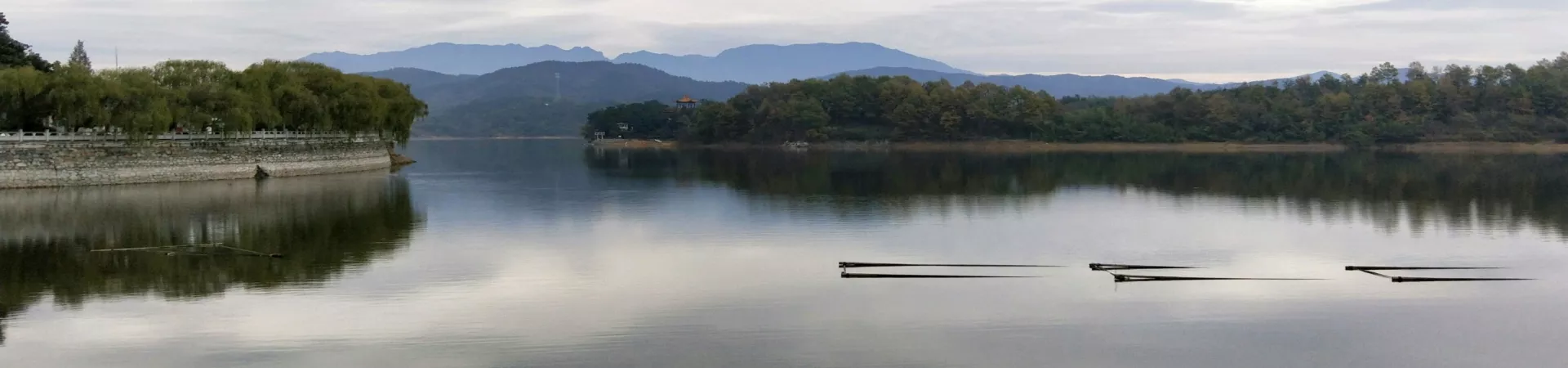
Subtitle: A Journey Through Time and Wellness in Xinyang's Premier Hot Spring Resort
1. Introduction to Tangquanchi Scenic Area
Nestled within the lush, rolling landscapes of Xinyang City in Henan Province, the Tangquanchi Scenic Area stands as a renowned destination that masterfully blends profound historical heritage with exceptional natural therapeutic resources. More than just a picturesque mountain retreat, it is a sanctuary of wellness, celebrated for over a century for the remarkable medicinal properties of its geothermal springs. This unique fusion of serene natural beauty, a rich tapestry of cultural history, and scientifically acknowledged healing waters offers visitors a holistic escape—one that rejuvenates the body, calms the mind, and connects one with China's illustrious past. The area's reputation is built upon a foundation of ancient geological processes, centuries of royal endorsement and scholarly admiration, and a enduring legacy as a center for health restoration.
2. The Healing Waters: Nature's Therapeutic Gift
2.1. Geological Origins and Composition The heart of Tangquanchi's allure lies in its hot springs, a precious gift from nature formed approximately 100 million years ago. These are not ordinary springs; they are a rare and beneficial blend emerging from three main source vents. The waters are scientifically classified as mild thermal springs, rich in silica (forming a siliceous spring), and containing beneficial levels of fluoride. This specific mineral composition is the key to their wide-ranging therapeutic effects.
2.2. Therapeutic Effects and Applications For generations, these springs have been sought after for their potent healing capabilities. The treatment principle combines thermal effects—the heat which improves blood circulation, relaxes muscles, and eases joint stiffness—with chemotherapeutic effects from the dissolved minerals. This dual action makes the waters exceptionally effective in treating a variety of ailments. Clinical observations and historical records indicate significant benefits for: * Skin diseases and rheumatism: Notably, these conditions have historically shown recovery rates exceeding 80%, making it a premier destination for such treatments. * Digestive system disorders: Including various chronic gastrointestinal issues. * Neurological and respiratory conditions. * Post-surgical recovery, gynecological conditions, and general fatigue.
The practice of "balneotherapy" (therapeutic bathing) here is thus supported by both traditional belief and the demonstrable physical and chemical properties of the water.
3. A Tapestry of History and Culture
3.1. Imperial Endorsement and Early Development The significance of Tangquanchi was formally recognized during the Qing Dynasty. In the 25th year of Emperor Qianlong's reign (1760 AD), the emperor himself visited the springs. Deeply impressed, he wielded his imperial brush to inscribe the name "Tang Keng" (汤坑, meaning "Hot Spring Pool"), and a stele was erected to commemorate his visit and endorsement. This royal act elevated the site's status immensely. Later, during the Jiaqing period, the local government established a "Hot Spring Academy" (温泉书院), transforming the area into a scholarly retreat. Infrastructure was developed with the construction of segregated bathing pools for officials, men, and women, alongside laundry pools and warm water wells, systematizing the use of the springs for both hygiene and therapy.
3.2. Legacy of Scholars and Poets Beyond imperial circles, Tangquanchi has long been a magnet for intellectuals, poets, and artists drawn by its beauty and legendary waters. The great Ming Dynasty philosopher and literary figure Li Zhi once journeyed here, as did the Qing Dynasty local scholar Wang You. Inspired by the serene environment and the mystical steam rising from the pools, they composed verses that have become an integral part of the site's cultural heritage. Lines such as "Washing the heart in a thousand streams of water, cleansing the feet in the palace of hot springs" and "The hidden pulse of Thunder Mountain connects to the hot spring, utterly resembling a paradise distinct from Huaqing" (a reference to the famous Huaqing Pool) poetically capture the transcendent experience of the locale, linking its physical warmth to spiritual and emotional renewal.
4. Practical Visitor Information
4.1. Operating Hours The Tangquanchi Scenic Area is open to visitors year-round, offering access to its facilities and bathing pools throughout all seasons. * Opening Hours: 09:00 – 23:30 * Days of Operation: Monday through Sunday * Seasonal Availability: These hours are maintained from January 1st to December 31st.
4.2. The Modern Visitor Experience Today, the Tangquanchi Scenic Area has evolved into a comprehensive resort while preserving its historical essence. Visitors can explore the historical sites, including the commemorative stele, and imagine the scholars debating in the old academy. The core experience, however, remains immersion in the therapeutic waters. Modern, hygienic bathing facilities and spa services allow contemporary travelers to partake in the same restorative rituals enjoyed by emperors and poets centuries ago. Set against the backdrop of tranquil mountains and forests, a visit here is a step into a living tradition of wellness, offering a profound sense of peace and a tangible connection to China's natural and cultural history.