Jinlan Mountain Forest Park
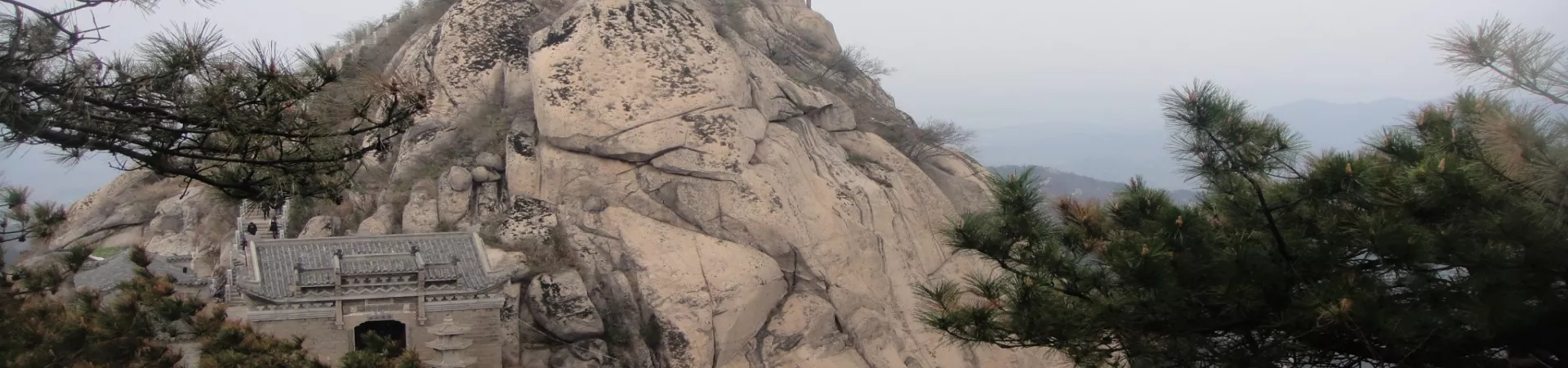
Subtitle: A Comprehensive Guide to Jinlan Mountain Forest Park, Xinyang: Nature's Sanctuary in Central China
Introduction: The Emerald of Henan
Nestled in the heart of Xinyang City, Henan Province, Jinlan Mountain Forest Park stands as a magnificent testament to China's rich natural heritage. Far more than just a green space, it is a meticulously preserved ecosystem, a cultural landmark, and a sought-after retreat for those looking to escape the urban frenzy. The park encompasses a vast area of lush, rolling mountains, dense primordial forests, crystal-clear streams, and unique geological formations. Its name, "Jinlan," evokes images of golden orchids, hinting at the botanical treasures within. This guide synthesizes essential visitor information with insights into the park's ecological and experiential offerings, providing a detailed blueprint for an immersive journey into one of Central China's most captivating natural wonders.
1. Planning Your Visit: Essential Practical Information
A smooth visit begins with good planning. Here are the critical logistical details every traveler needs to know.
1.1. Admission and Operating Hours * Ticket Price: The standard admission fee is 50 RMB per person. This fee contributes to the conservation and maintenance of the park's extensive trails and facilities. Discounts may be available for students, seniors, and groups, though it is advisable to verify this at the official ticket office or through authorized travel platforms prior to your visit. * Opening Hours: The park is open daily from 8:00 AM to 6:00 PM. The final admission is strictly at 6:00 PM, after which no visitors are permitted to enter. This schedule is consistent throughout the year, from January 1st to December 31st. It is highly recommended to arrive well before the last entry time to allow for a fulfilling exploration.
1.2. Recommended Duration and Best Time to Visit * Time Reference: To truly appreciate the scale and beauty of Jinlan Mountain, a visit of 3 hours or more is strongly recommended. A half-day allows for a relaxed pace to walk the main trails, visit key scenic spots, and soak in the atmosphere. Dedicated hikers or photography enthusiasts may easily spend a full day exploring its deeper recesses. * Seasonal Highlights: Each season paints the park in a different palette. Spring (April-May) brings a vibrant explosion of wildflowers and blossoming trees, with comfortable temperatures ideal for hiking. Summer (June-August) offers a cool, shaded refuge from the heat, with the forest canopy at its densest. Autumn (September-November) is arguably the most spectacular, as the foliage transforms into a breathtaking mosaic of reds, oranges, and golds. Winter (December-February) presents a serene, stark beauty, with occasional frost or snow dusting the evergreen pines and rugged cliffs.
2. Exploring the Natural Tapestry: Landscapes and Ecology
Jinlan Mountain Forest Park is a masterpiece of natural design, where geology, hydrology, and biology intertwine.
2.1. Geological Marvels and Forest Canopy The park's topography is characterized by undulating mountains composed of ancient rock formations. Over millennia, weathering has sculpted intriguing features such as peculiar rock pillars, tranquil caves, and overlooks that command panoramic views. The forest itself is a diverse ecosystem, transitioning from mixed broadleaf and coniferous forests at lower elevations to more hardy, wind-swept species near the peaks. This vertical zonation creates a constantly changing visual experience as you ascend.
2.2. Hydrological Features: Streams and Waterfalls Water is the lifeblood of the park. Numerous mountain springs feed into clear, babbling streams that cascade over rocks, creating a soothing auditory backdrop. After periods of rain, these streams swell, giving rise to several graceful waterfalls. These aquatic features not only enhance the scenic beauty but also significantly increase the local humidity, supporting a luxuriant undergrowth of ferns and mosses.
2.3. Biodiversity: A Sanctuary for Flora and Fauna The park serves as a crucial sanctuary for biodiversity. It is home to a wide variety of plant species, including several protected and rare types like the namesake golden orchid. The dense woods provide habitat for birds, small mammals, and countless insects. Patient and quiet visitors might be rewarded with sightings of colorful pheasants or the melodies of songbirds. This rich biodiversity makes the park a living laboratory and a vital green lung for the region.
3. The Visitor Experience: Activities and Trails
Beyond passive observation, the park encourages active engagement through a network of well-developed facilities and trails.
3.1. Hiking and Trekking Routes A system of marked trails caters to all fitness levels. * Leisurely Walks: Paved or well-maintained gravel paths wind through the lower valleys and along streams, suitable for families and casual walkers. These often lead to easily accessible scenic points like pavilions or small bridges. * Moderate to Challenging Hikes: For more adventurous visitors, steeper trails climb towards the mountain ridges and summits. These paths, often consisting of stone steps, offer more strenuous exercise and are rewarded with breathtaking, elevated vistas of the surrounding forested landscape.
3.2. Key Scenic Areas and Lookout Points Throughout the park, strategically located platforms and pavilions offer framed views of the most impressive landscapes. These are perfect spots for rest, photography, and contemplation. Reaching a high-elevation lookout, especially at sunrise or sunset, provides an unforgettable perspective on the park's vastness.
3.3. Cultural and Educational Elements Interspersed with the natural scenery, visitors may encounter elements of local culture and history. This could include small, historically significant temples, stone inscriptions, or interpretive signs explaining the ecological significance of certain areas. These touches add a layer of depth, connecting the natural environment to the human history of the Xinyang region.
4. Tips for a Responsible and Enjoyable Visit
To ensure a safe and respectful experience for yourself and the preservation of the park, consider the following guidelines.
4.1. What to Wear and Bring * Footwear: Sturdy, comfortable walking or hiking shoes with good grip are essential, as trails can be uneven, slippery, or steep. * Clothing: Dress in layers suitable for the season. Temperatures can be cooler at higher elevations, and weather can change quickly. A light rain jacket is advisable. * Supplies: Carry sufficient water and some high-energy snacks. While there may be small vendors near the entrance, options inside the park are limited. Sunscreen, a hat, and insect repellent are recommended in warmer months.
4.2. Health, Safety, and Etiquette * Fitness Level: Honestly assess your physical condition before attempting the more challenging trails. Take breaks as needed. * Stay on Marked Paths: For your safety and to protect fragile plant life, always remain on designated trails. Do not venture into unmarked or closed areas. * Leave No Trace: This is a fundamental principle. Carry out all trash, including food wrappers and bottles. Do not pick plants, disturb wildlife, or deface rocks and structures. * Respect Other Visitors: Maintain a peaceful atmosphere by keeping noise levels moderate, especially in serene forest areas.
4.3. Connectivity and Facilities * Mobile Signal: Signal strength can be weak or intermittent in deep valleys and remote areas of the park. Inform someone of your plans if hiking alone. * Amenities: Basic public facilities such as restrooms are typically available at the main entrance and at major rest points along primary trails. It is wise to use them when you see them.