The Hubei Henan Anhui Revolution Memorial Hall
Subtitle: A Journey Through Revolutionary History: The Memorial Hall of the Hubei-Henan-Anhui Soviet Area in Xinyang
I. Introduction: A Portal to a Pivotal Era
Nestled in the historic city of Xinyang, in China's Henan province, the Memorial Hall of the Hubei-Henan-Anhui Soviet Area stands as a profound testament to a critical chapter in modern Chinese history. This institution is far more than a conventional museum; it is a meticulously curated portal to the revolutionary fervor, strategic struggles, and immense sacrifices that characterized the Chinese Communist Revolution in the early 20th century. Dedicated to preserving and interpreting the legacy of the Hubei-Henan-Anhui Soviet—one of the largest and most significant revolutionary bases established during the Agrarian Revolutionary War—the memorial hall offers visitors a comprehensive, immersive, and deeply moving exploration of the people, events, and ideals that shaped the nation's destiny. Through its extensive collections, detailed exhibitions, and evocative environments, it serves as an essential destination for anyone seeking to understand the roots of contemporary China, the resilience of its people, and the complex narrative of its path to liberation.
II. Historical Context: The Crucible of the Hubei-Henan-Anhui Soviet
A. The Strategic Significance of the Region The location of this memorial hall is not incidental. Xinyang and the surrounding border regions of Hubei, Henan, and Anhui provinces occupy a strategically vital position in central China. During the late 1920s and early 1930s, this mountainous and densely forested terrain provided an ideal natural fortress for revolutionary forces. Its relative remoteness from the direct control of the Nationalist (Kuomintang) government in Nanjing, combined with widespread local discontent over social and economic conditions, created fertile ground for the establishment of a Soviet-style base area. The Hubei-Henan-Anhui Soviet became a crucial experiment in grassroots governance, military strategy, and social reform, directly challenging central authority and inspiring similar movements across the country.
B. Key Figures and Revolutionary Leadership The establishment and survival of the Soviet were spearheaded by a cadre of dedicated revolutionaries. The memorial hall pays detailed tribute to leaders such as Xu Xiangqian, one of the Ten Marshals of the People's Liberation Army, who served as the chief military commander in the region. Other pivotal figures include Zhang Guotao, a founding member of the Chinese Communist Party, and a host of local commanders and political workers whose stories are brought to life through personal artifacts, documents, and biographical exhibits. The narrative emphasizes not just the top leadership but also the countless local peasants, workers, and soldiers whose collective participation formed the backbone of the revolutionary base.
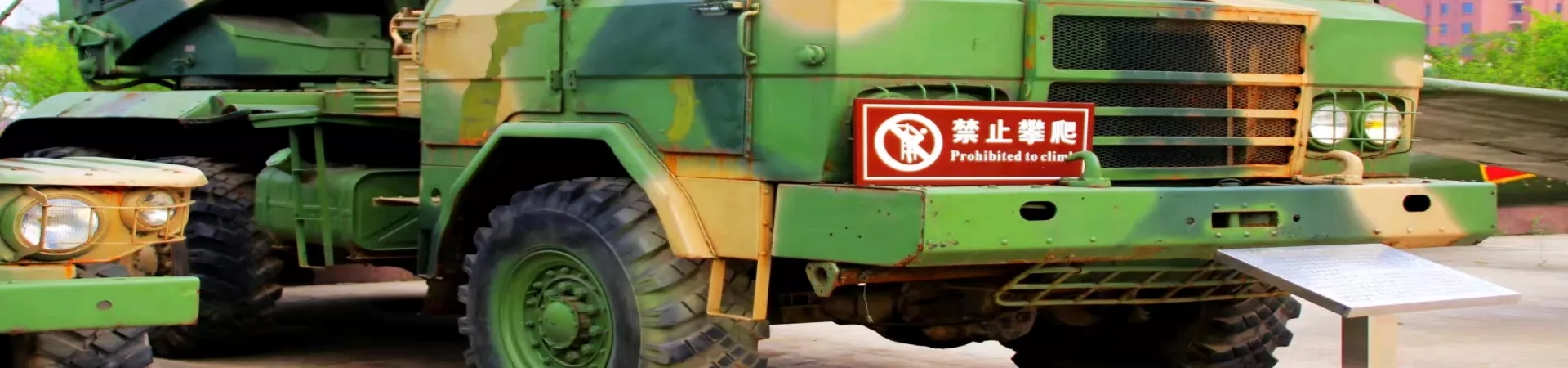
C. Military Campaigns and the Struggle for Survival Life within the Soviet was defined by constant struggle. The memorial hall's military history section meticulously documents the famous campaigns and counter-encirclement efforts undertaken by the Red Army's Fourth Front Army. Exhibits feature detailed maps, weaponry (from rudimentary spears and rifles to captured artillery), uniforms, and strategic communiques. These displays illustrate the guerrilla tactics, mobile warfare, and sheer tenacity required to resist repeated and often brutal "Encirclement and Suppression" campaigns launched by Nationalist forces. This section powerfully conveys the extreme hardships endured and the high cost of resistance.
III. The Memorial Hall Experience: Architecture and Exhibition
A. Architectural Design and Symbolic Landscape The memorial hall itself is a modern architectural complex designed with solemnity and symbolic meaning. Its layout often incorporates elements reminiscent of fortress walls or the sweeping lines of the surrounding Dabie Mountains, creating a sense of solidity and permanence. Expansive open squares, solemn sculptures of revolutionary heroes, and carefully landscaped grounds set a contemplative tone before visitors even enter the main exhibition buildings. The architecture physically and emotionally prepares guests for the historical journey within.
B. Permanent Exhibition Galleries The core of the visit lies in the permanent exhibition, typically organized chronologically and thematically across several large halls. 1. The Seeds of Revolution: This gallery explores the social and economic conditions in rural China that led to widespread unrest. It uses historical photographs, land deeds, tenant farming contracts, and textual explanations to depict the oppression and poverty that fueled the revolutionary impulse. 2. Forging the Soviet: Here, the focus shifts to the political and military processes of establishing the base area. Exhibits include replicas of simple Soviet government offices, documents outlining land reform policies, and propaganda posters and newspapers like the Soviet Daily that were used to mobilize the populace and spread revolutionary ideas. 3. Life and Society in the Base Area: Moving beyond warfare, this section offers a fascinating glimpse into daily life. It showcases how education was promoted through makeshift schools, how healthcare was provided in field hospitals, and how economic activities like agriculture and small-scale industry were maintained under blockade. Cultural artifacts, such as revolutionary songs, plays, and folk art adapted with political themes, highlight the efforts to build a new society. 4. The Long March and Legacy: A particularly poignant section covers the departure of the main Red Army forces from the area in 1934, as part of the strategic retreat known as the Long March. It details the perseverance of local guerrillas who remained behind to continue the struggle. The gallery concludes by tracing the legacy of the Soviet's veterans in the subsequent War of Resistance against Japan and the Chinese Civil War.
C. Special Features and Artifacts The hall's collection is anchored by numerous primary source materials and rare artifacts. These may include: * Personal belongings of key leaders, such as Xu Xiangqian's field glasses or handwritten notes. * Original military banners, flags, and insignia of Red Army units. * A diverse array of period weapons, from homemade "Dadao" knives to imported rifles. * A rich archive of photographs, letters, and firsthand testimonies collected from veterans and their descendants. * Dioramas and large-scale oil paintings that dramatically recreate critical historical scenes, such as pivotal battles or mass rallies.
IV. Practical Information for Visitors
To plan a seamless and respectful visit, please note the following essential details.
A. Opening Hours and Admission The Memorial Hall is open to the public throughout the year, with specific schedules for different days. * Tuesday to Sunday: The hall is open from 09:00 to 17:00. The last admission is at 16:30. Visitors are advised to arrive with sufficient time to fully experience the exhibitions before closing. * Monday: The memorial hall is typically closed for maintenance, except on certain national holidays which may alter this schedule. It is always recommended to verify ahead of your visit if planning a trip on a Monday.
B. Location and Contact Information The memorial hall is located within Xinyang city, Henan Province. For the most precise directions using local transportation or navigation apps, it is best to search using its official Chinese name. For any inquiries regarding group visits, special exhibitions, or accessibility services, you can contact the administration office. * Telephone: +86 376 6352016
C. Suggested Visitor Etiquette As a site of historical remembrance and reverence, visitors are encouraged to maintain a respectful demeanor. Speaking in moderated tones, refraining from touching exhibits unless explicitly permitted, and following the guidance of on-site staff and signage helps preserve the solemn atmosphere. Photography is often allowed in permanent exhibition areas, but the use of flash or tripods may be restricted to protect delicate artifacts; always check for posted rules.