General Xu Shiyou's Tomb
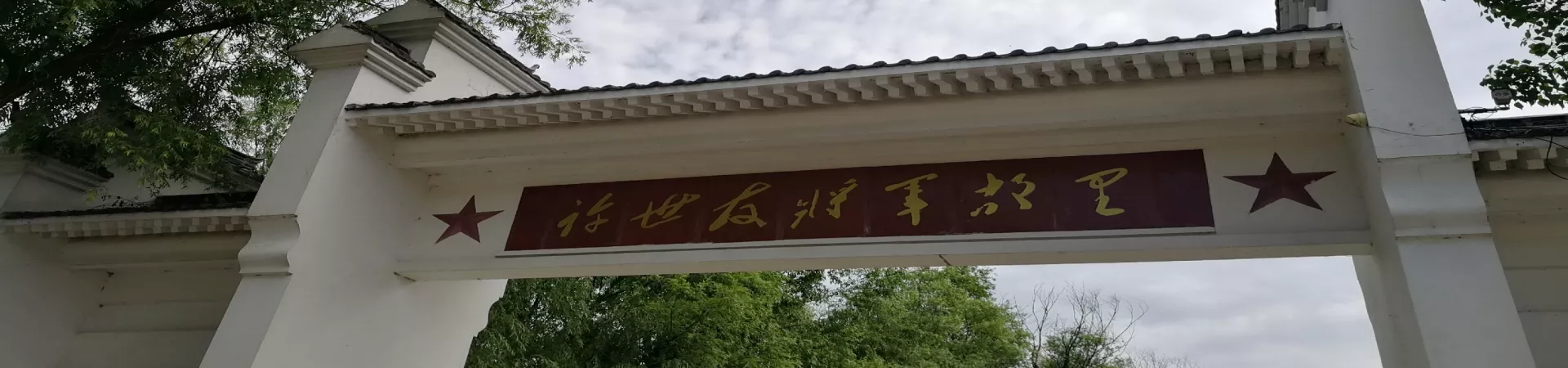
Subtitle: A Journey to the Final Resting Place of a Revolutionary Military Leader
1. Introduction: A Site of Historical Reverence in Xinyang's Embrace
Nestled within the verdant, rolling landscapes of Xinyang City in China's Henan province lies a site of profound historical and personal significance: the Tomb of General Xu Shiyou. More than just a memorial, this location serves as a poignant testament to the life of one of the Chinese Communist Party's most celebrated, charismatic, and unorthodox military commanders from the revolutionary era. The tomb is situated in the general's hometown area, a choice that reflects his deep, enduring connection to the land and its people, away from the grander national cemeteries. For visitors, it offers a unique opportunity to engage with a pivotal chapter of modern Chinese history through the lens of a highly individual figure. The journey to the site, often involving travel through the scenic Dabie Mountain region, itself a historic revolutionary base, sets the stage for contemplation. The atmosphere here is one of respectful solemnity, blending personal homage with national historical narrative. It attracts not only veterans, history enthusiasts, and students but also ordinary citizens paying their respects to a folk-hero-like figure renowned for his loyalty, martial prowess, and straightforward character.
2. Historical Context: The Life and Legacy of General Xu Shiyou
2.1. From Martial Artist to Military Commander To understand the reverence for this site, one must appreciate the extraordinary life of Xu Shiyou (1905-1985). His journey began not in a military academy but in the Shaolin Temple, where he spent years as a young monk training in martial arts. This background forged his exceptional physical strength, personal courage, and a unique, disciplined mindset. He joined the Communist forces in the 1920s, and his martial skills and fearless leadership quickly propelled him through the ranks. He became a legendary figure in the Red Army, renowned for leading from the front and executing daring maneuvers during the Long March, the War of Resistance against Japan, and the Chinese Civil War.
2.2. A Complex and Beloved Figure General Xu was known for his fiery temper, unwavering loyalty to Mao Zedong, and a straightforward, sometimes blunt, demeanor that endeared him to his troops and the common people. He commanded the crucial Nanjing Military Region during sensitive times. His legacy is a complex tapestry of fierce military success, deep personal convictions, and a reputation for simplicity and connection to his rural roots. His explicit wish to be buried in his hometown, rather than in Beijing, speaks volumes about his character and is a central reason why this tomb exists in Xinyang.
3. The Tomb and Its Surroundings: A Design of Profound Simplicity
3.1. Location and Access The tomb is located in Xinyang City, Henan Province. Precise directional details should be confirmed via updated maps or local guides. For inquiries, the site management can be contacted at 0376-2677096 or 0376-2677003.
3.2. Architectural and Natural Setting In stark contrast to the grandeur of some state mausoleums, General Xu's tomb is marked by a powerful, austere simplicity. The approach is typically a climb up a hillside, symbolizing reverence and effort. The core tomb structure itself is often a substantial, unadorned granite block or a simple earth mound, emphasizing solidity and a return to the earth. The headstone is usually plain, bearing only his name and vital dates. This minimalist design intentionally reflects the General's own purported dislike for pomp and his essential, down-to-earth nature. The site is enveloped by pine and cypress trees, traditional Chinese symbols of longevity, resilience, and eternal remembrance. The quiet rustle of leaves and the clean mountain air create a natural sanctuary for reflection, separating the visitor from the bustle of everyday life and focusing attention on memory and history.
3.3. The Visitor Experience Visitors walk along defined paths, often pausing at a nearby memorial hall or exhibition area which houses photographs, personal artifacts, and documents outlining his military campaigns and life. These exhibits provide crucial context, illustrating his journey from a Shaolin disciple to a general of an army. The act of paying respects at the tomb is usually quiet and personal. It is common to see visitors placing flowers or simply standing in silent contemplation before the grave. The overall experience is less about spectacular architecture and more about connecting with the spirit of the person and the weight of the historical period he helped to shape.
4. Practical Information for Visitors
4.1. Opening Hours and Best Times to Visit The tomb complex is open to the public year-round. The operating hours are 08:00-17:00, Monday through Sunday. It is advisable to confirm these hours locally before planning a long journey, as they can be subject to change for maintenance or official ceremonies. The most pleasant times to visit are during spring (April-May) and autumn (September-October), when the weather in Henan is mild and the natural surroundings are particularly beautiful. Summers can be hot and humid, while winters are cold.
4.2. Etiquette and Conduct As a place of solemn remembrance, appropriate decorum is expected. Visitors should dress respectfully and speak quietly. It is important to follow all posted guidelines, refrain from touching any monuments disrespectfully, and dispose of any litter properly. Photography may be permitted in outdoor areas, but restrictions often apply inside any memorial halls or exhibition spaces; signs should be observed or permission asked.
4.3. Planning Your Journey Xinyang is accessible by high-speed rail and highway. From Xinyang city center, local transportation such as taxis or buses are required to reach the specific tomb site. Allocating 1.5 to 3 hours for the entire visit is recommended to fully experience the exhibition areas, the walk to the tomb, and time for contemplation. While the area may have basic facilities, it is prudent to bring water, especially for the walk uphill. Combining a visit here with other historical sites in the Dabie Mountain region can provide a deeper, more comprehensive understanding of the local revolutionary history.