Xiyagou Walled Highway
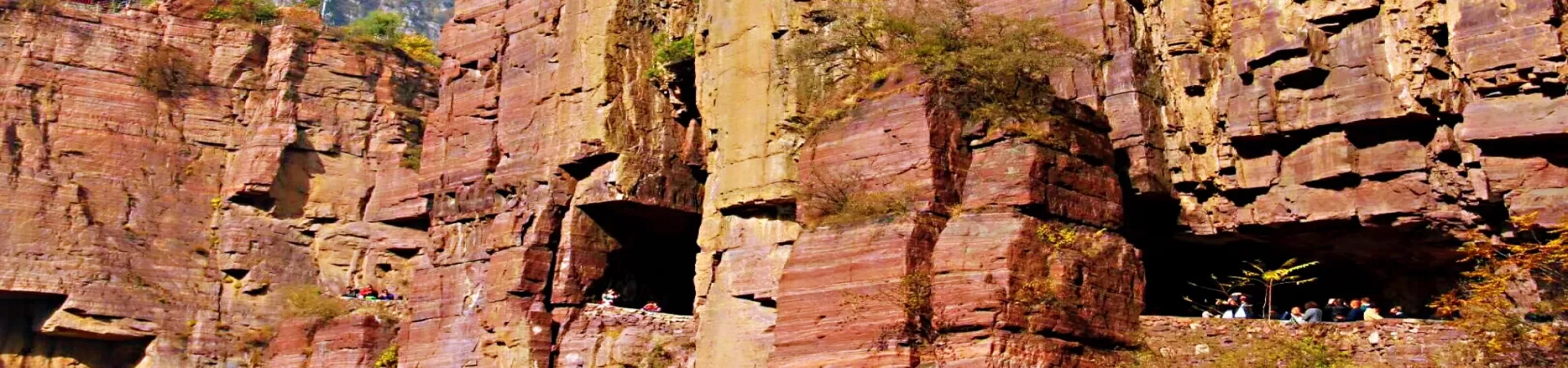
Subtitle: A Journey Through the Cliffs: Exploring Xiyagou Hanging Highway in Xinxiang
1. Introduction: A Road Carved from Sheer Will Nestled within the vast and rugged landscape of China's Henan province, near the city of Xinxiang, lies an extraordinary feat of human engineering and perseverance: the Xiyagou Hanging Highway. More than just a road, it is a testament to the indomitable spirit of a remote village community that refused to be isolated by the formidable Taihang Mountains. This "hanging" or "cliffside" road is precisely what its name suggests—a narrow, winding pathway meticulously carved into the face of near-vertical cliffs, offering one of the most dramatic and awe-inspiring driving or hiking experiences in China. It stands not only as a vital transportation link but as a powerful symbol of resilience, transforming a secluded ravine into a destination that captivates adventurers, photographers, and cultural enthusiasts alike.
2. The Historical Saga: Three Decades of Determination 2.1. Isolation and the Spark of an Idea For centuries, the villagers of Xiyagou were imprisoned by their own breathtaking geography. Encircled by towering cliffs of the Taihang range, the village existed in profound isolation, with access limited to treacherous footpaths. This seclusion meant hardship, poverty, and limited contact with the outside world. The dream of a road—a lifeline—was born from necessity, a collective desire to break free from their natural fortress.
2.2. The Manual Marvel: Chisels, Hammers, and Tenacity In the 1960s, with no modern machinery or substantial government funding, the villagers of Xiyagou embarked on a seemingly impossible project. Armed with simple tools like chisels, hammers, and dynamite, and fueled by sheer determination, they began the arduous task of hacking a road out of the solid rock. The project spanned over three decades, with generations of villagers contributing their labor and, tragically, some their lives. The construction process was a monumental struggle against the elements and gravity itself, involving workers dangling from ropes to drill blast holes and painstakingly clearing rubble.
2.3. Completion and Legacy Finally completed in the 1990s, the Xiyagou Hanging Highway stretched approximately 7.5 kilometers in length. Its completion was nothing short of a miracle, heralding the end of Xiyagou's isolation. The road is celebrated as a modern-day "Foolish Old Man Who Moved the Mountains" tale, a powerful Chinese parable about persistent effort overcoming immense obstacles. This history imbues every meter of the highway with profound meaning, making a journey here a passage through a living museum of human endeavor.
3. The Visitor Experience: Navigating the Cliffside 3.1. The Drive: A Adrenaline-Fueled Panorama Traversing the Xiyagou Hanging Highway is an unforgettable experience. The road is narrow, often allowing only single-lane traffic, with the rock wall on one side and a sheer, heart-stopping drop on the other. A series of dozens of "windows" carved at intervals along the tunnel are its most distinctive feature. These openings serve dual purposes: they provided ventilation and a means to dispose of rubble during construction, and now they frame spectacular, ever-changing vistas of the deep valley below, jagged peaks opposite, and the vast sky. * Driving Tips: It is essential to proceed with caution. Drivers should use headlights, honk before blind curves, and be prepared to yield at wider passing points. The experience is best enjoyed at a slow pace, with frequent stops (where safe) to absorb the views.
3.2. The Hike: An Immersive Encounter For those seeking a more intimate and physically engaging encounter, walking sections of the highway is highly recommended. On foot, you can fully appreciate the texture of the hand-worked rock, peer out from the "windows" at your leisure, and truly grasp the scale and audacity of the construction. The play of light and shadow through the openings creates dramatic photographic opportunities, especially during sunrise or sunset.
3.3. The Village of Xiyagou: The Journey's End Reaching the village of Xiyagou at the end of the highway feels like arriving at a hidden world. The village itself, now more accessible, retains a rustic charm. Visitors can witness the direct impact the road had, see traditional stone houses, and interact with local residents whose families were part of the great construction story. The surrounding natural scenery—waterfalls, streams, and layered mountains—offers peaceful trails for further exploration.
4. Practical Information for Travelers 4.1. Location and Access The Xiyagou Hanging Highway is located in Lingchuan County, under the administration of Xinxiang City, Henan Province. It is most commonly accessed by private vehicle or chartered tour from Xinxiang or the larger nearby city of Jiyuan. The journey to the starting point itself involves scenic mountain roads, setting the stage for the main attraction.
4.2. Admission and Hours A significant advantage for visitors is that there is no entrance fee to access the Xiyagou Hanging Highway itself. It operates as a public road. It is open 24 hours a day, every day of the year. However, practical access is subject to weather conditions. Heavy rain, snow, or fog can make the road hazardous and is not advised.
4.3. Suggested Duration and Planning A visit typically requires 1 to 3 hours, depending on whether you are driving through, stopping for photos, or embarking on a substantial hike. Allocate extra time for exploring the Xiyagou village area. It is crucial to check weather forecasts before departure and ensure your vehicle is in good condition. While basic supplies might be available in the village, it is recommended to bring sufficient water and snacks. For inquiries, the local tourism information can be contacted at +86 180 3223 0867.
4.4. Safety and Etiquette Safety is paramount. Always be aware of oncoming traffic and adhere to right-of-way. Keep a safe distance from the cliff edge, especially at viewing windows. The road is a testament to human achievement and a lifeline for locals; visitors should drive respectfully, avoid littering, and be mindful of the profound cultural significance the road holds for the community.