Luwang Mausoleum
Subtitle: A Journey Through Time: Exploring the Grandeur of the Ming Dynasty's Lu Wangling Mausoleum Complex
1. Introduction: A Monumental Legacy in Xinxiang
Nestled at the foot of Fenghuang Mountain in Xinxiang City, Henan Province, lies the Lu Wangling, the mausoleum of Zhu Yiliu, the Prince Lu of the Ming Dynasty. This site stands as the largest and most well-preserved feudal princely tomb complex from the Ming era (1368-1644 AD) in China. Recognized for its immense historical and cultural value, it was designated as a National Key Cultural Relics Protection Unit in 1996. The site's significance is further underscored by ongoing efforts from Chinese authorities; the National Cultural Heritage Administration has proposed its inclusion as an extension to the UNESCO World Heritage listing of "Imperial Tombs of the Ming and Qing Dynasties," with the Xinxiang municipal government actively pursuing its nomination. For any visitor interested in Chinese imperial history, architecture, and stone artistry, Lu Wangling offers an unparalleled, immersive experience into the world of a Ming dynasty royal.
2. Historical Context and Architectural Grandeur
2.1. The Prince and His Tomb The mausoleum was built for Zhu Yiliu (1568-1614), the fourth son of the Ming Emperor Muzong. Enfeoffed as the Prince of Lu, his final resting place reflects both his royal status and the architectural conventions of his time. The entire complex spans over 400 acres (approximately 65 hectares) and is meticulously composed of three main sections: a Sacred Way (Spirit Path), the primary tomb of Prince Lu himself, and the separate tomb of his secondary consort, Lady Zhao. This layout is not arbitrary; according to experts, the principal architectural arrangement closely mirrors that of the Ming imperial tombs in Beijing, indicating the high rank of its occupant and the centralized design principles governing royal constructions across the empire.
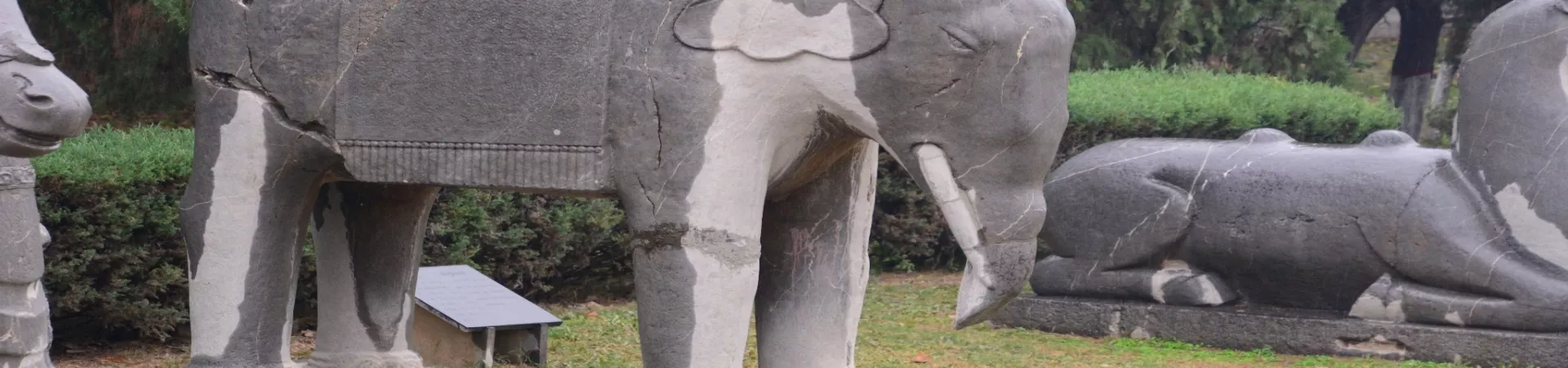
2.2. A Masterpiece in Stone The mausoleum is renowned for its monumental scale and, most notably, its exquisite and elaborate stone carvings. The site serves as an open-air museum of Ming dynasty sculptural art. Along the Sacred Way and surrounding the tomb structures, visitors encounter a majestic procession of stone figures, including civil and military officials, mythical beasts like qilin and lions, horses, and camels. Each statue is carved with remarkable detail and artistry, showcasing the skill of Ming craftsmen. These silent stone sentinels have guarded the prince for centuries and provide invaluable material for studying the architectural styles, burial customs, and artistic achievements of the late Ming period, particularly for regional feudal princes.
3. The Tale of Two Tombs: A Rare Architectural Romance
3.1. The Tomb of Secondary Consort Zhao One of the most captivating and unique aspects of Lu Wangling is the presence of the tomb for Consort Zhao, located about 140 meters west of the prince's own mound. Her story adds a deeply human and romantic dimension to the austere grandeur of the necropolis. Historically, Lady Zhao entered the prince's household as a "companion maid" and was only posthumously elevated to the rank of secondary consort. She was said to be intelligent, beautiful, and kind, enjoying exceptional favor from Prince Lu.
3.2. Defying Convention for Love What makes her tomb extraordinary is its scale and prominence. Despite her officially lower status, Prince Lu, upon her death thirteen years before his own, made the audacious decision to construct a mausoleum for her that rivaled royal standards. He "violated celestial regulations" by building a tomb that stood shoulder-to-shoulder with his own, sharing the same auspicious mountainous backdrop and waterways. In the strict hierarchical context of Chinese imperial burial traditions, where the spatial arrangement and size of tombs rigidly reflected rank, this act was profoundly unconventional. The parallel placement of the two tombs symbolizes a lasting companionship that transcended even the rigid etiquette of death, making it a rare and poignant feature in the history of Chinese imperial mausoleums.
4. The Visitor Experience: Practical Information and Lasting Impressions
4.1. Navigating the Complex A visit to Lu Wangling is a journey that demands time. Most visitors find that exploring the vast grounds, appreciating the detailed stonework, and contemplating the history requires a minimum of three hours. The site is open year-round, with seasonal adjustments to hours: from 08:00 to 17:30 during the peak season and 08:30 to 17:00 during the off-season. The admission fee is set at 40 RMB. For the latest information or specific inquiries, visitors can contact the site at 0373-3981827.
4.2. An Enduring Allure For nearly four centuries, Lu Wangling has captivated all who visit. Its appeal is multifaceted: the serene, picturesque landscape integrated with the ancient architecture, the awe-inspiring and artistically supreme stone sculptures, and the layer of mysterious folklore and the touching legend of Prince Lu and Consort Zhao that permeates the atmosphere. Its powerful presence has inspired poets through the ages, with classical verses praising its secluded majesty, noting that even the famed tombs of Qin and Han emperors "could not match the profound sentiment found here." Today, it continues to draw travelers from across the world, not just as a historical site, but as a testament to art, power, and an enduring human story etched in stone and landscape.